




Understanding Why Do Mice Chew Wires And How To Prevent It
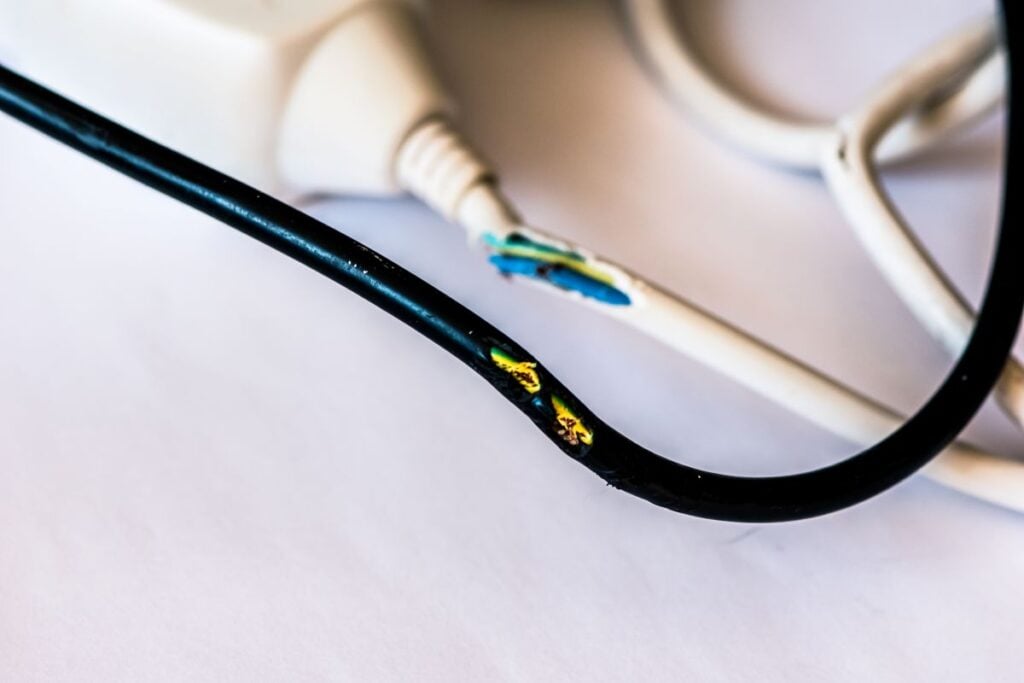
Many homeowners ask why do mice chew wires after discovering damaged insulation, flickering lights, or unexplained electrical issues. Wire chewing is one of the most dangerous behaviors associated with mice because it can lead to power outages, appliance failure, and serious fire hazards. Understanding why mice chew wires and how to prevent it helps homeowners protect both their property and their family.
- Natural behavior: Chewing is essential for mouse survival.
- Hidden danger: Wire damage often goes unnoticed until problems arise.
- Fire risk: Exposed wiring significantly increases fire hazards.
If you suspect rodent activity in your home, this guide explains the causes of wire chewing and what homeowners in Appleton, WI, and surrounding areas can do to stop it.
Why Mice Chew On Objects In The First Place
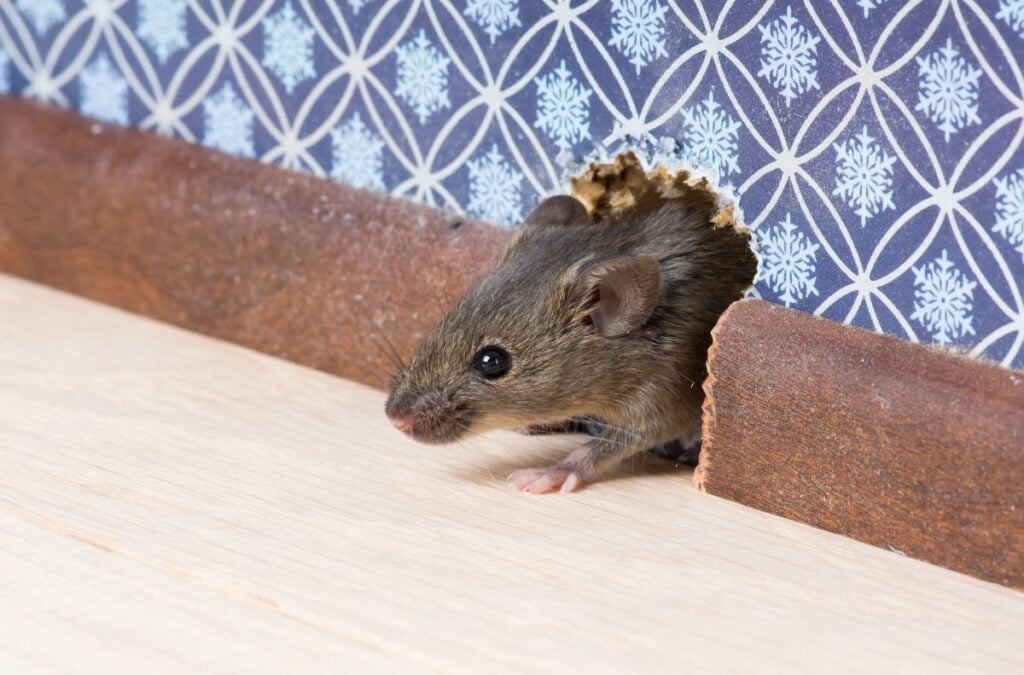
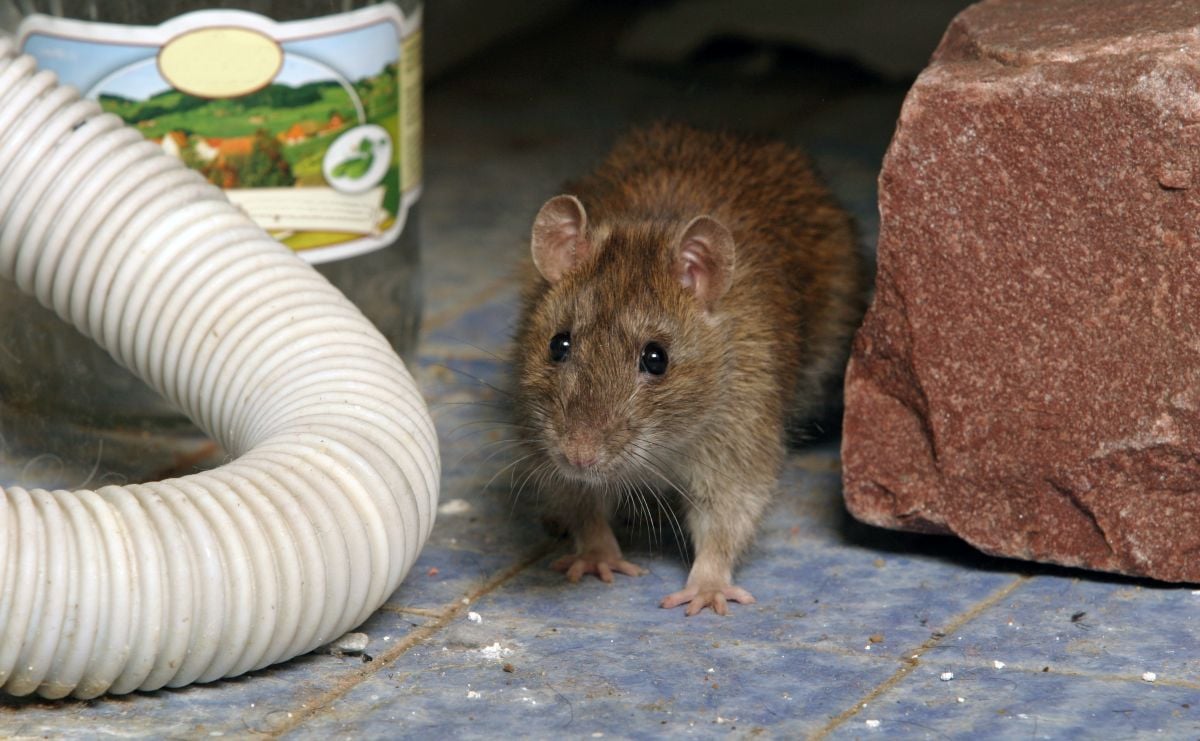
Chewing is not optional for mice. Their teeth grow continuously throughout their lives, which means they must gnaw on hard materials to keep them worn down. Without constant chewing, their teeth would overgrow and prevent them from eating properly.
Homes provide endless chewing opportunities, including wood, plastic, drywall, and electrical wiring. Wires are especially vulnerable because they are often hidden, undisturbed, and easy for mice to access inside walls and attics.
What Drives Chewing Behavior
- Constant tooth growth: Teeth never stop growing.
- Instinctive behavior: Chewing is a biological necessity.
- Stress relief: Gnawing helps mice cope with environmental stress.
- Exploration: Mice chew to investigate their surroundings.
This behavior makes wire damage a common and recurring issue in infested homes.
Why Electrical Wires Are A Major Target
Electrical wires are particularly attractive to mice for several reasons. The soft plastic or rubber insulation is easy to chew through, and wires are often located in quiet, protected areas where mice feel safe.
Additionally, wiring routes often overlap with nesting locations such as wall voids, basements, and attics. Once mice settle into these areas, wire damage can escalate quickly.
Why Wires Are Vulnerable
- Soft insulation: Easier to chew than metal or concrete.
- Hidden placement: Low human traffic reduces disturbance.
- Warmth: Electrical systems generate heat.
- Proximity to nests: Wires often run through nesting areas.
This combination makes wiring one of the most commonly damaged household components.
The Dangers Of Mice Chewing Electrical Wires
Wire chewing is more than a nuisance. It creates serious safety risks that can affect the entire household. Many homeowners do not realize wires have been damaged until a major issue occurs.
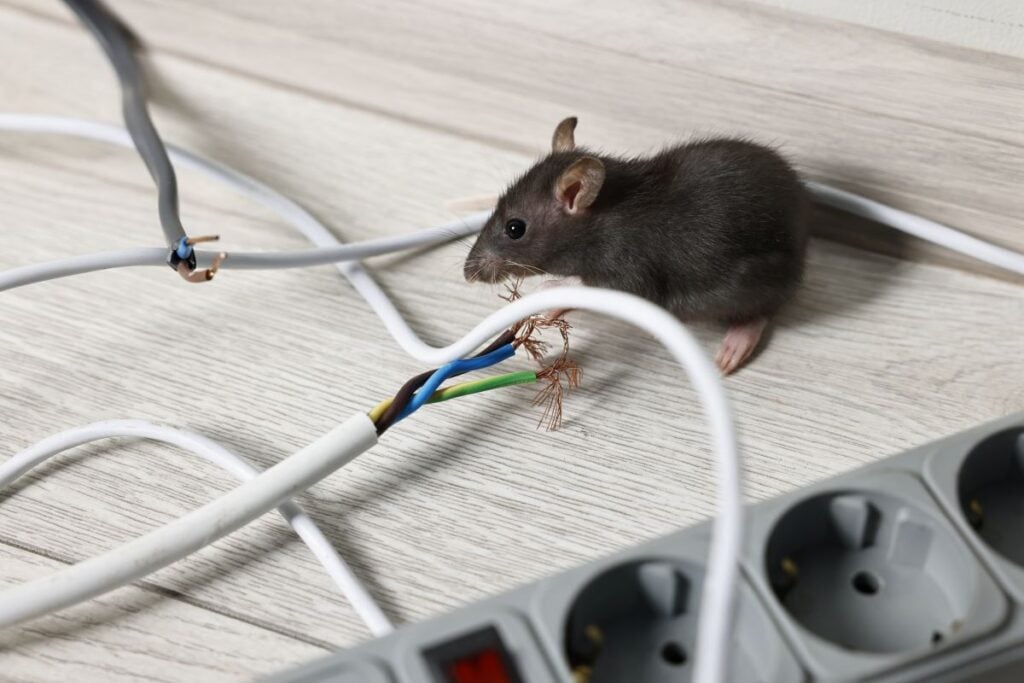
Exposed wires increase the risk of electrical shorts, sparks, and fires. According to fire safety experts, rodents are a known cause of residential electrical fires.
Risks Associated With Wire Damage
- Fire hazards: Sparks can ignite insulation or framing.
- Power outages: Damaged wiring disrupts electrical systems.
- Appliance failure: Electrical surges damage devices.
- Costly repairs: Rewiring can be expensive and invasive.
These risks make early intervention critical.
Common Areas Where Mice Chew Wires
Mice typically chew wires in places that are hidden and rarely inspected. Knowing where to look helps homeowners identify problems before they become dangerous.
These areas often overlap with mouse nesting and travel paths.
High-Risk Locations
- Attics: Wiring runs through insulation and rafters.
- Basements: Utility lines and junction boxes are exposed.
- Wall voids: Hidden wiring routes are easily accessed.
- Behind appliances: Warm, undisturbed areas attract mice.
Homes in Appleton, WI, and surrounding areas frequently experience wire damage during colder months when mice move indoors.
5 Reasons Mice Chew Electrical Wires
This section explains the most common reasons mice target wiring, along with the implications for homeowners. Each reason highlights a different risk factor tied to mouse behavior.
1. Tooth Maintenance And Growth Control
Mice chew wires simply to keep their teeth from overgrowing. Electrical wiring offers a convenient and readily available chewing surface inside homes.
- Biological necessity: Chewing prevents dental overgrowth.
- Frequent gnawing: Wires may be chewed repeatedly.
- Unavoidable behavior: Mice will chew regardless of food availability.
2. Nest Building And Expansion
As mice build and expand nests, they chew through surrounding materials, including wires that block pathways or occupy nesting space.
- Nest access: Wires obstruct movement between areas.
- Material clearing: Chewing removes obstacles.
- Ongoing damage: Nest expansion increases wire exposure.
3. Exploration And Territory Marking
Mice explore new areas constantly and chew to investigate unfamiliar objects. Wire chewing may occur simply because wires are in their path.
- Exploratory behavior: Chewing helps mice navigate.
- Scent marking: Gnawed areas help establish territory.
- Repeated activity: Paths are reused daily.
4. Stress And Environmental Pressure
Overcrowding, competition, and environmental stress can increase destructive behaviors. Wire chewing may intensify in heavily infested homes.
- High population density: More mice equals more damage.
- Resource competition: Stress leads to aggressive gnawing.
- Escalation risk: Damage increases over time.
5. Warmth And Shelter Seeking
Electrical systems produce heat, especially near appliances and panels. Mice are drawn to these warm areas and chew nearby wires.
- Heat attraction: Warm wiring areas feel safe.
- Winter behavior: Chewing increases during colder months.
- Hidden nesting: Warm zones support nesting activity.
These factors explain why wire damage often worsens quickly once mice move in.
Signs Mice May Be Chewing Wires
Electrical wire damage is often hidden, but certain warning signs suggest a problem. Recognizing these clues early helps prevent serious safety issues.
Ignoring these signs can lead to extensive damage.
Warning Signs To Watch For
- Flickering lights: Indicates damaged wiring.
- Burning smells: Suggests overheating wires.
- Tripped breakers: Repeated electrical interruptions.
- Scratching sounds: Mice moving near wiring.
Any of these signs should be addressed immediately.
How To Prevent Mice From Chewing Wires
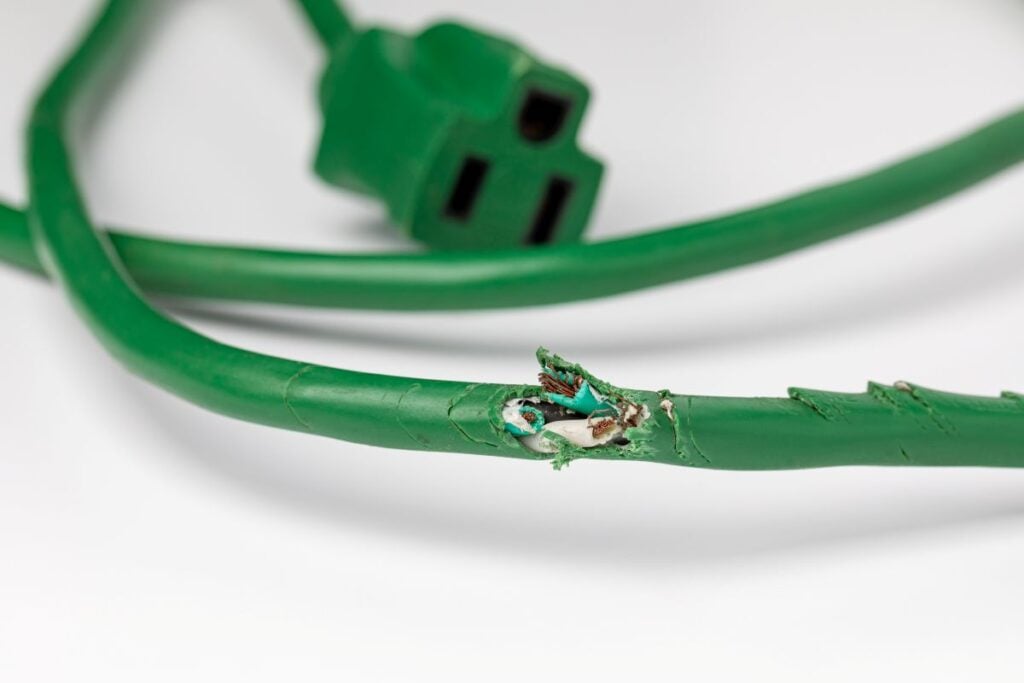
Preventing wire damage requires eliminating mice and making homes less accessible to them. Simply repairing wires without addressing the infestation will not stop future damage.
A combination of exclusion, sanitation, and monitoring works best.
Prevention Strategies
- Seal entry points: Close gaps around foundations and utilities.
- Reduce nesting sites: Remove clutter from basements and attics.
- Store food properly: Use airtight containers.
- Inspect wiring: Check vulnerable areas regularly.
Prevention protects both your electrical system and your home.
Why DIY Fixes Often Fall Short
Many homeowners attempt to repair damaged wires or set traps without addressing how mice entered the home. This approach often leads to repeated damage.
Without proper exclusion and population control, mice continue chewing new wires. Professional intervention ensures the problem is solved completely.
Limitations Of DIY Approaches
- Temporary fixes: Do not stop chewing behavior.
- Missed nests: Hidden populations remain active.
- Safety risks: Electrical repairs require expertise.
- Recurring damage: New wires are targeted again.
Professional help eliminates these risks.
When To Call A Professional
Wire chewing is a serious safety issue that should not be ignored. Professional pest control addresses both the infestation and the structural vulnerabilities that allow mice inside.
Experts identify entry points, remove mice safely, and provide long-term prevention solutions.
Benefits Of Professional Mouse Control
- Thorough inspection: Identifies nests and access points.
- Safe removal: Reduces health and fire risks.
- Exclusion services: Prevents future infestations.
- Long-term protection: Stops repeat wire damage.
Prompt Action Pest Control provides expert mouse control services for homeowners in Appleton, WI, and surrounding areas.
Protect Your Home From Hidden Electrical Dangers
Understanding why do mice chew wires highlights how quickly a small rodent problem can become a serious safety hazard. Wire chewing puts homes at risk for fires, electrical failure, and costly repairs if left unaddressed.
If you suspect mice are damaging wires or notice warning signs, contact Prompt Action Pest Control today. Our team in Appleton, WI, and surrounding areas will inspect your home, eliminate mice safely, and implement proven solutions designed to protect your electrical system and your family long-term.
Recent Articles

Protect What Matters Most