




Why Are There So Many Spiders In My House? (9 Main Reasons)

Many homeowners start asking “why are there so many spiders in my house” after noticing frequent webs, repeated sightings, or spiders appearing in multiple rooms. While one or two spiders can be normal, a noticeable increase usually means something inside the home is attracting or supporting them. Understanding the underlying reasons helps homeowners fix the problem at its source instead of relying on short-term solutions.
- Repeated sightings: Ongoing spider activity often signals a deeper issue.
- Hidden causes: Spiders thrive where conditions support insects and shelter.
- Prevention focus: Long-term control starts with identifying the cause.
If spider activity seems to be increasing indoors, this guide explains what homeowners in Minneapolis, MN, and surrounding areas should know.
Why Spiders Are Drawn Indoors
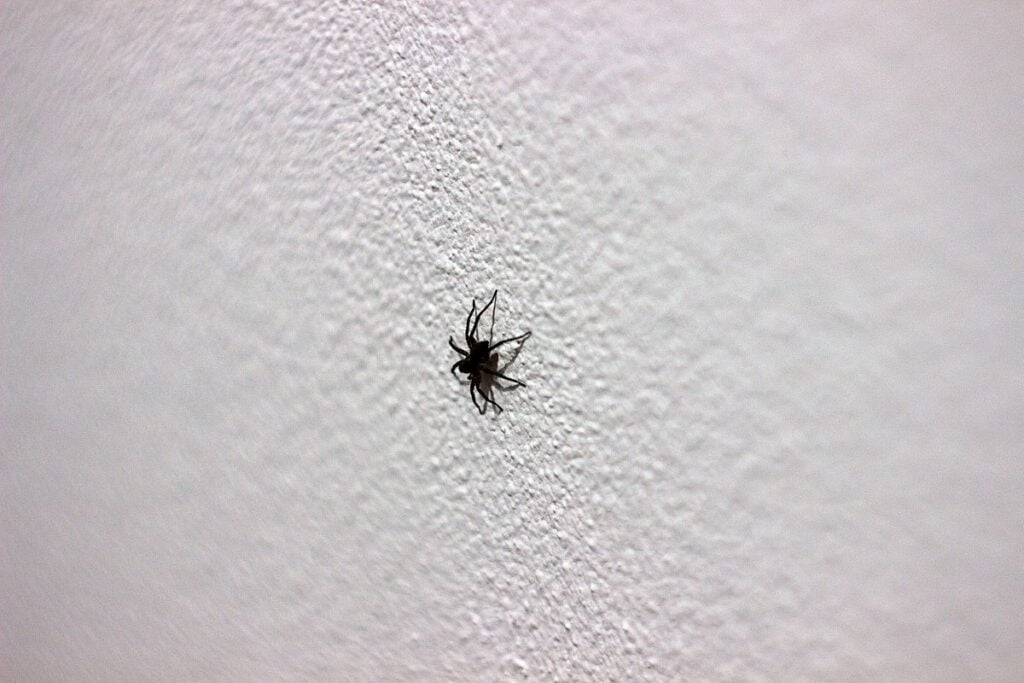
Spiders enter homes primarily in search of food, shelter, and stable temperatures. Once inside, they settle in areas with low disturbance and consistent access to insects. Homes naturally provide these conditions, especially when small entry points or pest issues exist.
Spiders also tend to remain indoors once conditions suit them. Without addressing the underlying factors, spider populations can slowly increase over time.
What Makes Homes Attractive To Spiders
- Abundant insects: Spiders follow their food source.
- Stable climate: Indoor temperatures support year-round survival.
- Undisturbed spaces: Storage areas allow webs to remain intact.
- Easy access: Small gaps let spiders enter unnoticed.
These factors often work together to support spider activity.
Where Spiders Commonly Hide In Homes
Spiders prefer quiet, dark, and low-traffic areas where they can build webs without disturbance. These hiding spots often go unnoticed until webs or spiders become visible.
Knowing where spiders hide helps homeowners target cleaning and inspection efforts more effectively.
Common Indoor Spider Locations
- Basements and crawl spaces: Dark and humid environments.
- Attics: Low disturbance and abundant hiding spots.
- Garages: Easy access from outdoors.
- Corners and ceilings: Ideal web-building areas.
These locations often support long-term spider presence.

9 Main Reasons You’re Seeing So Many Spiders
This section explains the most common reasons spider populations grow indoors. Each reason highlights a condition that supports spider activity.
1. Increased Insect Activity Indoors
Spiders follow insects wherever they are abundant. If flies, ants, or other pests are present, spiders will not be far behind.
- Food availability: Insects sustain spider populations.
- Hidden prey: Insects thrive in walls and basements.
- Population growth: More food leads to more spiders.
Controlling insects is key to reducing spiders.
2. Seasonal Changes Drive Spiders Inside
Spiders often move indoors during fall and early winter as outdoor temperatures drop. Seasonal shifts push them toward warmer environments.
- Cold avoidance: Spiders seek warmth.
- Fall migration: Indoor sightings increase seasonally.
- Shelter seeking: Homes offer protection from weather.
Seasonal entry is one of the most common triggers.
3. Open Entry Points Around The Home
Spiders enter through cracks, gaps, vents, and unsealed openings. Even tiny gaps provide access.
- Foundation cracks: Easy ground-level entry.
- Window gaps: Poor seals allow access.
- Vents and siding: Common spider pathways.
Entry points allow continuous re-entry.
4. Cluttered Storage Areas
Clutter creates ideal hiding places where spiders can build webs undisturbed. Storage rooms, basements, and garages are common problem areas.
- Low disturbance: Webs remain intact longer.
- More hiding spots: Boxes and items protect spiders.
- Egg survival: Clutter shelters egg sacs.
Decluttering reduces nesting opportunities.
5. High Indoor Humidity Or Moisture
Moist environments attract insects, which then attract spiders. Basements and crawl spaces are especially prone to moisture-related issues.
- Insect attraction: Moisture supports prey.
- Comfortable habitat: Spiders prefer humid areas.
- Hidden buildup: Moisture issues often go unnoticed.
Moisture control helps reduce spider activity.
6. Exterior Lighting Near Entry Points
Outdoor lights attract insects at night, which then draw spiders closer to doors and windows. Over time, spiders follow insects inside.
- Insect concentration: Lights increase prey availability.
- Entry proximity: Spiders linger near access points.
- Repeat activity: Nightly insect attraction continues the cycle.
Lighting placement plays a role in spider presence.
7. Landscaping Too Close To The Home
Overgrown plants and shrubs create pathways for spiders to move indoors. Vegetation near foundations provides shelter and access.
- Easy travel routes: Plants connect outdoors to indoors.
- Hidden access: Vegetation conceals entry points.
- Increased activity: Spiders nest near structures.
Landscaping maintenance reduces entry opportunities.
8. Lack Of Regular Cleaning In Low-Traffic Areas
Spiders prefer areas that are rarely cleaned or disturbed. When webs remain intact, populations grow quietly.
- Web survival: Undisturbed webs catch more prey.
- Egg protection: Egg sacs go unnoticed.
- Long-term presence: Activity increases over time.
Routine cleaning disrupts spider activity.
9. Existing Pest Problems Elsewhere In The Home
Spiders are often a symptom of a larger pest issue. When insects thrive, spiders naturally follow.
- Indicator species: Spiders signal insect activity.
- Hidden infestations: Insects may live inside walls.
- Multi-pest risk: Problems often overlap.
Addressing the root pest issue reduces spiders.
Are Spiders A Sign Of A Bigger Problem?
In many cases, yes. While spiders themselves may not be dangerous, they often indicate that other pests are present. Ignoring spider activity can allow insect infestations to worsen unnoticed.
Identifying why spiders are present helps prevent larger pest issues from developing.
What Spider Activity Can Signal
- Insect infestations: Food sources are nearby.
- Moisture issues: Conditions favor pests.
- Structural gaps: Entry points need sealing.
- Maintenance needs: Cleaning or repairs required.
Spiders act as an early warning system.
Health And Comfort Concerns
Even harmless spiders can affect comfort and peace of mind. Webs, debris, and repeated sightings cause stress for many homeowners.
In rare cases, medically significant spiders may be present, making professional identification important.
Common Concerns
- Anxiety: Fear caused by frequent sightings.
- Bites: Rare but possible.
- Air quality: Webs and debris collect dust.
- Egg sacs: Sudden population increases.
Reducing spiders improves overall comfort.
How To Reduce Spider Activity Long-Term
Long-term spider control focuses on prevention rather than removal alone. Addressing insects, sealing entry points, and improving maintenance delivers the best results.
Consistency is critical for lasting control.
Effective Prevention Strategies
- Seal gaps: Close cracks and openings.
- Reduce insects: Address other pest issues promptly.
- Control moisture: Fix leaks and reduce humidity.
- Maintain cleanliness: Focus on low-traffic areas.
These steps significantly reduce spider presence.
When To Call A Professional
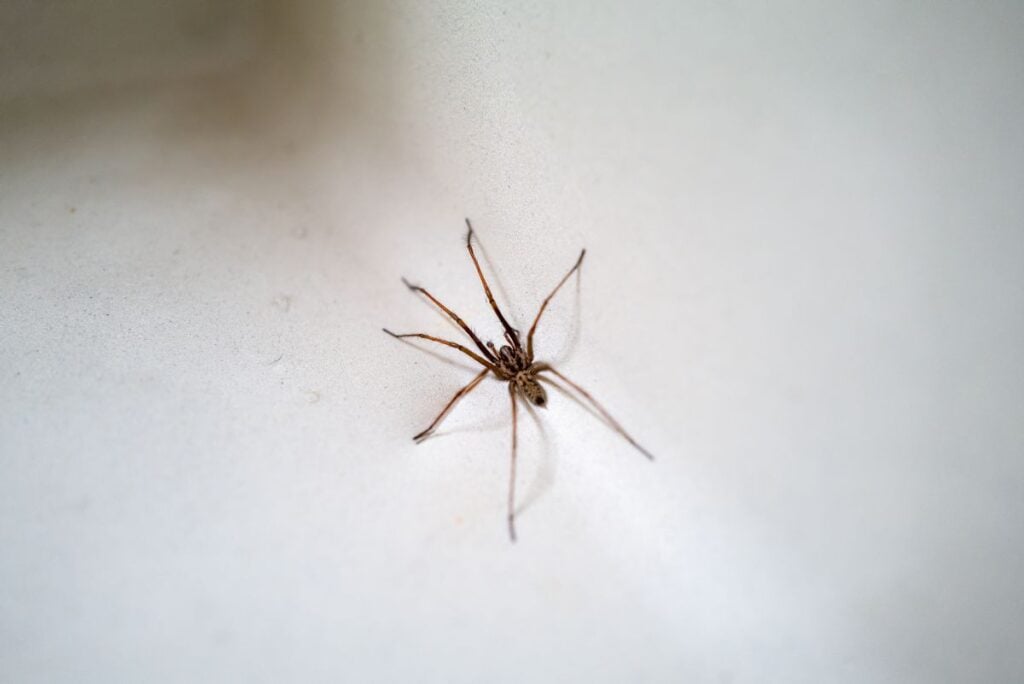
If spiders continue appearing despite preventive efforts, professional help is recommended. Experts can identify spider species, locate entry points, and address underlying pest issues.
Professional services provide targeted solutions and long-term protection.
Benefits Of Professional Spider Control
- Accurate identification: Confirms species and risk level.
- Root-cause solutions: Addresses why spiders are present.
- Targeted treatments: Focus on high-activity areas.
- Long-term results: Reduces repeat infestations.
Prompt Action Pest Control provides expert spider control services for homeowners in Minneapolis, MN, and surrounding areas.
Understanding The Cause Is The Key To Control
Knowing why are there so many spiders in my house helps homeowners move beyond frustration and toward effective, long-term solutions. Spiders are usually a symptom of conditions that can be corrected with the right approach.
If spider activity is becoming overwhelming, contact Prompt Action Pest Control today. Our team in Minneapolis, MN, and surrounding areas will inspect your home, identify the cause of the problem, and implement proven solutions to keep your home comfortable and spider-free.
Recent Articles

Protect What Matters Most