




Where Do Bugs Go In The Winter? (8 Places To Check)

Understanding “where do bugs go in the winter” helps homeowners prepare for cold-weather pest activity and prevent unwelcome invaders from settling inside. Many insects enter a dormant state, while others seek warmth and shelter in homes, garages, and hidden structural spaces. Knowing the most common places bugs hide during winter allows you to take preventive steps before an infestation begins.
- Seasonal habits: Many insects overwinter indoors when temperatures drop.
- Hidden spaces: Bugs often choose warm, quiet areas with minimal disturbance.
- Prevention value: Identifying winter hiding spots helps reduce spring infestations.
If you’re noticing unusual insect activity as temperatures fall, this guide covers the most common winter hideouts and how to stop pests from settling in your home in Duluth, MN, and surrounding areas.
Why Bugs Move Indoors During Winter
Most insects cannot survive freezing temperatures on their own, so they seek protective environments that offer warmth, moisture, and shelter. When natural hiding places become scarce, bugs often turn to human structures, slipping indoors through small cracks and gaps. Understanding these behavior patterns helps you detect early winter activity and make targeted improvements around your home.
Key Reasons Insects Seek Shelter
- Temperature drop: Cold weather pushes pests to look for warmth.
- Limited food: Reduced outdoor food sources encourage indoor migration.
- Moisture needs: Bugs gravitate to humid or damp indoor environments.
- Safe spaces: Undisturbed areas provide protection from predators and weather.
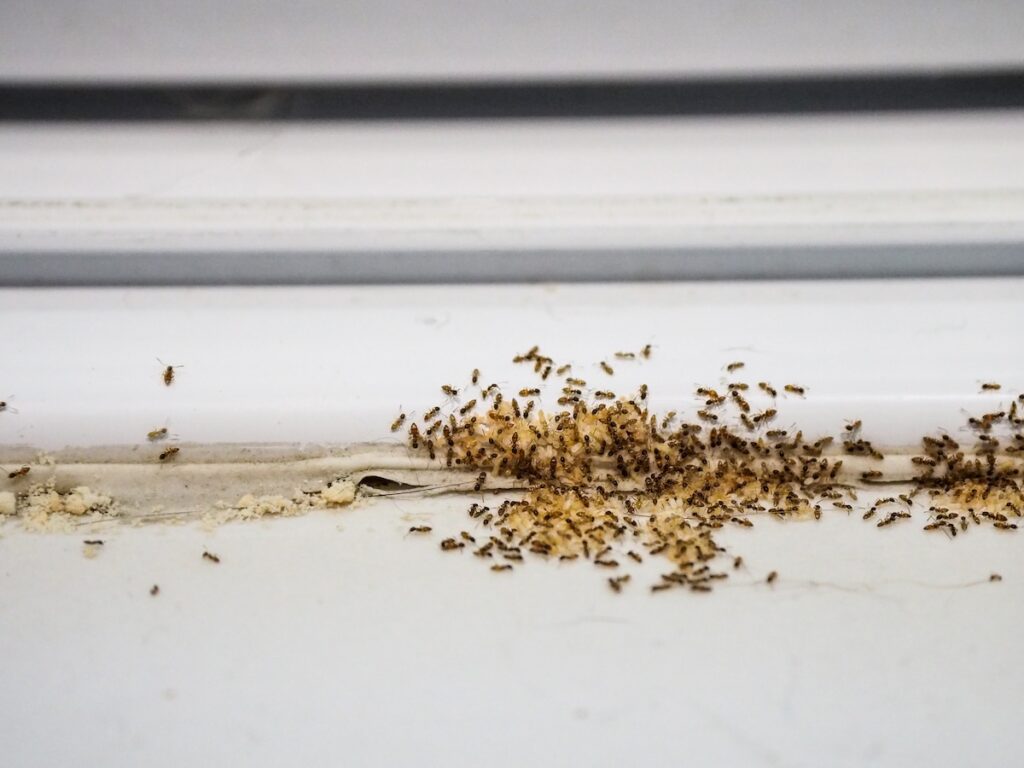
These factors make residential properties an ideal overwintering location for many insects, from spiders to boxelder bugs.
How Insects Survive Cold Temperatures
Insects use several biological strategies to endure winter conditions. Some enter diapause, a hibernation-like state that slows metabolic functions. Others produce natural antifreeze proteins to withstand freezing. Meanwhile, the most troublesome pests migrate indoors, searching for heat sources and steady environments. Knowing these survival methods helps explain why some insects disappear outdoors yet show up around your home.
Survival Strategies Bugs Use
- Diapause: A suspended state that conserves energy.
- Migration: Movement indoors or underground.
- Antifreeze compounds: Chemicals that protect against freezing temperatures.
- Communal sheltering: Grouping together for shared warmth.
Pests that move indoors during this period often stay concealed until spring.
8 Places Bugs Hide During The Winter
Insects choose specific areas inside and around your home that offer warmth, protection, and consistent humidity. Homeowners who regularly inspect these spaces reduce the risk of late-winter or early-spring infestations.
1. Attics
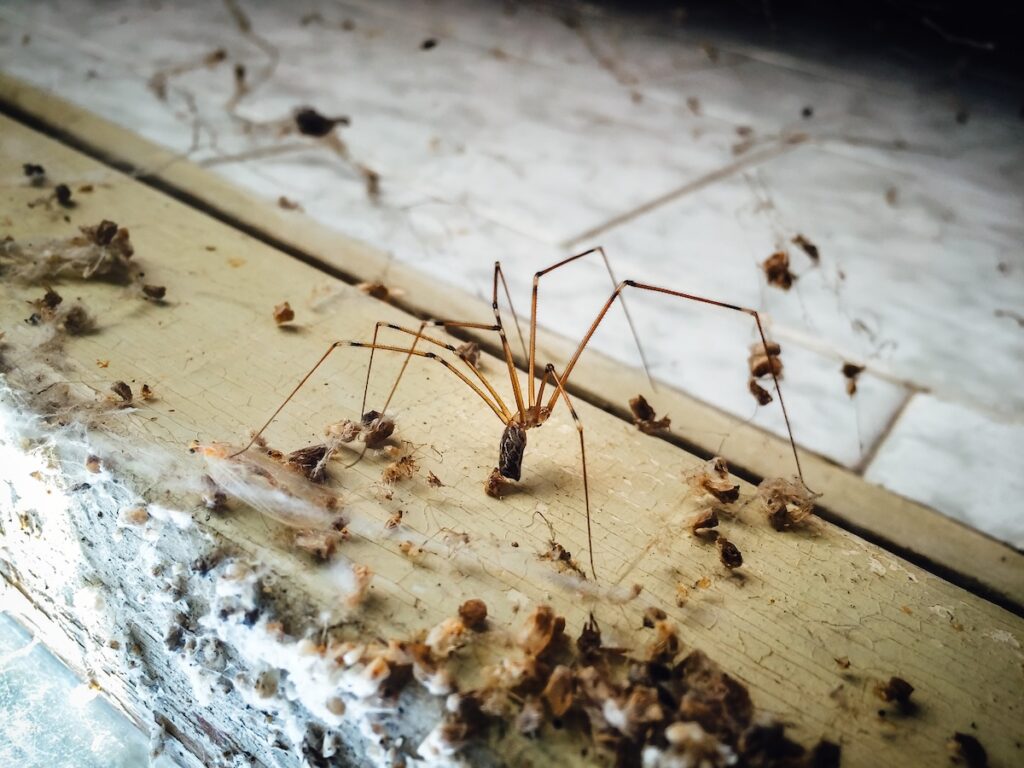
Attics offer quiet, warm, and dry environments that attract many overwintering insects.
- Common pests: Cluster flies, lady beetles, and wasps.
- Access points: Roof vents, soffits, and gaps around shingles.
- Why they gather: Stable temperature and limited disturbance.
Proper sealing and insulation help prevent insects from accessing upper-level spaces.
2. Basements
Basements are naturally cool and humid, making them ideal for pests needing moisture.
- Common pests: Spiders, silverfish, and centipedes.
- Access points: Foundation cracks and poorly sealed windows.
- Why they gather: Consistent humidity and access to water sources.
Using dehumidifiers and sealing gaps can reduce winter insect activity in basements.
3. Garages
Attached garages offer warmth and easy access to the main living areas.
- Common pests: Spiders, ants, and beetles.
- Access points: Gaps under garage doors and wall cracks.
- Why they gather: Shelter from cold temperatures and proximity to the home interior.
Maintaining door seals and clearing clutter helps limit pest activity in garages.
4. Wall Voids
Wall voids provide a hidden, insulated environment that keeps insects warm.
- Common pests: Boxelder bugs, stink bugs, and carpenter ants.
- Access points: Gaps around siding, window trim, and utility lines.
- Why they gather: Quiet, undisturbed areas ideal for hiding.
Because these spaces are enclosed, infestations often grow unnoticed until spring.
5. Crawl Spaces
Crawl spaces offer darkness, soil moisture, and protection from freezing weather.
- Common pests: Spiders, beetles, termites, and ants.
- Access points: Foundation gaps and vents without screens.
- Why they gather: Access to moisture and structural wood.
Encapsulating or insulating crawl spaces helps prevent winter invasions.

6. Firewood Piles
Outdoor firewood piles attract insects that hitchhike into homes when the wood is brought indoors.
- Common pests: Beetles, ants, and spiders.
- Access points: Direct contact with the ground or stacked against siding.
- Why they gather: Natural wood provides warmth and nesting material.
Store firewood at least several feet away from your home to reduce pest entry.
7. Under Sinks And Appliances
Indoor moisture sources attract insects looking for reliable humidity.
- Common pests: Cockroaches, ants, and silverfish.
- Access points: Plumbing openings or gaps around cabinets.
- Why they gather: Water access and protective hiding spaces.
Fixing leaks and reducing moisture helps prevent winter pest buildup in kitchens and bathrooms.
8. Storage Areas And Clutter
Boxes, bags, and stacked items create the perfect place for insects to hide unnoticed.
- Common pests: Spiders, pantry pests, and beetles.
- Access points: Gaps in closets, basements, or attics.
- Why they gather: Low activity and abundant hiding spots.
Keeping storage areas organized helps remove pest-friendly environments.
Top Ways To Keep Bugs Out All Winter
There are several effective strategies that help reduce winter pest invasions. This section explains practical steps every homeowner can take to limit bug access and discourage overwintering in your home. These changes are especially useful when combined with regular inspections.
Prevention Steps Every Home Needs
- Seal cracks: Caulk gaps around siding, windows, and foundations.
- Control moisture: Use dehumidifiers in damp areas.
- Improve ventilation: Keep air moving in attics and crawl spaces.
- Store firewood properly: Keep it elevated and away from exterior walls.
These methods work together to make your home less appealing to pests searching for shelter.
When To Call A Professional During Winter Months
Some winter pest problems become too large or too hidden for homeowners to solve alone. Boxelder bugs, cluster flies, wasps, ants, and beetles often gather inside walls or deep within attics, making DIY methods less effective. Professionals provide targeted treatments and exclusion services that reduce long-term pest activity.
Benefits Of Professional Pest Control
- Thorough inspection: Identifies hidden entry points and nesting sites.
- Safe treatments: Uses specialized techniques for overwintering pests.
- Long-term solutions: Prevents spring emergence and future invasions.
- Expert sealing: Technicians close structural gaps to block access.
Prompt Action Pest Control offers seasonal pest solutions tailored to homeowners in Duluth, MN, and surrounding areas. Our winter programs provide proactive protection throughout the coldest months.

Staying Pest-Free As Seasons Change
As temperatures begin to rise, overwintering insects will emerge from their hiding places. Preparing your home year-round ensures you stay ahead of this seasonal shift. Maintaining preventive habits helps reduce infestations and keeps your indoor environment comfortable.
Long-Term Maintenance Tips
- Inspect seasonally: Check common hiding spots before winter and spring.
- Maintain landscaping: Trim bushes and remove yard debris.
- Monitor moisture: Keep humidity levels low in basements and attics.
- Partner with professionals: Annual services reduce long-term pest risks.
Staying consistent with your pest prevention routine ensures fewer surprises as weather changes.
Know Where Bugs Hide And Prevent Winter Infestations
Understanding where do bugs go in the winter helps you protect your home from hidden pest activity. By focusing on common sheltering spots and taking preventative measures, you can dramatically reduce the number of insects entering your home during colder months.
If you’re seeing winter pest activity or want to prevent bugs from settling in the first place, contact Prompt Action Pest Control today. Our experts in Duluth, MN, and surrounding areas will inspect, treat, and protect your home with safe, effective solutions designed for year-round comfort.
Recent Articles

Protect What Matters Most