




When Do Squirrels Have Babies? & How To Prep Your Home
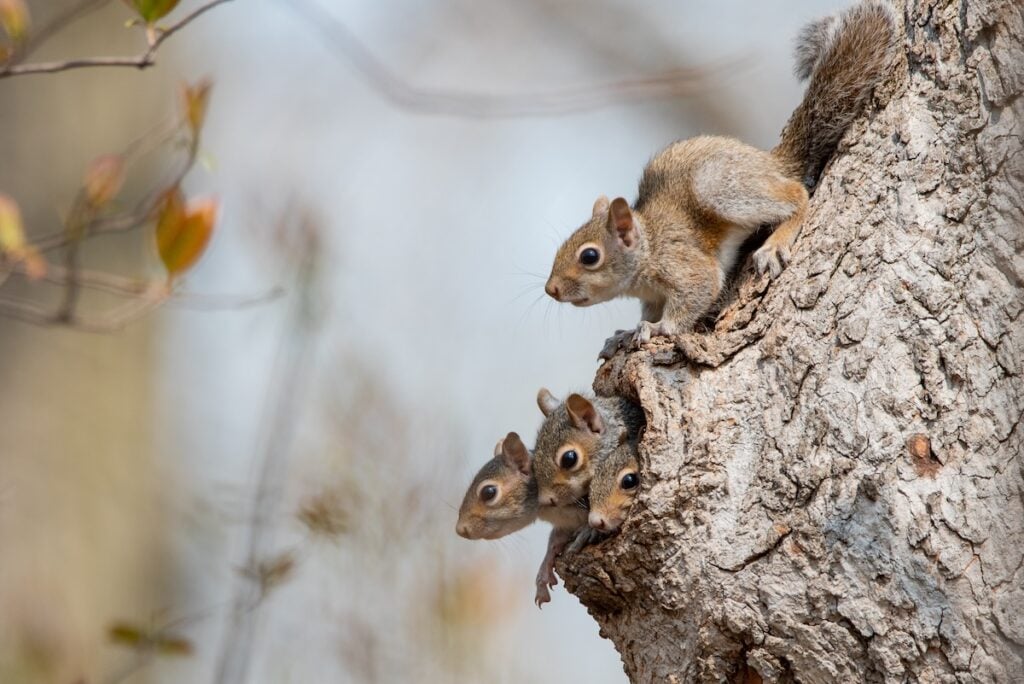
Many homeowners ask, “When do squirrels have babies?” after hearing scratching noises or noticing increased squirrel activity near their roofline. Squirrel breeding seasons are predictable, and knowing when they occur helps homeowners prevent unwanted nesting inside attics, walls, and soffits. Preparing your home ahead of time is one of the most effective ways to avoid costly damage and stressful wildlife issues.
- Seasonal breeding: Squirrels reproduce during specific times of the year.
- Indoor nesting risk: Attics and wall voids are prime nesting spots.
- Early prevention: Preparation reduces the chance of infestations.
If you’ve noticed squirrel activity around your home, this guide explains what to expect and how to protect your property in St. Paul, MN, and surrounding areas.
Understanding Squirrel Reproduction Cycles
Squirrels are highly adaptable animals with well-defined breeding patterns. Most species reproduce more than once per year, which increases the likelihood of baby squirrels being born inside or near homes. These cycles are influenced by temperature, food availability, and shelter options.
When breeding season begins, squirrels become more active and persistent as they search for secure nesting locations. Homes offer warmth, safety, and protection from predators, making them especially attractive during this time.
Why Breeding Season Matters For Homeowners
- Increased activity: Squirrels move more frequently across roofs and yards.
- Persistent entry attempts: Females seek safe nesting sites.
- Higher damage risk: Chewing and scratching increase during nesting.
- Noise issues: Baby squirrels create noticeable sounds indoors.
Recognizing these patterns helps homeowners take action before problems escalate.
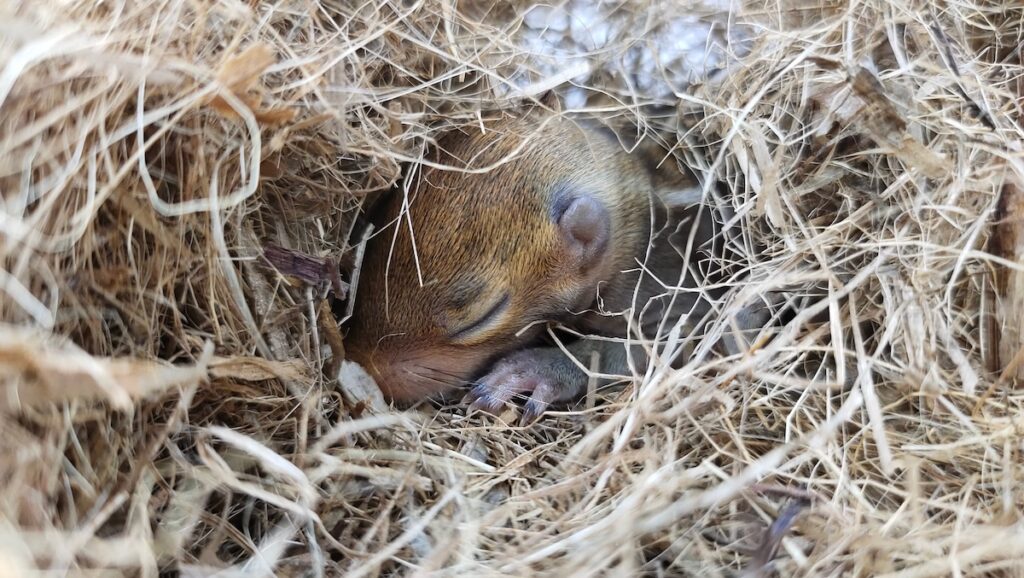
When Squirrels Typically Have Babies
Squirrels usually have two breeding seasons each year. While timing can vary slightly based on climate and species, most squirrel births follow a consistent schedule. Understanding this timing helps homeowners know when vigilance is most important.
Baby squirrels remain dependent on their mother for several weeks, meaning nests stay active for extended periods. During this time, adult squirrels aggressively protect nesting areas.
Common Squirrel Breeding Seasons
- Late winter to early spring: January through March.
- Late summer: July through September.
- Gestation period: About 44 days.
- Litter size: Typically 2 to 6 babies.
Homes in St. Paul, MN, and surrounding areas often experience increased squirrel activity during these windows.
Where Squirrels Prefer To Nest
Squirrels choose nesting locations that offer warmth, safety, and minimal disturbance. Natural nests are built in trees, but when those options are limited, squirrels turn to man-made structures.
Attics, soffits, and wall voids closely mimic tree cavities, making them ideal substitutes. Once inside, squirrels gather insulation and other materials to build nests.
Common Nesting Locations
- Attics: Warm, quiet, and well-insulated.
- Soffits: Easy access near rooflines.
- Wall voids: Hidden spaces protected from predators.
- Chimneys: Enclosed vertical spaces that retain heat.
These nesting sites often remain hidden until damage or noise becomes obvious.
Why Baby Squirrels Inside Homes Are A Problem
While baby squirrels may seem harmless, their presence inside a home creates serious risks. Adult squirrels cause damage while entering and exiting, and nesting materials can compromise insulation and ventilation.
In addition, removing baby squirrels improperly can be dangerous and may violate wildlife regulations. Timing and professional handling are critical.
Risks Associated With Indoor Nesting
- Structural damage: Chewed wood and fascia boards.
- Fire hazards: Damaged electrical wiring.
- Insulation loss: Reduced energy efficiency.
- Aggressive behavior: Mothers defend nests forcefully.
Addressing the issue early prevents long-term problems and expensive repairs.
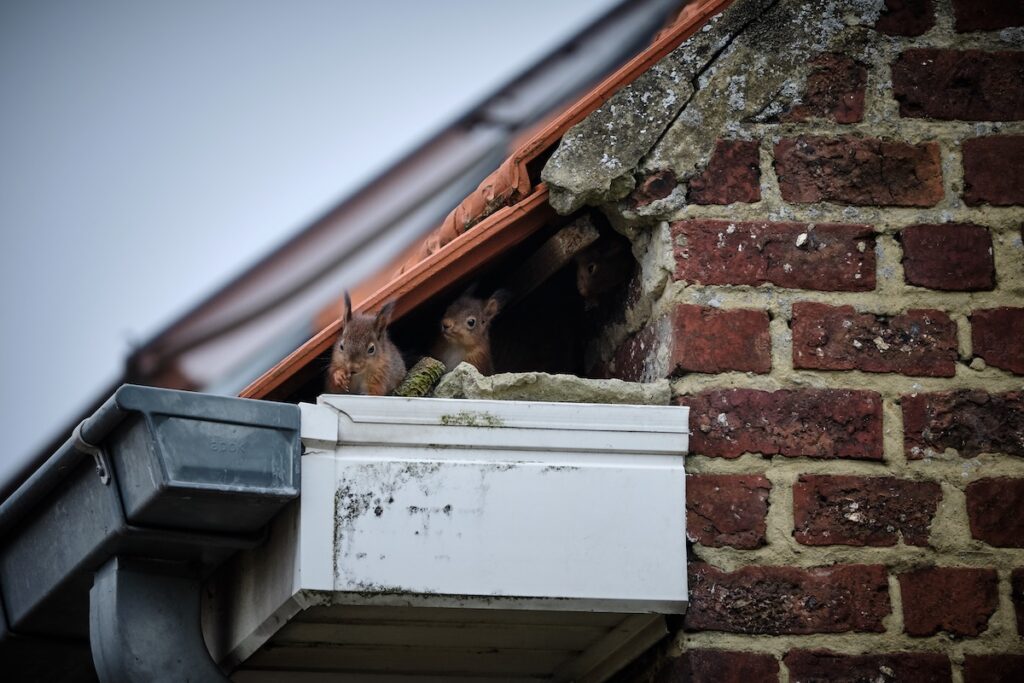
Signs Squirrels May Be Nesting In Your Home
Squirrel nesting activity often produces noticeable warning signs. Identifying these early helps prevent a small issue from becoming a major infestation.
These signs are most common during breeding seasons when females are actively caring for young.
Common Warning Signs
- Scratching or scurrying sounds: Especially in ceilings or walls.
- Daytime noise: Baby squirrels are active during daylight hours.
- Visible roof damage: Chewed vents or soffits.
- Frequent squirrel sightings: Repeated trips to the same area.
Homeowners in St. Paul, MN, and surrounding areas should act quickly when these signs appear.
4 Key Times To Prep Your Home For Squirrel Babies
Preparation is most effective when done before breeding season begins. This section outlines the most important times to inspect and secure your home.
- Late Fall: This is the ideal time to seal entry points before winter breeding begins. Repairs completed now prevent squirrels from nesting in late winter.
- Early Winter: Inspect rooflines and attic spaces for damage caused by fall activity. Addressing small issues early prevents nesting attempts.
- Late Spring: After spring babies have left nests, repairs and exclusion work can be completed safely and effectively.
- Early Summer: Preparing ahead of the late-summer breeding season reduces the chance of a second infestation.
Staying proactive during these times significantly lowers infestation risk.
How To Prep Your Home Before Baby Season
Home preparation focuses on exclusion, maintenance, and reducing attractants. These steps make your property less appealing to nesting squirrels.
Preparation should always be completed before babies are present to avoid trapping young animals inside.
Effective Preparation Steps
- Seal roof gaps: Repair soffits, fascia, and roofline openings.
- Install vent covers: Use chew-resistant materials.
- Trim branches: Keep trees away from the roof.
- Secure chimneys: Install chimney caps.
Consistent maintenance greatly reduces nesting opportunities.
What Not To Do During Squirrel Baby Season
Attempting DIY removal during baby season can lead to serious problems. Trapping adults without addressing babies often causes property damage and aggressive behavior.
Improper removal can also result in odor issues if babies are left behind. Professional guidance is essential during this period.
Common Mistakes To Avoid
- Blocking entry points too early: Babies may still be inside.
- Using traps improperly: Mothers will attempt re-entry aggressively.
- Handling babies: This can be dangerous and ineffective.
- Ignoring noise: Waiting allows damage to worsen.
Avoiding these mistakes protects both your home and the animals.
When To Call A Professional
Squirrel baby season requires careful handling and timing. Professionals understand wildlife behavior, legal considerations, and safe removal practices.
Expert help ensures babies are removed humanely and entry points are sealed correctly.
Benefits Of Professional Squirrel Control
- Safe removal: Protects homeowners from bites and falls.
- Proper timing: Ensures babies are not trapped inside.
- Damage assessment: Identifies and repairs entry points.
- Long-term prevention: Stops repeat infestations.
Prompt Action Pest Control provides expert squirrel control services for homeowners in St. Paul, MN, and surrounding areas.
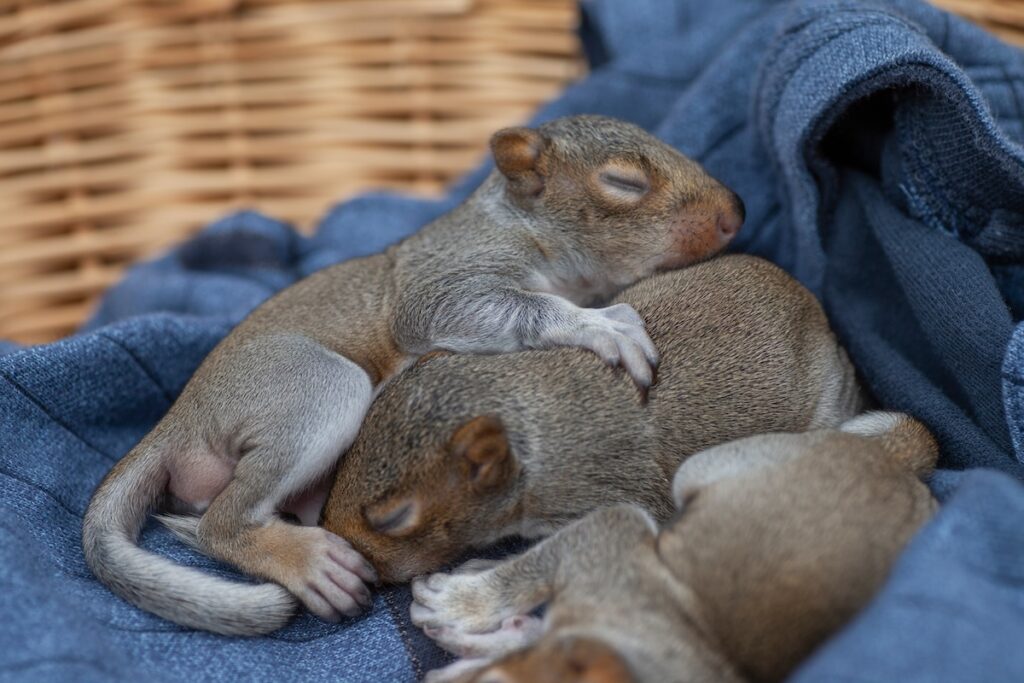
Prepare Early To Avoid Squirrel Problems
Knowing when do squirrels have babies allows homeowners to take proactive steps before nesting begins. By preparing your home early and responding quickly to warning signs, you can prevent damage, noise, and stress associated with squirrel infestations.
If you’ve noticed squirrel activity or want to secure your home before baby season, contact Prompt Action Pest Control today. Our team in St. Paul, MN, and surrounding areas will inspect your home, provide safe solutions, and help keep your property protected year-round.
Recent Articles

Protect What Matters Most