




What Animal Is Digging Holes In My Yard (7 Most Common Pests)
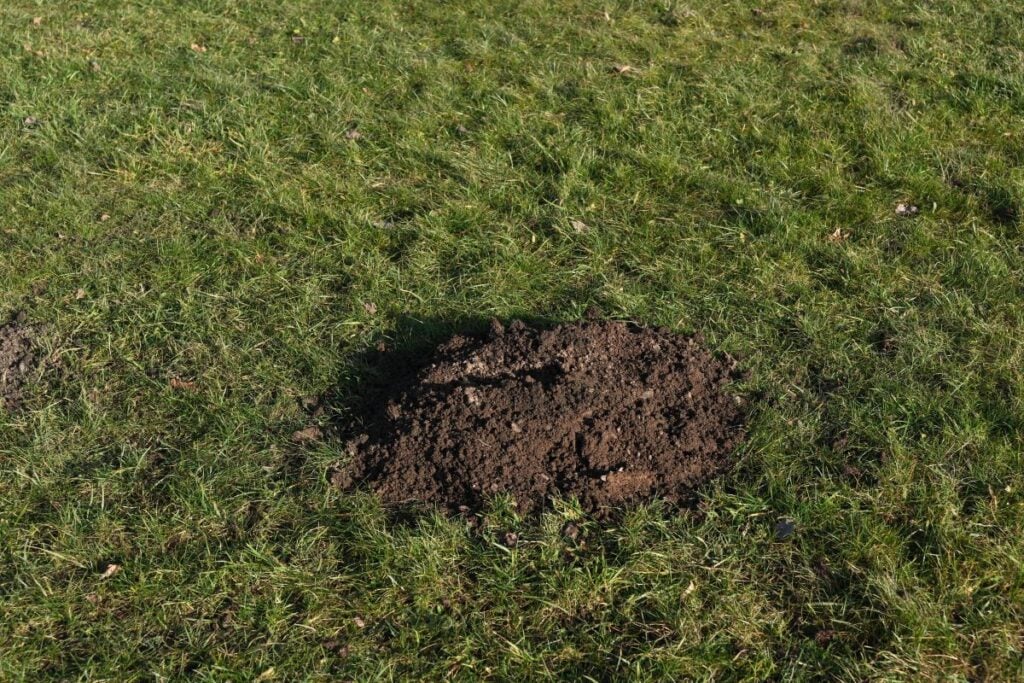
Many homeowners start asking “what animal is digging holes in my yard” after noticing sudden patches of disturbed soil, small mounds, or tunnels appearing overnight. Yard digging is one of the most common signs of wildlife activity, and different animals leave very different clues behind. Identifying the cause correctly helps homeowners choose the right solution and prevent further lawn and landscape damage.
- Multiple culprits: Several animals dig for food or shelter.
- Different hole patterns: Size and placement reveal important clues.
- Early action matters: Digging often worsens if ignored.
If you are seeing unexplained holes in your lawn, this guide explains the most common digging pests and what homeowners in White Bear Lake, MN, and surrounding areas should know.
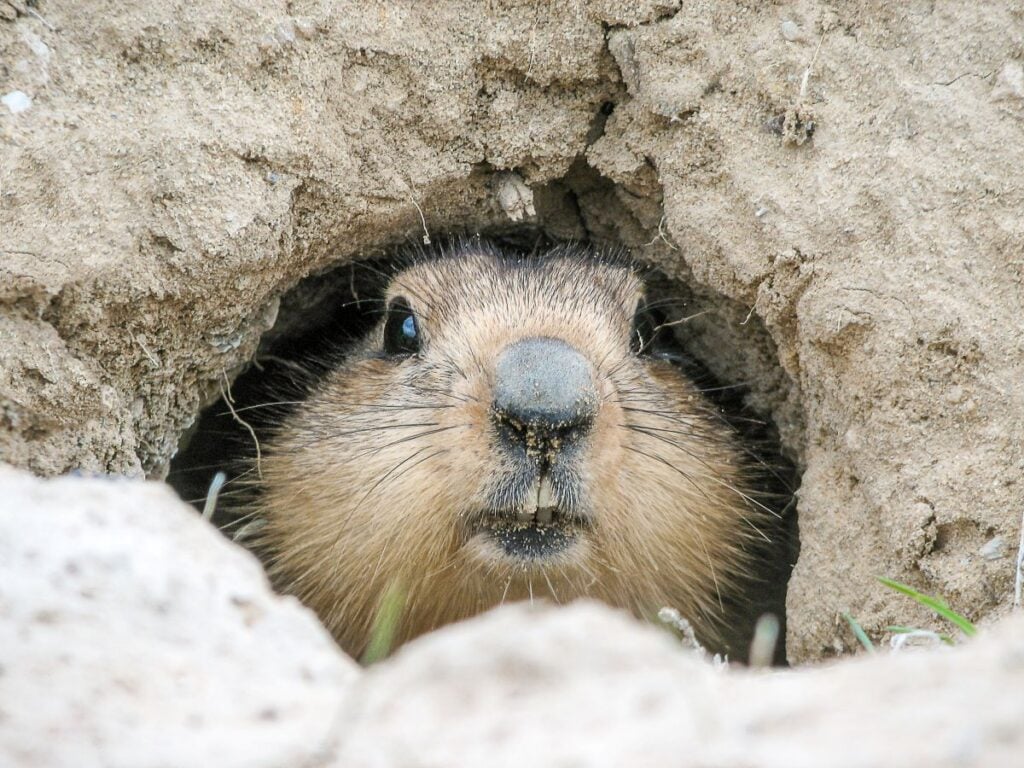
Why Animals Dig Holes In Yards
Animals dig for survival. Most yard damage is caused by pests searching for food, creating shelter, or establishing nesting areas. Lawns and gardens are especially attractive because they offer soft soil and access to insects, roots, and underground warmth.
Some animals dig shallow holes while others create deep tunnels or extensive burrow systems. Understanding the motivation behind digging helps narrow down which animal is responsible.
Common Reasons For Yard Digging
- Food sources: Grubs, insects, and worms attract pests.
- Shelter: Burrows provide protection from weather and predators.
- Nesting: Some animals dig to raise young.
- Travel routes: Tunnels create safe pathways underground.
Recognizing these patterns makes identification easier.
Why Identifying The Digging Animal Matters
Not all digging pests should be handled the same way. Some animals are protected, while others require specific removal techniques. Treating the wrong pest can waste time and allow damage to continue.
Accurate identification also helps prevent repeat problems. Addressing food sources, entry points, and habitat issues depends on knowing what animal is responsible.
Benefits Of Proper Identification
- Correct solution: Targets the real cause of damage.
- Reduced lawn repair: Prevents ongoing digging.
- Legal compliance: Avoids improper removal methods.
- Long-term prevention: Stops repeat infestations.
Knowing the culprit leads to better results.
7 Most Common Animals That Dig Holes In Yards
This section outlines the most frequent digging pests homeowners encounter. Each animal leaves distinct signs that help identify the source of the damage.
1. Moles
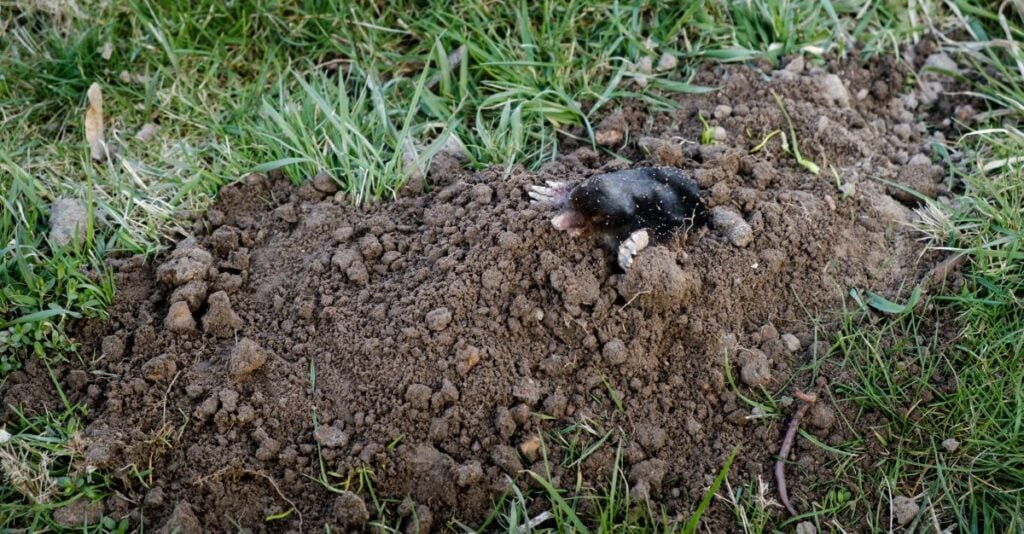
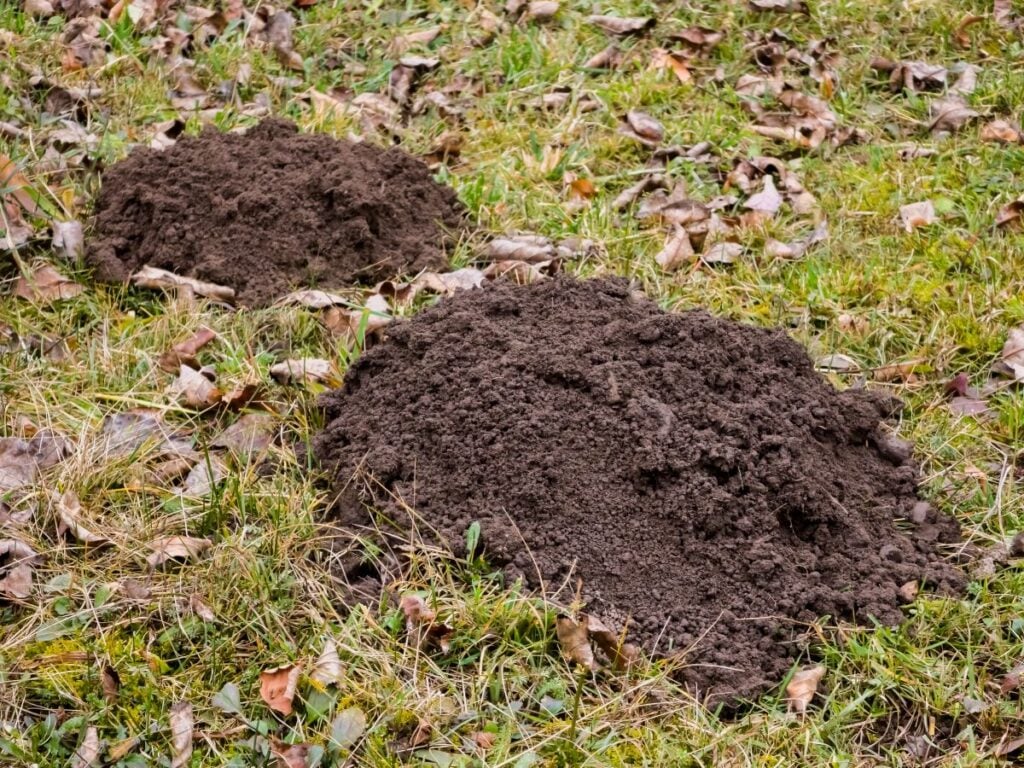
Moles are one of the most common causes of yard damage. They create raised ridges and mounds as they tunnel underground searching for insects.
Their digging is usually continuous and widespread, often affecting large sections of lawn.
- Tunnel systems: Long raised ridges under the grass.
- Soil mounds: Cone-shaped piles near tunnel entrances.
- Primary food source: Grubs, worms, and insects.
Mole activity often increases during spring and fall.
2. Voles
Voles create shallow surface tunnels and small openings in grassy areas. Their damage is often mistaken for mole activity but looks slightly different.
They feed on roots and vegetation and prefer areas with thick ground cover.
- Surface runways: Visible paths in grass.
- Small holes: Openings about two inches wide.
- Plant damage: Chewed roots and stems.
Voles are especially active during cooler months.
3. Chipmunks
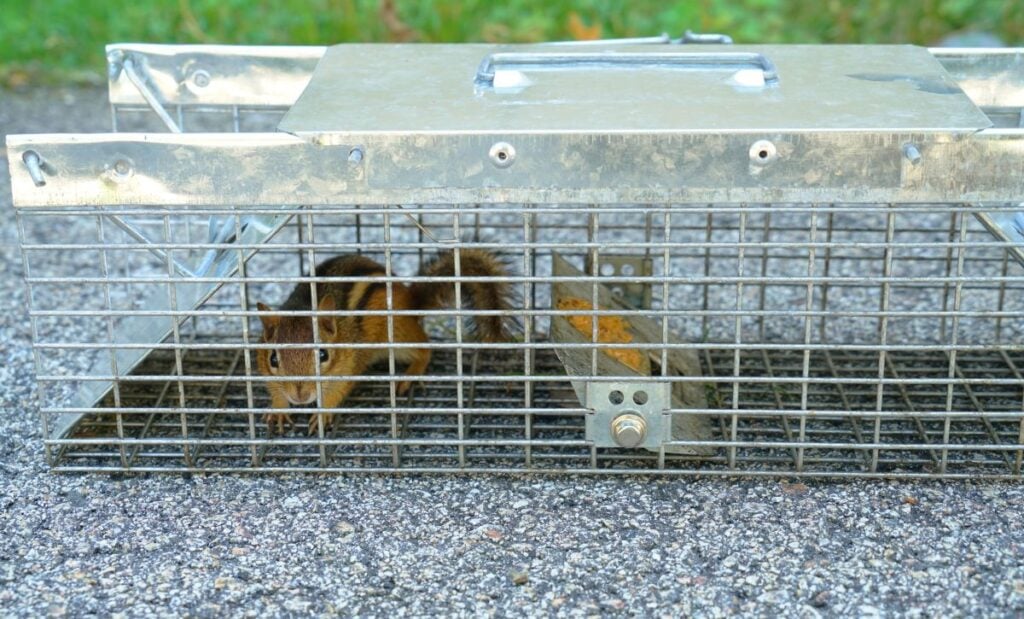
Chipmunks dig small, clean holes without noticeable dirt piles. They use these burrows for shelter and food storage.
Their holes are often found near foundations, patios, or retaining walls.
- Neat openings: No soil piled around holes.
- Multiple entrances: Extensive underground networks.
- Food caching: Burrows store seeds and nuts.
Chipmunk holes may appear harmless but can undermine structures.
4. Groundhogs
Groundhogs create large burrow entrances with visible dirt piles. Their tunnels can extend several feet underground and cause serious structural issues.
They often dig near sheds, decks, and foundations.
- Large holes: Typically 10 to 12 inches wide.
- Dirt mounds: Piles near entrances.
- Structural risk: Burrows weaken foundations.
Groundhog damage should be addressed quickly.
5. Skunks
Skunks dig shallow cone-shaped holes while searching for grubs and insects. These holes often appear scattered across the yard.
Unlike burrowing animals, skunks are surface diggers rather than tunnel builders.
- Small divots: Shallow holes in turf.
- Overnight damage: Appears suddenly.
- Strong odor risk: Defensive spray concerns.
Skunk digging often signals a grub problem.
6. Raccoons
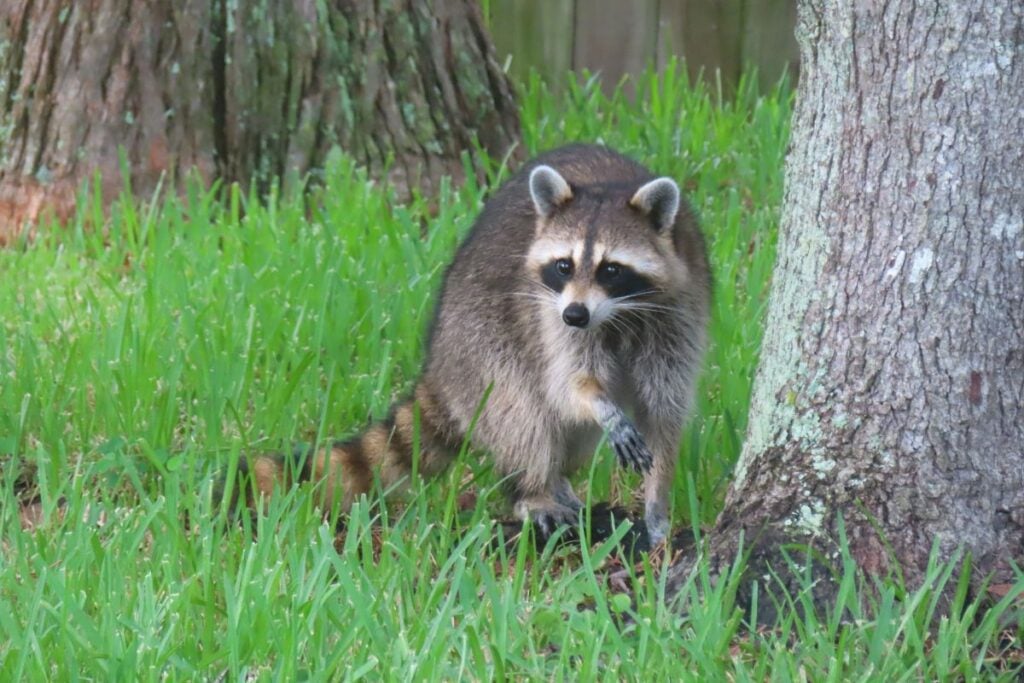
Raccoons are strong diggers and can cause extensive lawn damage in a single night. They roll back sections of sod while hunting for insects.
Their damage is usually widespread and messy.
- Torn turf: Grass peeled back.
- Large disturbed areas: Multiple digging spots.
- Nocturnal activity: Damage appears overnight.
Raccoon digging can escalate quickly.
7. Squirrels
Squirrels dig small holes while burying or retrieving food. These holes are usually shallow and scattered throughout the yard.
Although less destructive than other pests, repeated digging can still damage lawns and gardens.
- Small shallow holes: Often a few inches deep.
- Random pattern: Spread across the yard.
- Seasonal activity: Increased in fall and spring.
Squirrel digging often accompanies other wildlife activity.
How Hole Size And Pattern Help With Identification
The size, depth, and placement of holes provide valuable clues. Some animals dig deep tunnels, while others only disturb the surface.
Looking at patterns rather than individual holes helps narrow down the cause.
What To Look For
- Wide entrances: Groundhogs or raccoons.
- Raised ridges: Moles or voles.
- Scattered divots: Skunks or squirrels.
- Clean holes: Chipmunks.
Pattern recognition speeds up identification.
Risks Associated With Yard-Digging Animals
Beyond cosmetic damage, digging pests create real risks. Burrows can undermine sidewalks, patios, and foundations. Some animals also carry parasites or diseases.
Ignoring the problem often leads to worsening damage over time.
Common Risks
- Structural damage: Weakening of soil and foundations.
- Trip hazards: Uneven ground and holes.
- Pest attraction: Digging often signals insect infestations.
- Health concerns: Wildlife parasites and droppings.
Prompt action reduces these risks.
Why DIY Solutions Often Fail
Many homeowners try repellents or temporary fixes, but these rarely address the root cause. Animals return if food sources and shelter remain available.
Improper DIY attempts can also push animals deeper underground or onto neighboring properties.
Limitations Of DIY Approaches
- Temporary results: Animals adapt quickly.
- Missed burrows: Hidden tunnels remain active.
- Recurring damage: Digging resumes.
- Safety concerns: Wildlife can become aggressive.
Professional solutions focus on long-term prevention.
How To Prevent Future Yard Digging
Effective prevention targets both the animals and the conditions attracting them. This often includes habitat modification and pest control.
Consistent monitoring helps catch activity early.
Prevention Tips
- Reduce insects: Treat grub problems.
- Seal access points: Block burrow entrances properly.
- Maintain landscaping: Trim vegetation and remove debris.
- Monitor activity: Watch for new holes.
These steps reduce repeat damage.
When To Call A Professional
If digging continues or worsens, professional help is recommended. Wildlife specialists can identify the animal, remove it safely, and prevent future damage.
Professionals also ensure humane and legal handling.
Benefits Of Professional Wildlife Control
- Accurate identification: Confirms the digging pest.
- Safe removal: Protects people and property.
- Damage assessment: Identifies structural risks.
- Long-term prevention: Stops repeat digging.
Prompt Action Pest Control provides expert wildlife control services for homeowners in White Bear Lake, MN, and surrounding areas.
Identify The Digger To Protect Your Yard
Understanding what animal is digging holes in my yard is the first step toward protecting your lawn and preventing long-term damage. Different animals leave different clues, and correct identification leads to effective solutions.
If yard digging is becoming a problem, contact Prompt Action Pest Control today. Our team in White Bear Lake, MN, and surrounding areas will inspect your property, identify the culprit, and implement proven solutions to restore and protect your yard.
Recent Articles

Protect What Matters Most