




6 Common Types Of Wasps In Wisconsin (& How To Identify Them)
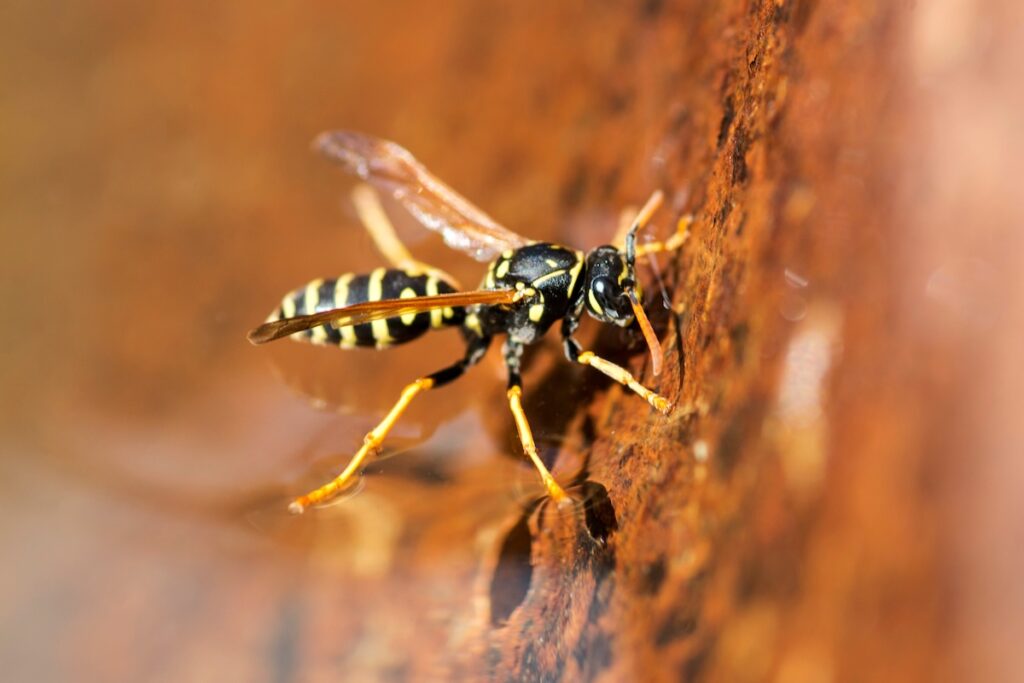
Learning to recognize different types of wasps can help you protect your family and property from stings and unwanted nests. While many wasps play a beneficial role in controlling other insects, some species can become aggressive when disturbed or when nesting near homes. Knowing how to identify them makes it easier to choose safe and effective control methods.
- Seasonal presence: Wasps are most active from late spring through early fall.
- Varied behavior: Some species are solitary, while others live in large colonies.
- Safety concerns: Aggressive wasps can sting multiple times and pose health risks.
If you’ve seen wasps buzzing around your home or garden, identifying the species is the first step to understanding the threat. Here’s a closer look at the most common wasps found in Stevens Point, WI, and surrounding areas—and how to recognize each one.
Identifying The Most Common Types Of Wasps
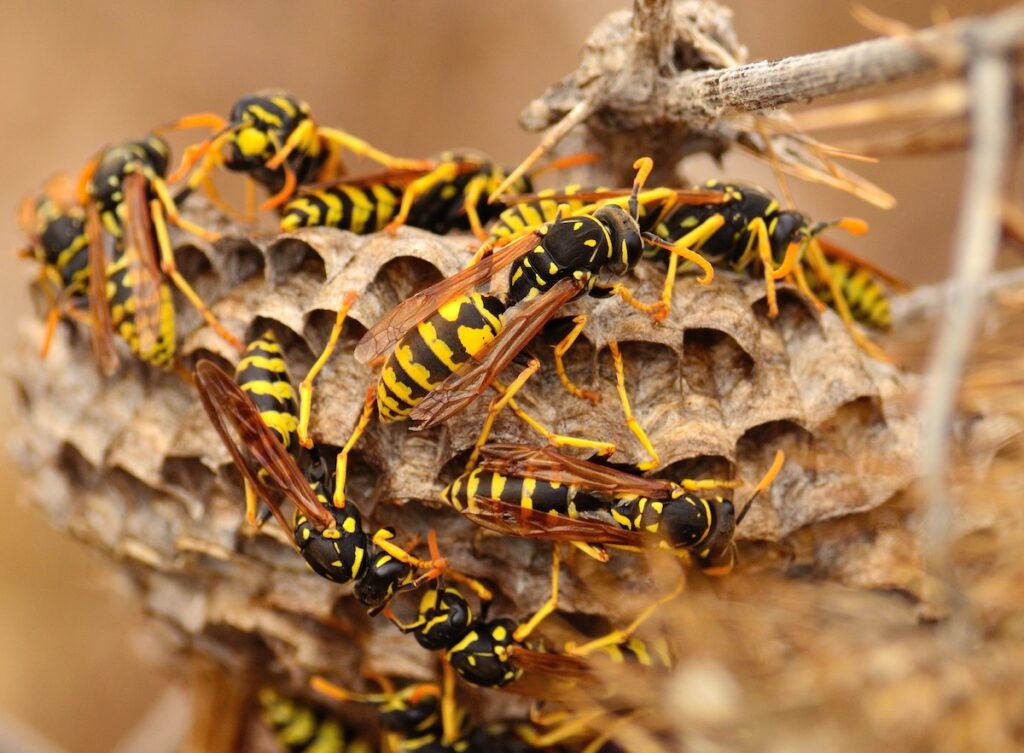
Wisconsin is home to several species of wasps, each with unique nesting habits, behavior patterns, and risk levels. Some are solitary and harmless, while others live in large colonies that can become aggressive when disturbed. Understanding these differences helps you determine whether you can manage the problem yourself or need professional pest control.
1. Yellowjackets
Yellowjackets are one of the most recognizable wasp species due to their bright black-and-yellow striped bodies. They’re highly territorial and known for their aggressive behavior, especially in late summer.
- Appearance: Smooth, shiny body with alternating yellow and black bands.
- Size: About half an inch long.
- Behavior: Builds nests in the ground, wall voids, or eaves.
Yellowjackets are scavengers and often hover around picnic areas, garbage cans, and outdoor events. Because they can sting multiple times, disturbing their nests is risky without professional help.
2. Paper Wasps
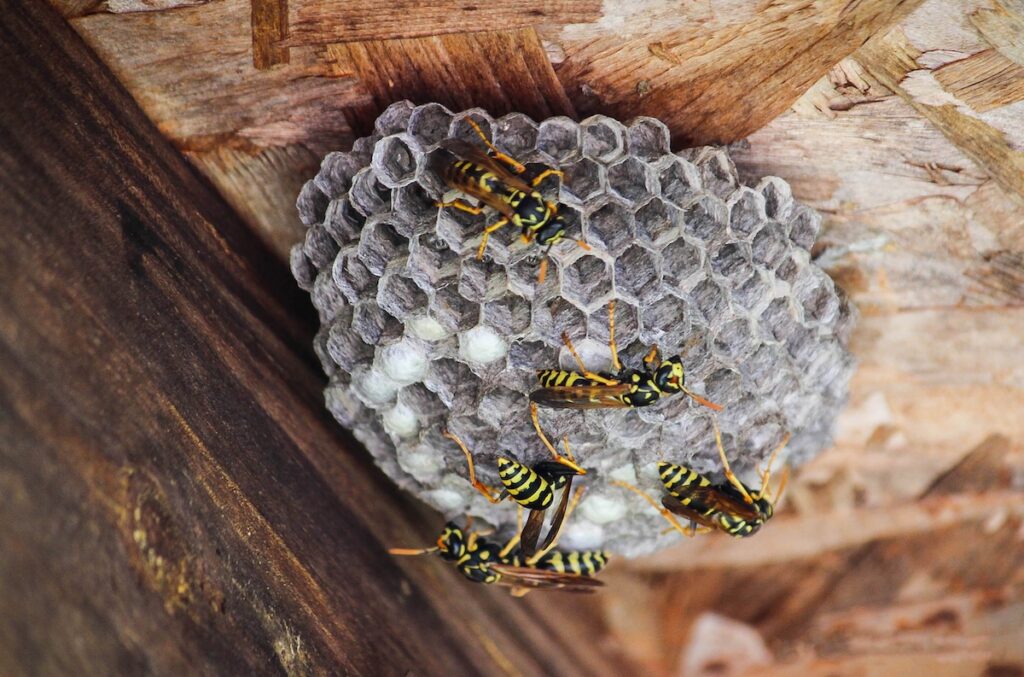
Paper wasps are named for their papery nests made from chewed wood fibers. These wasps are less aggressive than yellowjackets but will defend their nests if threatened.
- Appearance: Slender body with long legs that dangle in flight.
- Coloration: Brown with yellow or red markings, depending on the species.
- Nesting sites: Found under decks, porch ceilings, or roof overhangs.
Paper wasp nests are open and umbrella-shaped, usually containing a dozen or more hexagonal cells. If you spot one near entryways, it’s best to have it removed before the colony grows.
3. Bald-Faced Hornets
Despite their name, bald-faced hornets are actually a type of yellowjacket. They’re larger and build distinctive, enclosed nests high above the ground.
- Appearance: Black body with white markings on the face and thorax.
- Size: About three-quarters of an inch long.
- Nesting sites: Trees, shrubs, or under roof eaves.
Their nests resemble gray paper footballs and can house hundreds of hornets by late summer. Because bald-faced hornets aggressively defend their colonies, nest removal should always be handled by professionals.
4. Mud Daubers
Mud daubers are solitary wasps that rarely sting humans. They’re beneficial predators that feed on spiders and other insects, helping naturally balance pest populations.
- Appearance: Long, thin body with a narrow “waist.”
- Coloration: Metallic blue-black or dull black with yellow markings.
- Nesting sites: Small mud tubes built under eaves, in garages, or sheds.
Mud daubers construct distinctive tube-shaped nests from mud and typically reuse the same areas each season. If you find their nests empty, the wasps have likely moved on and pose little threat.
5. Cicada Killers
Cicada killers are one of the largest wasps in Wisconsin, but their intimidating size often causes unnecessary alarm. These wasps are generally non-aggressive and focus on hunting cicadas rather than bothering humans.
- Appearance: Large (1.5 inches long) with brown and yellow bands.
- Behavior: Solitary diggers that create burrows in dry soil.
- Habitat: Prefer sunny, sandy areas such as lawns, driveways, and flowerbeds.
Females dig tunnels where they store paralyzed cicadas as food for their larvae. Although they may appear threatening, cicada killers rarely sting unless handled.
6. European Hornets
European hornets are one of the few true hornet species found in Wisconsin. They’re much larger than most wasps and can deliver painful stings when threatened.
- Appearance: Reddish-brown head with yellow and black-striped abdomen.
- Size: About one inch long.
- Nesting sites: Hollow trees, attics, or wall voids.
Unlike yellowjackets, European hornets can be active at night and are attracted to light. If you notice large wasps flying near outdoor lighting, you may be dealing with this species.
Why Proper Identification Matters
Different wasp species require different control approaches. For example, removing a ground nest calls for different techniques than handling aerial nests or solitary mud tubes. Identifying which species you’re dealing with prevents unnecessary risk and ensures the problem is handled correctly.
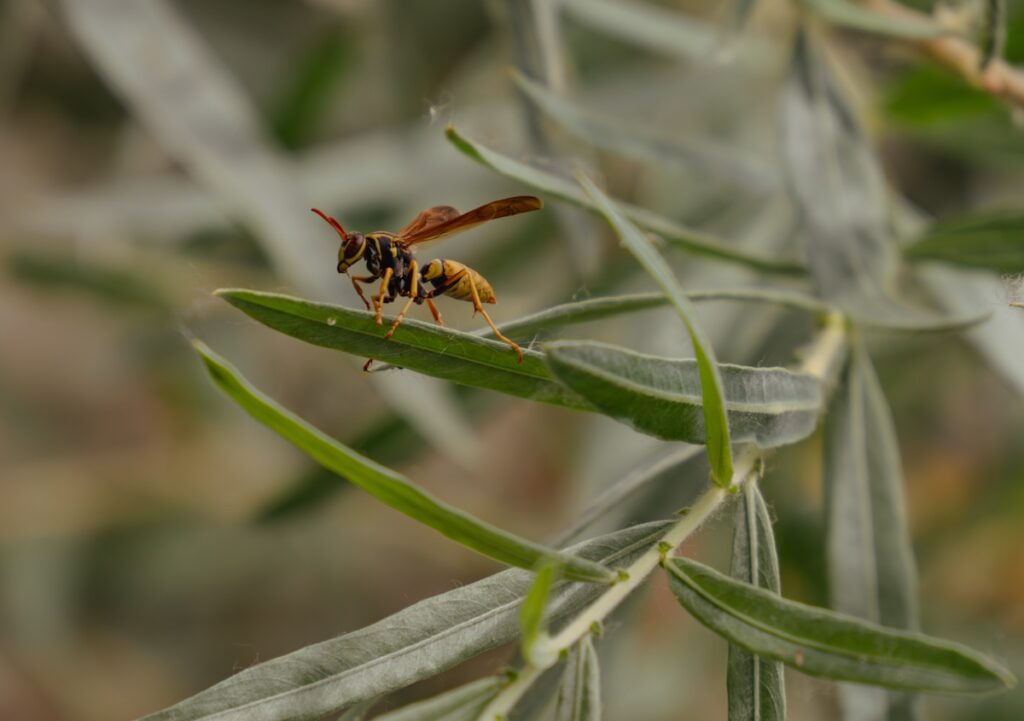
Key Reasons To Identify First
- Safety: Aggressive species like yellowjackets and bald-faced hornets require protective gear.
- Effectiveness: Treatment methods vary by nesting location and colony behavior.
- Prevention: Understanding species habits helps stop future infestations.
Homeowners in Stevens Point, WI, and surrounding areas often rely on pest control experts to distinguish between wasps, bees, and hornets before choosing a removal plan.
Where Wasps Commonly Nest Around Homes
Understanding nesting preferences helps you locate and address infestations early.
Typical Nesting Areas
- Under decks and eaves: Paper wasps prefer sheltered areas close to human activity.
- In the ground: Yellowjackets often nest in old rodent burrows.
- Inside walls or attics: European hornets and bald-faced hornets may enter through small cracks.
- Outdoor structures: Mud daubers frequently use sheds or porch corners.
Regularly inspecting these areas during the warmer months can help prevent colonies from growing unnoticed.
How To Prevent Wasp Infestations
Prevention is the best strategy for keeping wasps from nesting near your home. A few small steps can make your property less appealing to these insects.
Reduce Food Sources
- Secure trash bins: Keep lids tightly closed to reduce attraction to food scraps.
- Cover sweet drinks: Sugary scents attract wasps during outdoor meals.
- Remove fallen fruit: Clean up around trees where ripe fruit draws insects.
Eliminate Nesting Opportunities
- Seal entry points: Fill cracks in siding, soffits, and vents.
- Install screens: Cover attic vents and chimney openings.
- Regular inspection: Check for early nest development in spring.
By removing the conditions that attract wasps, homeowners can enjoy a safer and more comfortable outdoor environment.
When To Call A Professional
While small nests can sometimes be handled with caution, large or hidden colonies should be left to pest control professionals. Attempting to spray or knock down a nest without protection can provoke an aggressive swarm.
Benefits Of Professional Wasp Control
- Expert identification: Ensures the correct species is treated.
- Safe removal: Technicians use protective equipment and specialized insecticides.
- Preventive solutions: Pros can apply residual treatments to stop re-infestations.
- Peace of mind: Professional service reduces the risk of painful stings or allergic reactions.
Prompt Action Pest Control offers comprehensive wasp removal and prevention services using safe, effective methods that protect your home and family.
What To Do If You’re Stung
Even cautious homeowners can sometimes get stung. Knowing how to respond helps reduce pain and prevent complications.
First Aid Steps
- Remove the stinger: Although wasps don’t usually leave stingers behind, check the area carefully.
- Clean the wound: Wash with soap and water to reduce infection risk.
- Apply ice: Helps relieve swelling and pain.
- Take antihistamines: Useful for itching or minor allergic reactions.
If you experience severe symptoms like difficulty breathing, dizziness, or swelling of the face or throat, seek medical attention immediately.
Why Prompt Action Pest Control Is The Right Choice
Prompt Action Pest Control provides fast, reliable wasp removal for homeowners across Stevens Point, WI, and surrounding areas. Our experts are trained to identify all types of wasps, safely remove nests, and apply preventive treatments that protect your home long term.
We combine local expertise with safe, eco-friendly methods to ensure your property stays wasp-free throughout the season. Whether you’re dealing with an active nest or want to prevent future problems, our team delivers professional results you can trust.
Stay Protected From All Types Of Wasps
Understanding the common types of wasps in Wisconsin helps homeowners make informed decisions about safety and prevention. By identifying species correctly and responding early, you can avoid painful stings and damage to your property.
If you suspect wasp activity near your home, contact Prompt Action Pest Control today. Our skilled technicians in Stevens Point, WI, and surrounding areas will inspect, remove, and protect your property using proven, family-safe solutions designed for lasting results.
Recent Articles

Protect What Matters Most