




6 Types of Mice Found in Wisconsin
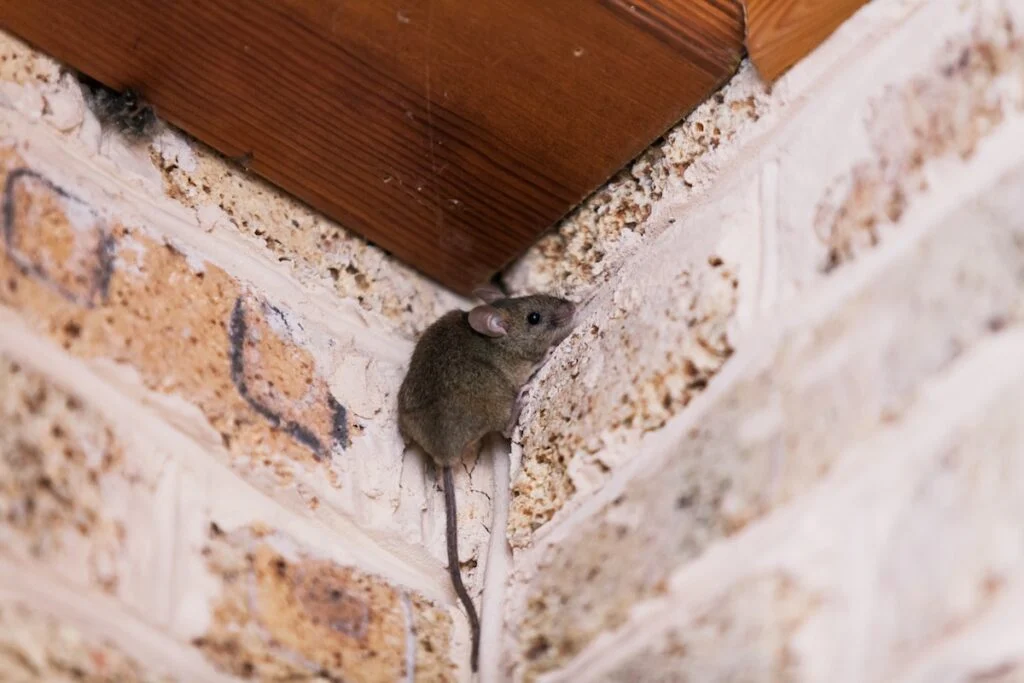
Mice are one of the most common pests homeowners encounter, often finding ways into homes to seek warmth, food, and shelter. Wisconsin is home to several distinct types of mice, each with unique traits and habits that can affect how they interact with and invade your home. Understanding these different mouse species can help you identify the problem and take effective action.
Here are three examples of why knowing about mice in your area is important for homeowners:
- Identifying specific types of mice ensures you can use tailored control methods.
- Some mice, like the deer mouse, can carry diseases that pose health risks to your family.
- Awareness of mouse species and their habits can help prevent mouse infestation before it becomes a greater issue.
Read on to learn about the six common types of mice in Wisconsin, how to identify them, and how Prompt Action Pest can help you regain control of your home.
🐁 Common Types of Mice in Wisconsin
Wisconsin’s variety of mice species can make identification tricky, but understanding the unique characteristics of each type can be incredibly helpful in determining how to address a potential infestation.
Deer Mice
Deer mice are one of the more recognized types of mice in Wisconsin and often found in rural and suburban areas. Known for their two-toned coloring, typically brown on top with a white belly, deer mice are easy to spot if you know what to look for.
- Habitat: Deer mice are often found in wooded areas or grasslands but will enter homes and sheds, especially during the colder months.
- Risks: These mice are known carriers of hantavirus, which can pose serious health risks to humans.
- Behavior: Active mostly at night, deer mice are excellent climbers, making it easy for them to find their way into higher areas of your home.

House Mouse
The house mouse is one of the most common mouse species across the country, including Wisconsin. Their small size and adaptability make them a frequent uninvited guest in homes.
- Physical characteristics: House mice are typically light brown or gray, with large ears and a long, scaly tail that is almost half the length of their body.
- Reproduction: House mice breed quickly, with females capable of producing six to 10 litters annually, leading to rapid infestations.
- Behavior: They are drawn to homes for easy access to food and warmth, often nesting in wall voids or under appliances.
White Footed Mouse
White footed mice are another commonly encountered species, especially in wooded or rural areas in Wisconsin.
- Physical traits: These mice look similar to deer mice, with a white underside and brownish topside, but they have slightly larger bodies.
- Habitat: White footed mice prefer wooded areas, but during colder months, they invade homes searching for warmth and food.
- Risks: Like deer mice, white footed mice are known to carry diseases, including hantavirus.
Woodland Jumping Mouse
The woodland jumping mouse is less commonly found in homes but is still part of Wisconsin’s diverse mouse population.
- Physical characteristics: These mice are known for their long hind legs and tails, which make them excellent jumpers. They often feature a brown coat with lighter underside colors.
- Behavior: True to their name, woodland jumping mice can leap impressive distances to evade predators or reach food sources.
- Habitats: They usually stick to damp, forested areas but might stray near homes located close to their natural habitats.

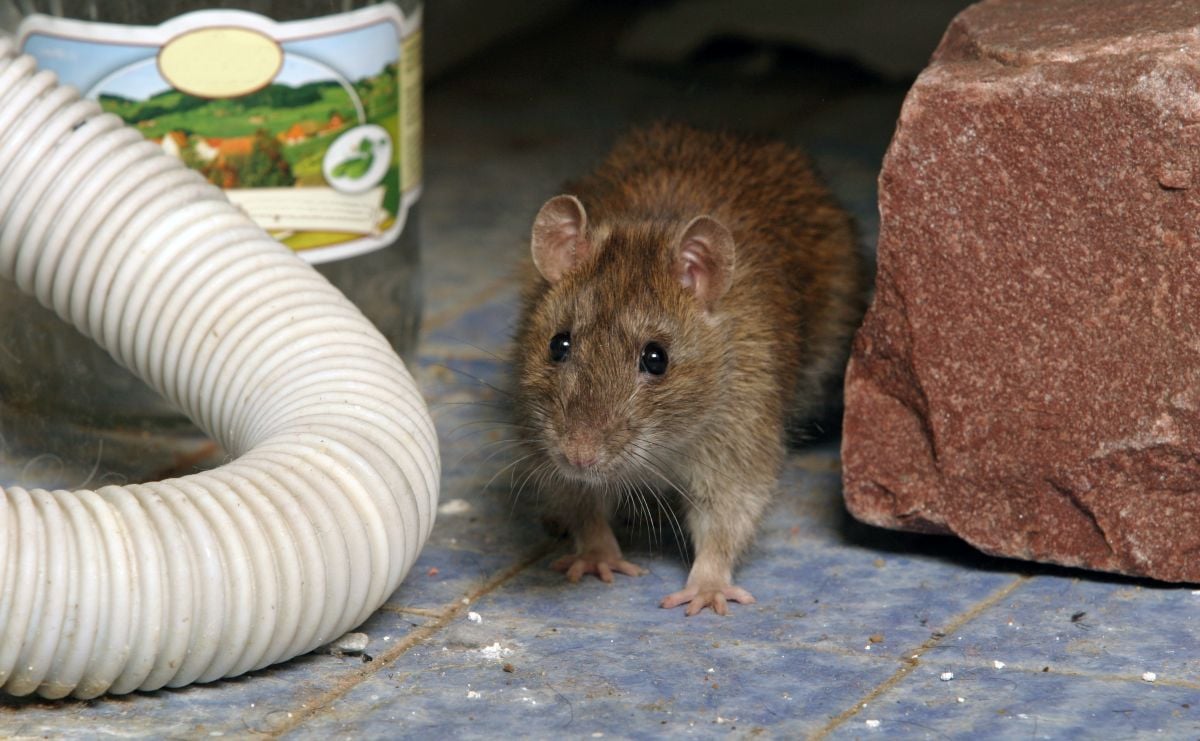
Young Brown Rat
While not technically a mouse, young brown rats can sometimes be mistaken for larger types of mice due to their small size.
- Appearance: They are typically brown with a longer, thicker tail than most mouse species.
- Behavior: These pests are known for their destructive tendencies and ability to cause structural damage and contaminate food supplies.
- Habitat: Young brown rats often nest in basements, attics, or outdoor burrows but can also invade homes in search of safe shelter.
Risks of a Mouse Infestation
Regardless of the species, any type of mouse infestation can lead to significant problems in your home. Here are some of the most common risks associated with having mice in your property:
- Health concerns: Mice can carry harmful diseases (e.g., hantavirus) that pose a threat to your family. Their droppings and urine can also trigger allergies or asthma.
- Damage to property: Mice gnaw on wires, furniture, walls, and insulation, leading to costly repairs.
- Food contamination: Mice often raid food stores, contaminating them with droppings or saliva.
Understanding and identifying the mouse species in your home is a crucial step in addressing the problem effectively.
🔎 Identifying and Treating a Mouse Infestation
Mouse infestations can develop quickly, which is why it’s essential to act promptly. Here’s how you can identify an infestation and tackle it effectively.
Signs of a Mouse Infestation
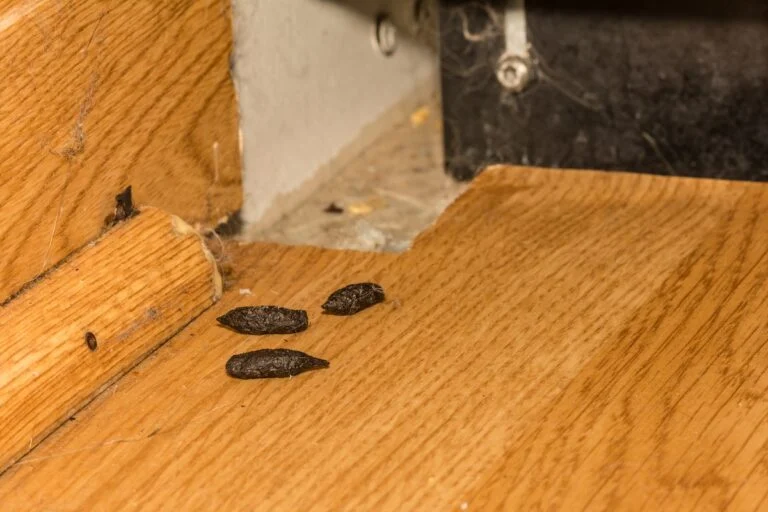
- Droppings: If you notice small, dark droppings, especially in your kitchen or pantry, it’s a clear sign a mouse is nearby.
- Gnaw Marks: Mice chew on just about anything, from wires and wood to plastic and food packaging.
- Nest Materials: Look out for small piles of shredded paper, fabric, or insulation that mice use to make their nests.
- Sounds and Smells: Scratching noises in walls or ceilings at night and a musky odor are telltale signs of mice.
- Footprints: Dusty areas may reveal tiny mouse tracks or tail marks.
Steps to Treat a Mouse Infestation
- Inspect your home: Look for potential entry points by inspecting your home thoroughly, especially around doors, windows, and foundations.
- Seal entry points: Use caulk, steel wool, or wire mesh to block small openings.
- Set traps: Using snap traps or live-catch traps in areas where mice are active can help reduce their population.
- Eliminate food sources: Keep food in airtight containers, and clean up crumbs or spills that might attract mice.
- Contact professionals: If the infestation persists, reach out to experienced pest control services like Prompt Action Pest to tackle the problem effectively.
Why It’s Vital to Act Quickly
Mouse infestations can escalate rapidly, as some mice can reproduce up to 35 offspring in a single season. Early intervention can save your home from long-term damage and health risks.
⭐️ Why Homeowners Trust Prompt Action Pest
At Prompt Action Bat and Pest Control, we know how disruptive and stressful a mouse infestation can be. That’s why we bring years of experience and proven methods to help homeowners like you regain control of your space.
Our experts specialize in identifying specific types of mice affecting your property, from the deer mouse to the house mouse, and implementing targeted solutions that address your needs. With us, you get reliable service, long-lasting results, and the peace of mind you deserve.
Don’t wait until the problem grows. Contact Prompt Action today to reclaim your home from unwanted pests. Together, we’ll make your home a pest-free sanctuary.
Recent Articles

Protect What Matters Most