




Squirrel vs. Chipmunk: How To Tell The Difference?
Squirrel vs. Chipmunk: How To Tell The Difference?
Squirrel vs chipmunk may sound like a backyard standoff, but knowing how to distinguish these critters can help homeowners protect their property and avoid future infestations. While they’re both members of the rodent family and frequent visitors to bird feeders, squirrels and chipmunks behave very differently—especially when it comes to nesting habits, property damage, and home intrusion.
Understanding the difference between squirrels and chipmunks helps you:
- Protect your home: Each species targets different parts of your home and requires specific prevention methods.
- Recognize behavior patterns: Not all squirrels behave the same—especially when comparing tree squirrels to ground squirrels.
- Respond effectively: Accurate identification leads to smarter pest control strategies.
Let’s explore how to tell them apart and what each means for your home.
🔎 Appearance: Spotting the Physical Differences
At first glance, squirrels and chipmunks can seem similar, but there are several easy ways to tell them apart.
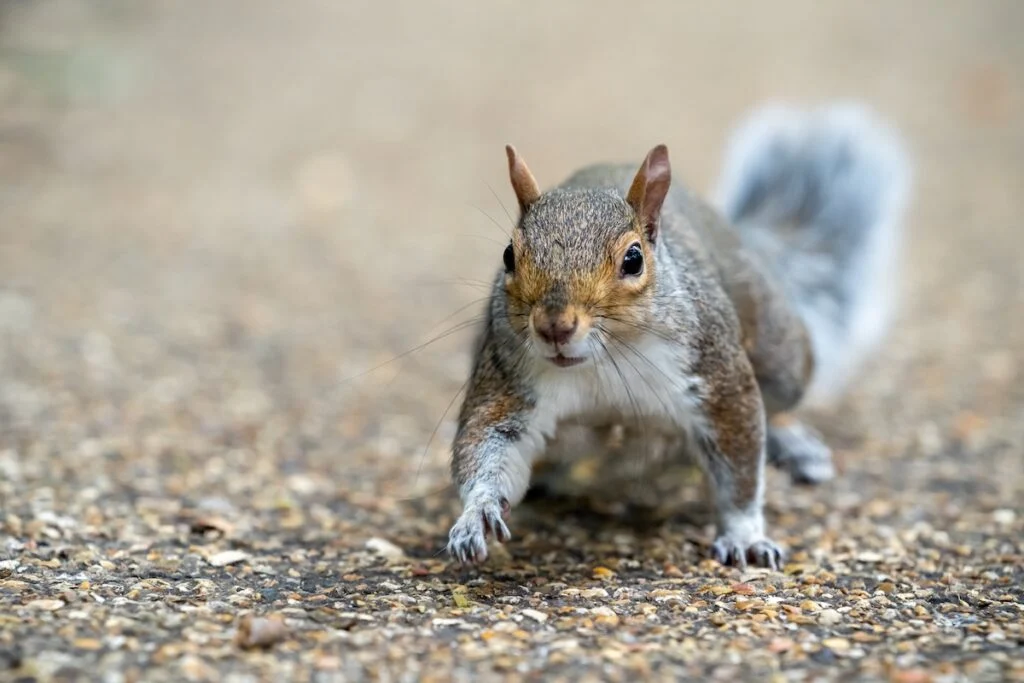
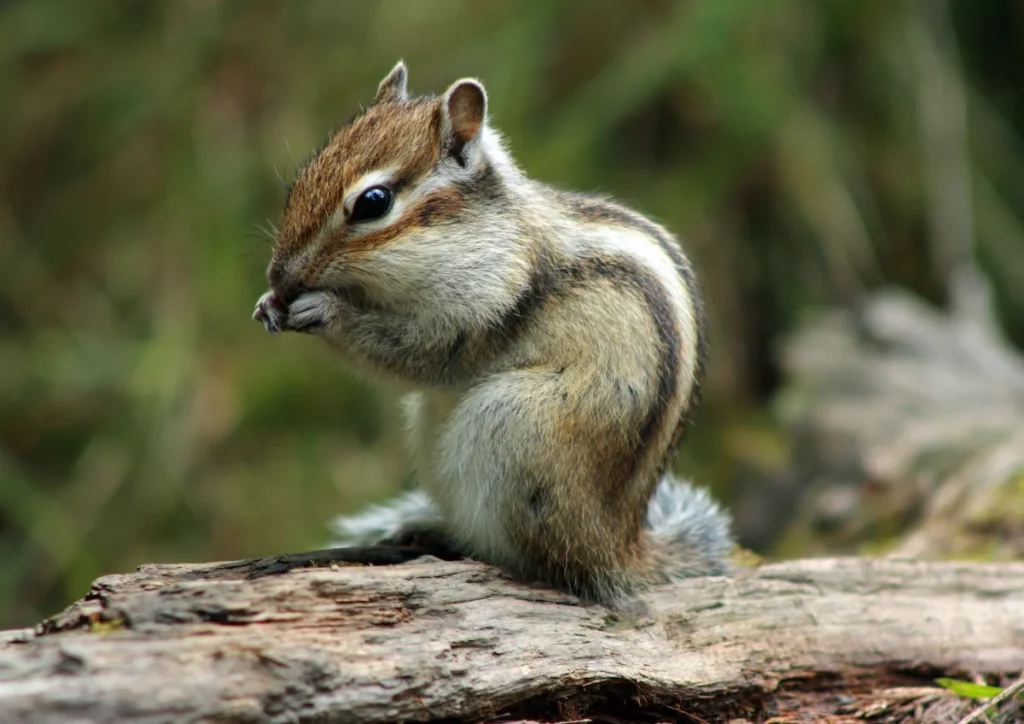
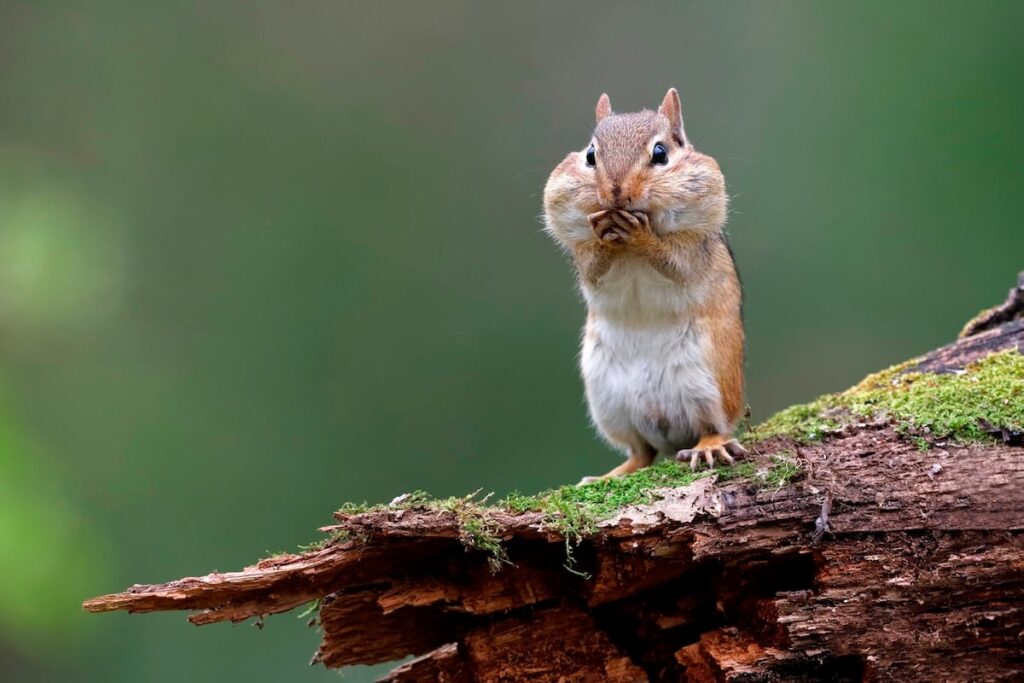
- Size and Shape: Squirrels are larger overall. Adult tree squirrels like the eastern gray squirrel or eastern fox squirrel range from 9 to 12 inches in body length, with long, fluffy tails. Chipmunks are much smaller, typically 5 to 6 inches long, with short, less bushy tails and slender builds.
- Color and Markings: Chipmunks are best known for their bold black and white stripes running from head to tail. In contrast, squirrels lack facial stripes. Gray squirrels, such as the eastern gray squirrel or western gray squirrel, are more uniformly colored, while fox squirrels may appear reddish-brown.
- Tail Type: Tree squirrels have large, plume-like tails that help with balance and insulation. Chipmunks have thinner, straight tails that often drag low to the ground.
🐿️ Behavior: How They Act Around Your Home
How these animals behave can also offer major clues for identification.
Nesting Preferences
Chipmunks are classic ground squirrels, creating burrows under patios, sheds, and landscaping features. Squirrels, on the other hand, prefer nesting above ground. Most homeowners encounter tree squirrels like the gray squirrel or fox squirrel in attics, roof eaves, or chimneys.
The northern flying squirrel is an exception. This small, gliding tree squirrel prefers quiet attics or hollow trees and is mostly active at night.
Sounds and Movement
Squirrels tend to be louder, especially when in attics, producing scratching, gnawing, and fast, heavy scurrying sounds. Chipmunks are quieter and stay closer to ground level, so their presence may go unnoticed until burrows are discovered.
🌲 Where You’ll Find Them: Indoors and Out
Knowing where each animal hangs out can help you pinpoint the source of the issue.
Entry Points and Damage Location
Tree squirrels enter through roof gaps, soffits, gables, or attic vents. Chipmunks chew through low-level vent screens or create tunnel networks near home foundations. If you’re finding holes near sidewalks, decks, or patios, it’s likely chipmunks. If you’re hearing noises overhead or finding droppings in the attic, you’re probably dealing with squirrels.
Around the Yard
Both squirrels and chipmunks are drawn to bird feeders, especially if they’re low to the ground or unprotected. However, squirrels are often bold enough to climb poles, leap from trees, and raid feeders throughout the day. Chipmunks dart in and out quickly, collecting seeds and vanishing underground.
📋 Species Breakdown: Common Squirrels in the Midwest
To understand the behavior around your home, it helps to know what types of squirrels you may be seeing.

- Eastern Gray Squirrel: These are the most common backyard tree squirrels in Wisconsin and Minnesota. They have a silver-gray coat with white bellies and are known for nesting in attics and wall voids.
- Eastern Fox Squirrel: Larger than the gray squirrel, the eastern fox squirrel has reddish-orange fur and prefers tall trees or rooflines for nesting. They are bolder than most and frequently raid bird feeders.
- Northern Flying Squirrel: Small, nocturnal, and rarely seen, the northern flying squirrel glides between trees and can silently enter attic spaces. Though less destructive than other squirrels, they can still pose a nuisance.
- Western Gray Squirrel: Though more common further west, the western gray squirrel may be seen in Wisconsin and Minnesota forests. These squirrels are large and strikingly silver, known for their high agility and strong climbing abilities.
⭐️ 5 Key Differences: Squirrels and Chipmunks at a Glance
Use these five fast comparison points to figure out who’s causing the ruckus in your yard or attic:
- Size: Squirrels are much larger than chipmunks, with longer limbs and tails.
- Stripes: Chipmunks have clear black and white stripes along their backs and faces. Squirrels do not.
- Tail Appearance: Squirrels have bushy, arched tails. Chipmunks have thin, flat tails.
- Location: Chipmunks stick to the ground. Tree squirrels live in attics, trees, and rooftops.
- Sound and Activity: Squirrels are noisy and often heard overhead. Chipmunks are quiet and ground-focused.
💪 What To Do If You Notice Squirrel or Chipmunk Activity
Whether you’re dealing with chipmunks digging near your deck or gray squirrels nesting in your attic, the first step is proper identification and inspection.
1. Get a Professional Inspection
Many homeowners underestimate how persistent and resourceful both squirrels and chipmunks can be. A professional wildlife technician can identify the animal type, trace its entry points, and evaluate the extent of the damage.
2. Humane and Effective Removal
Prompt Action uses state-approved humane methods, such as live trapping and one-way exclusion devices, to safely remove unwanted visitors. Removal plans vary depending on the species. For example, northern flying squirrels may require nighttime trapping strategies, while chipmunks are often trapped near their tunnel entrances.
3. Exclusion and Prevention
Our exclusion services focus on making sure the animals cannot return. That includes sealing attic vents, reinforcing soffits, installing chimney caps, and burying wire mesh around the perimeter of foundations to block digging chipmunks.
- Tree squirrel deterrents: Trim tree branches, seal attic access points, and install baffles around bird feeders.
- Ground squirrel prevention: Fill burrows, eliminate ground-level food sources, and reinforce vulnerable foundation areas.
🏠 Know Your Visitor, Protect Your Home
Recognizing the difference between a squirrel and a chipmunk might seem simple, but when it comes to protecting your home, the details matter. Each species—whether it’s a ground squirrel or a tree squirrel like the eastern gray squirrel or fox squirrel—has its own habits, entry methods, and potential risks.
At Prompt Action Bat and Pest Control, we specialize in identifying and removing all types of nuisance wildlife from your home. Our experienced team knows the difference between the eastern fox squirrel, the northern flying squirrel, and everything in between—and we know how to keep them out for good.
If you’re hearing noises in the attic, seeing signs of burrowing, or just want peace of mind, contact Prompt Action today to schedule your inspection. We’ll help you reclaim your space with safe, effective, and professional wildlife control.
Recent Articles

Protect What Matters Most