




4 Types Of Squirrel Traps & How To Use Them
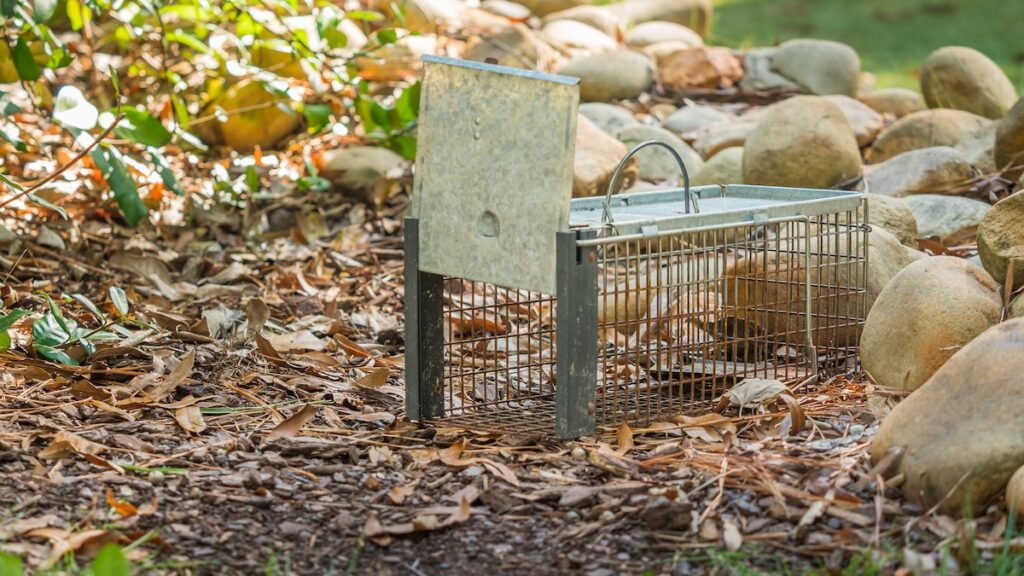
Knowing how to use squirrel traps effectively can help you remove unwanted wildlife safely and humanely. While squirrels may seem harmless, their chewing habits and nesting behavior can cause extensive property damage if left unchecked. Understanding trap types and proper use ensures that you handle the issue responsibly and prevent future infestations.
- Property protection: Squirrels can chew through insulation, wiring, and siding.
- Humane solutions: The right traps allow for safe removal and relocation.
- Prevention benefits: Using traps helps identify entry points and stop repeat invasions.
If you’re dealing with noisy critters in the attic or chewing damage on your home exterior, it’s time to explore which traps work best. Here’s everything you need to know about the most effective methods for homeowners in Green Bay, WI, and surrounding areas.
Understanding Why Squirrels Become a Problem
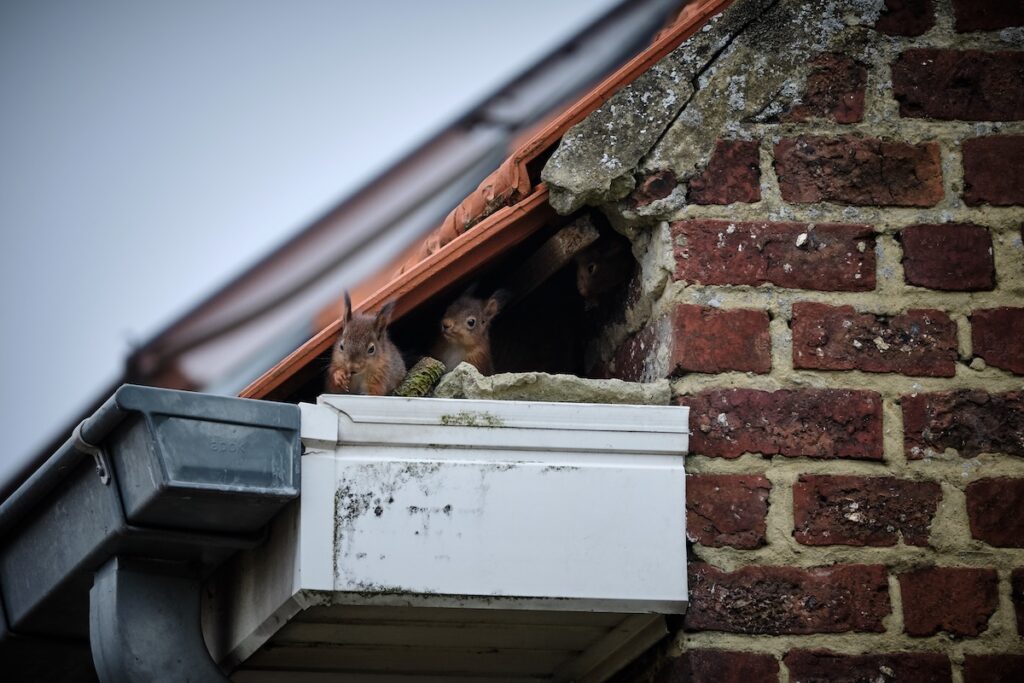
Squirrels are naturally active and curious, which makes them prone to entering homes in search of food, nesting sites, and warmth. Once inside, they can cause electrical hazards and structural damage.
Common Signs of a Squirrel Problem
- Scratching sounds: Often heard early in the morning or late afternoon.
- Chewed wood and wires: Indicate ongoing nesting or access attempts.
- Droppings or nesting debris: Typically found in attics or along rafters.
- Visible entry holes: Gaps near rooflines, vents, or chimneys.
Identifying these warning signs early helps determine whether trapping is necessary or if preventive sealing will suffice.
Safety and Legal Considerations Before Trapping
Before setting squirrel traps, check local wildlife regulations. Some states or municipalities require permits for trapping and relocating animals. It’s also essential to prioritize safety for both you and the animal.
Key Precautions
- Protective gear: Wear gloves to avoid bites and reduce scent contamination.
- Timing: Trapping during the early morning prevents extended confinement.
- Avoid trapping babies: Always confirm that no young squirrels are present in the nest.
In many cases, homeowners in Green Bay, WI, and surrounding areas choose professional pest control services to ensure humane and legal removal.
4 Common Types of Squirrel Traps
Each type of trap serves a different purpose depending on where the squirrels are located and how many you need to remove.
1. Live Cage Traps
Live cage traps are among the most humane options for catching and relocating squirrels. They allow you to trap the animal safely without harm.
- Design: A wire mesh cage with a spring-loaded door that snaps shut once triggered.
- Best placement: Along travel paths, near attic entry points, or beside feeding areas.
- Bait suggestion: Use peanut butter, sunflower seeds, or nuts for maximum attraction.
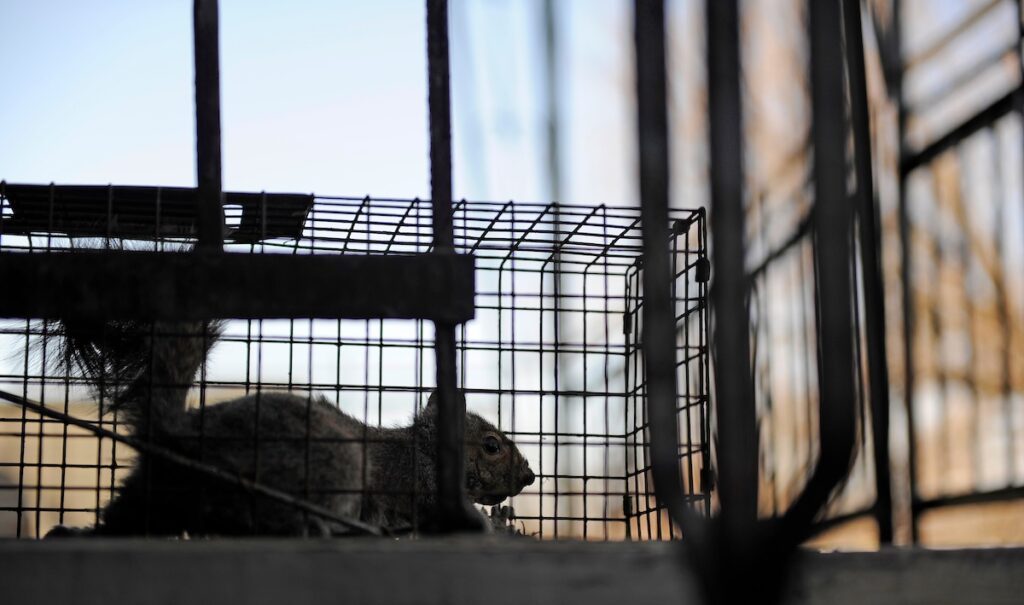
- Check frequently: Trapped animals should be relocated promptly to prevent stress.
After capture, relocate the squirrel at least five to ten miles from your property to discourage return visits.

2. One-Way Exclusion Traps
One-way exclusion traps allow squirrels to leave but not re-enter. These are ideal for attics and crawl spaces where squirrels have already made nests.
- Function: Installed at the main exit hole; squirrels push through a door that only opens outward.
- Advantage: Prevents re-entry without physically trapping the animal.
- Best use: Combined with sealing other potential entry points.
- Timing: Works best after confirming no baby squirrels remain inside.
This option is particularly effective for homeowners who prefer non-lethal removal and long-term prevention.
3. Tube or Tunnel Traps
Tube traps are designed for efficiency and speed. They work best when other methods fail or when dealing with repeat offenders that have learned to avoid cage traps.
- Structure: A cylindrical metal design that snaps shut when triggered.
- Durability: Built to withstand weather, making them suitable for outdoor use.
- Caution: These are considered lethal traps, so placement and safety measures are critical.
- Best placement: Along fences, roofs, or other paths squirrels use regularly.
Because tube traps kill on contact, they’re not recommended for families with pets or children nearby.
4. Body-Grip Traps
Body-grip traps are powerful and designed for professional use. They’re effective but must be handled with care to avoid injury.
- Design: A spring-loaded frame that closes instantly when the animal enters.
- Primary purpose: Used in chimneys, soffits, or outdoor settings where quick control is needed.
- Safety tip: Always wear gloves and use a safety clip when setting.
- Regulation note: In some areas, these traps require special permits due to their lethal design.
Homeowners who use body-grip traps should always check local wildlife control guidelines before deployment.
How to Use Squirrel Traps Effectively
Selecting the right squirrel trap is just the first step. Proper setup, placement, and maintenance determine whether your trapping effort succeeds.
Choose the Right Location
Squirrels are creatures of habit, following consistent routes to food and shelter. Observing their behavior helps identify the best trap placement spots.
- Attics and crawl spaces: Common nesting sites where live traps work best.
- Rooflines and gutters: Frequent pathways for outdoor trapping.
- Garden areas: Ideal for setting traps where squirrels feed on birdseed or crops.
Mark and monitor these spots to maximize capture success.
Select Appropriate Bait
Food choice plays a key role in attracting squirrels to traps.
- Peanut butter: Strong aroma and sticky texture make it ideal for securing bait.
- Sunflower seeds and nuts: Natural attractants that mimic their usual diet.
- Corn kernels: Great for outdoor traps where peanut butter may dry out.
Refreshing bait daily keeps traps effective, especially in warmer weather.
Check Traps Regularly
Squirrel traps must be monitored at least twice daily. Extended confinement can stress or harm the animal.
- Morning and evening checks: Ensure humane treatment and timely relocation.
- Mark locations: If you’ve set multiple traps, label and track them for easy inspection.
- Remove captured squirrels quickly: Relocate them to forested areas away from residential neighborhoods.
Frequent checks also prevent unwanted odors or scavengers from disturbing your setup.
What to Do After Trapping Squirrels
Removing squirrels from your property is only part of the solution. You’ll need to prevent them from returning.
Seal Entry Points
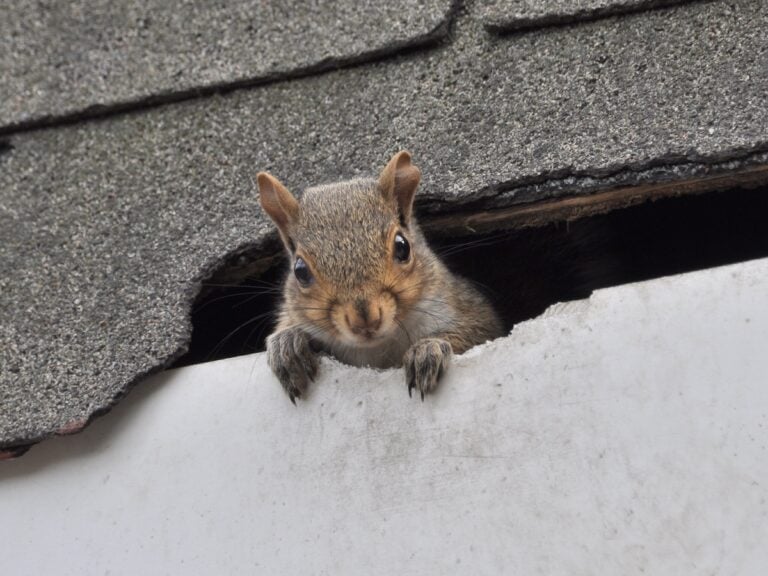
Once you’re sure all squirrels are gone, seal every possible access area.
- Inspect attics and vents: Use metal flashing or hardware cloth to cover openings.
- Chimney caps: Install screens to block access while maintaining ventilation.
- Trim trees: Keep branches at least six feet away from your roofline.
Clean and Sanitize
Squirrels leave behind droppings, nesting materials, and urine that can attract more pests.
- Vacuum debris: Use protective gloves and a respirator mask.
- Disinfect surfaces: Clean with enzyme-based cleaners to neutralize odors.
- Replace insulation if damaged: Compromised materials reduce energy efficiency and attract future nesting.
Ongoing Prevention Tips
- Remove outdoor food sources: Secure bird feeders and trash bins.
- Install motion lights: Sudden illumination can deter squirrel activity.
- Routine inspections: Schedule seasonal checks for early signs of entry.
Homeowners in Green Bay, WI, and surrounding areas often find that combining these efforts with professional support yields the best long-term protection.
Why Professional Squirrel Removal Works Best
While DIY squirrel traps can be effective for small problems, large infestations or inaccessible nesting areas often require expert help.
Advantages of Professional Pest Control
- Specialized knowledge: Technicians know squirrel behavior and the most effective trapping points.
- Humane approach: Experts use live-capture methods and safe relocation practices.
- Long-term prevention: Professionals seal entry points and provide follow-up inspections.
- Safety assurance: Reduces risks associated with handling wildlife or using strong traps.
Prompt Action Pest Control offers complete wildlife removal solutions designed for safety, efficiency, and compliance with local laws.
Common Mistakes Homeowners Make When Trapping
Even with the best intentions, small errors can make traps ineffective.
- Touching bait with bare hands: Human scent can deter cautious squirrels.
- Setting traps in random areas: Placement along travel routes improves success.
- Failing to secure traps: Unstable traps can scare squirrels away or cause injury.
- Ignoring prevention: Without sealing entry points, new squirrels may move in quickly.
Avoiding these mistakes increases your chances of success and reduces stress for both you and the animal.
Protect Your Home With Prompt Action Pest Control
When it comes to using squirrel traps effectively, success depends on strategy, consistency, and safety. Whether you prefer humane live trapping or need professional help with exclusion and prevention, taking quick action prevents costly damage and repeat infestations.
Prompt Action Pest Control provides trusted wildlife removal services for homeowners in Green Bay, WI, and surrounding areas. Our trained team uses humane trapping methods, expert sealing techniques, and proactive prevention plans to keep your home secure year-round.
If you suspect squirrel activity or need help choosing the right trap, contact Prompt Action Pest Control today for fast, reliable, and humane solutions tailored to your home.
Recent Articles

Protect What Matters Most