




Spiders In Wisconsin: How To Identify Venomous From Common
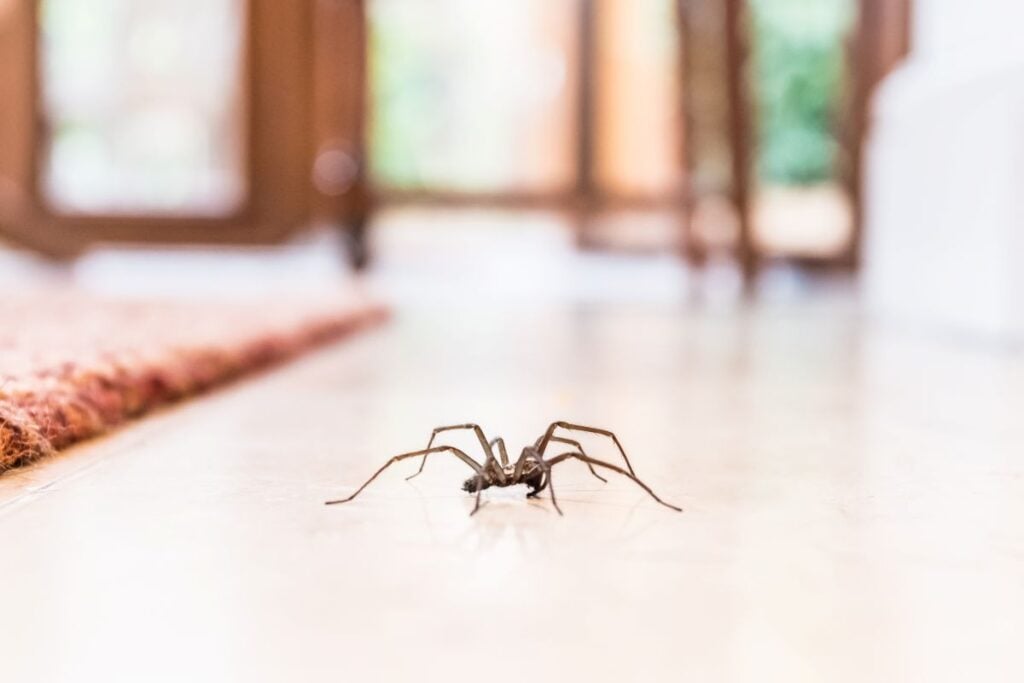
Many homeowners want to learn more about spiders in Wisconsin after spotting unfamiliar spiders in basements, garages, or around their home. While most spiders found in Wisconsin are harmless and even beneficial, a small number are venomous and can pose health concerns. Knowing how to tell the difference helps homeowners respond appropriately without unnecessary fear or overreaction.
- Wide variety: Wisconsin is home to many spider species.
- Low risk overall: Most spiders are not dangerous to humans.
- Identification matters: Correct identification prevents panic and improper treatment.
If you are seeing spiders indoors or around your property, this guide explains how to identify common versus venomous spiders and what homeowners in Wausau, WI, and surrounding areas should know.

Why Spider Identification Is Important
Not all spiders should be treated the same way. While most common spiders pose no health risk, venomous species require more caution and professional handling. Misidentifying spiders can lead to unnecessary stress or ignoring a legitimate concern.
Proper identification also helps determine whether spider activity is normal or a sign of a larger pest issue. Spiders often appear where insects are present, making them useful indicators of other infestations.
How Identification Helps Homeowners
- Risk awareness: Distinguishes harmless spiders from venomous ones.
- Correct response: Prevents unnecessary or unsafe DIY actions.
- Peace of mind: Reduces fear caused by uncertainty.
- Better prevention: Guides appropriate control strategies.
Understanding what you are dealing with leads to smarter decisions.
Venomous Spiders Found In Wisconsin
Wisconsin has very few venomous spiders, and encounters with them are rare. However, knowing which species pose potential risks helps homeowners stay cautious when needed.
Venomous spiders tend to hide in dark, undisturbed areas and avoid human contact. Bites typically occur only when spiders feel threatened.
Venomous Spider Species To Know
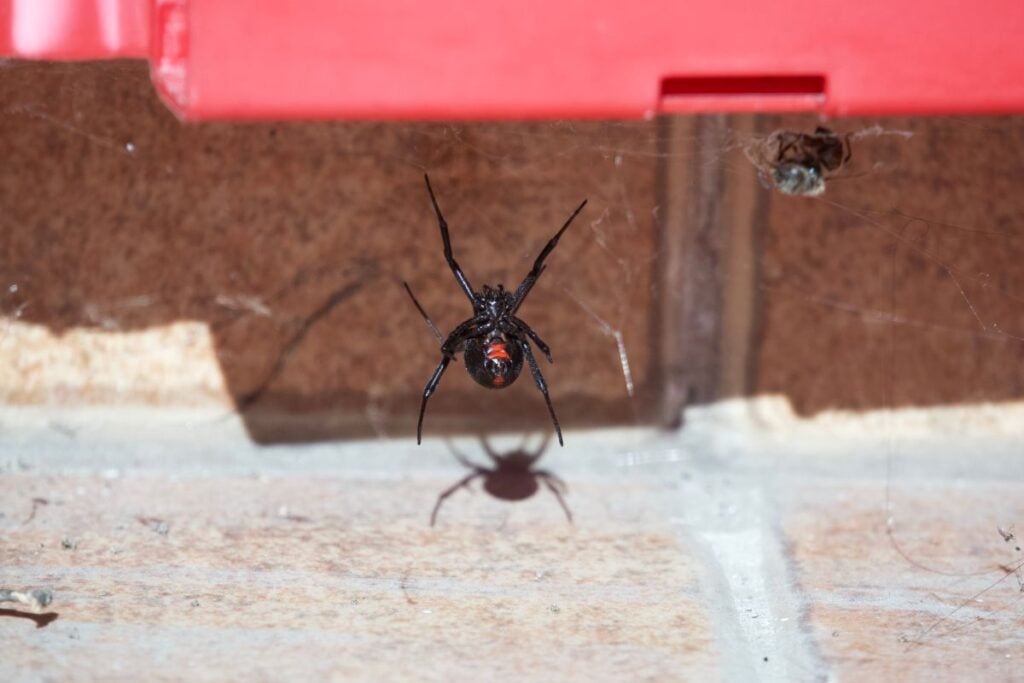
- Black widow: Shiny black body with red markings, often found in quiet outdoor structures.
- Brown recluse: Light brown spider with a violin-shaped marking, rarely encountered but possible in isolated cases.
These spiders are uncommon, but caution is advised if suspected.
Common Harmless Spiders In Wisconsin
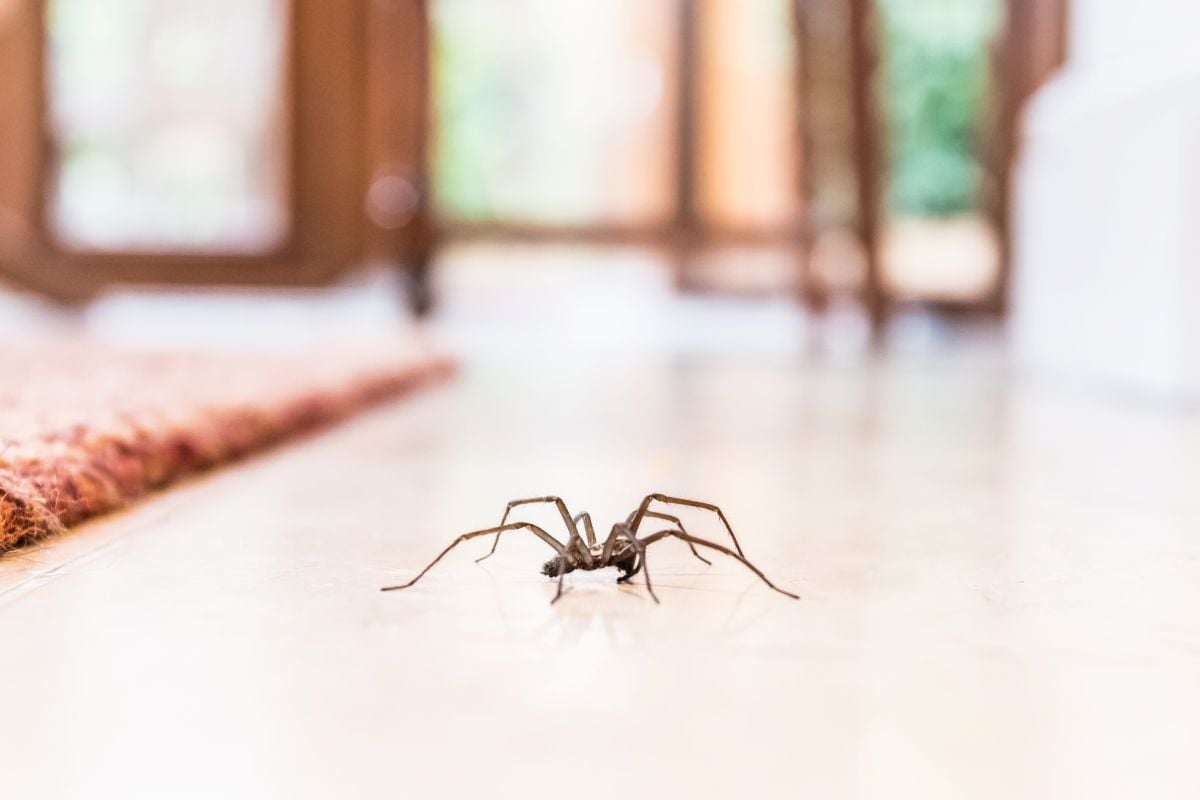
The vast majority of spiders in Wisconsin are harmless and play a role in controlling insect populations. These spiders may look intimidating but rarely bite and pose no medical threat.
Common spiders are often found indoors when searching for food or shelter, especially during seasonal changes.
Frequently Seen Non-Venomous Spiders
- House spiders: Small to medium-sized spiders found in corners and basements.
- Wolf spiders: Large, fast-moving spiders often mistaken for dangerous species.
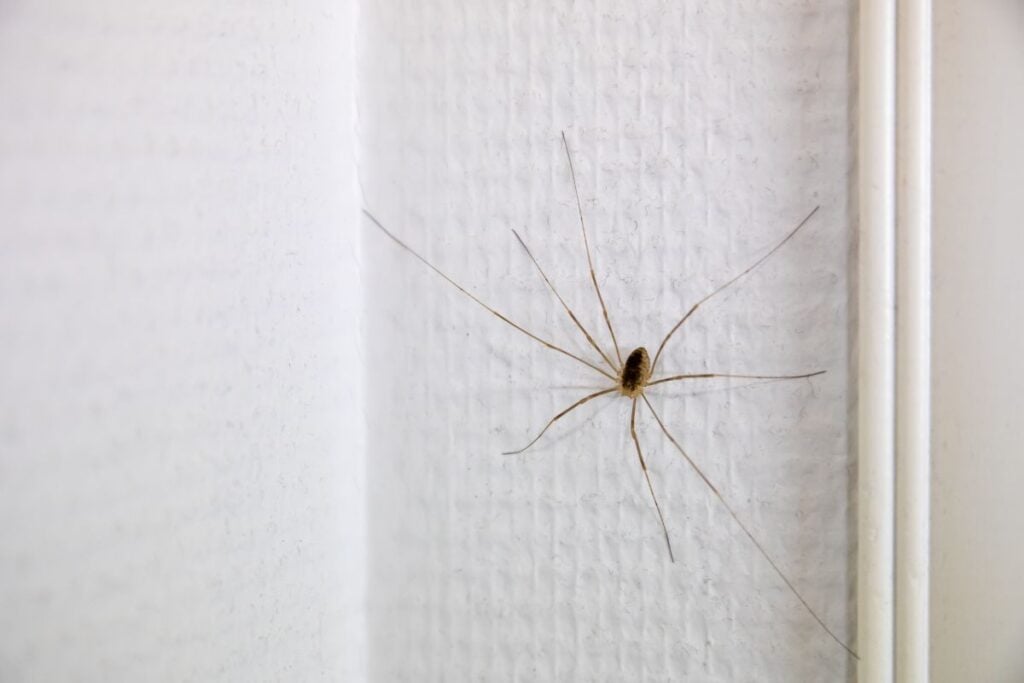
- Cellar spiders: Long-legged spiders commonly seen in basements.
- Jumping spiders: Small, active spiders with quick movements.
These spiders help reduce insect populations and rarely cause harm.
Key Differences Between Venomous And Common Spiders
Understanding physical and behavioral differences makes identification easier. Venomous spiders often have specific markings and prefer hidden environments, while common spiders are more visible and less secretive.
Behavior is often just as important as appearance when identifying spiders.
Physical And Behavioral Differences
- Body markings: Venomous species often have distinct markings.
- Leg length: Some harmless spiders have longer legs than venomous ones.
- Movement: Common spiders are more active and visible.
- Habitat preference: Venomous spiders favor undisturbed spaces.
Careful observation helps narrow down identification.
4 Traits That Help Identify Venomous Spiders
This section outlines the most reliable traits homeowners can use to determine whether a spider may be venomous. Each trait includes explanation and key indicators to look for.
1. Body Color And Markings
Venomous spiders often have distinctive color patterns that set them apart from common species. These markings are usually consistent within each species.
- Black widow: Glossy black body with red markings.
- Brown recluse: Light brown body with a violin-shaped marking.
- Common spiders: Typically brown, gray, or patterned without clear symbols.
Color alone should not be the only factor, but it is a helpful starting point.
2. Preferred Hiding Locations
Venomous spiders tend to stay hidden in dark, undisturbed areas where human contact is minimal. These locations reduce the chance of accidental encounters.
- Venomous spiders: Crawl spaces, sheds, and storage areas.
- Common spiders: Corners, ceilings, and visible webs.
- Risk zones: Areas rarely cleaned or disturbed.
Location provides important identification clues.
3. Web Structure And Behavior
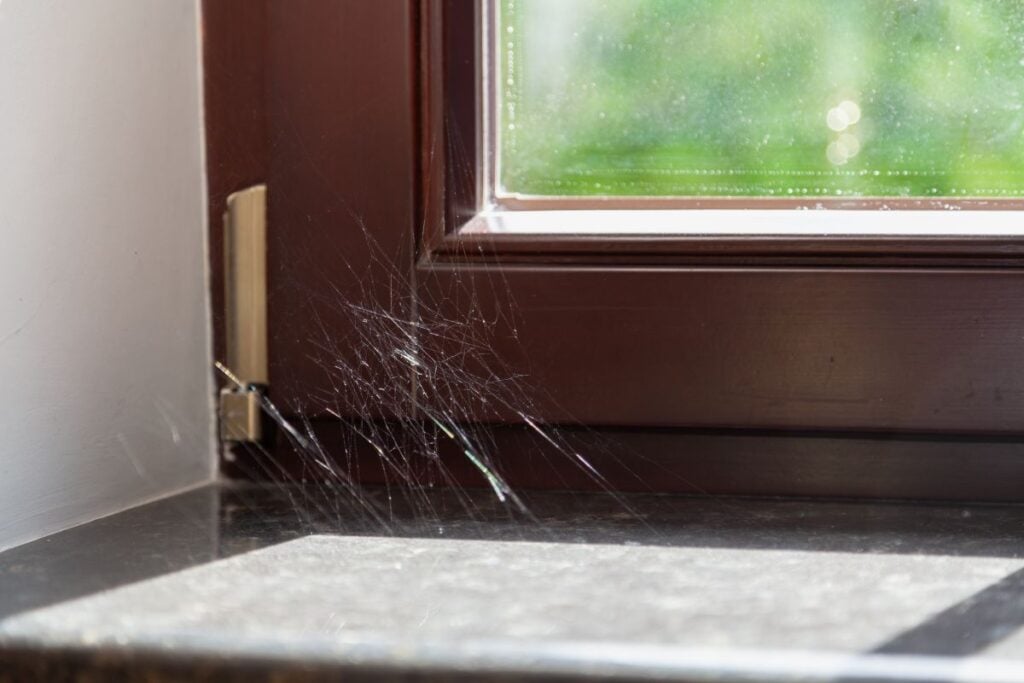
Different spiders build different types of webs or none at all. Observing web structure can help identify species.
- Black widows: Irregular, messy webs near ground level.
- House spiders: Organized webs in corners.
- Wolf spiders: Do not build webs and actively hunt.
Web type often reveals which spider is present.
4. Reaction When Disturbed
How a spider reacts when approached can indicate its nature. Venomous spiders usually retreat rather than chase or confront.
- Venomous spiders: Remain hidden or flee.
- Common spiders: May run quickly across floors or walls.
- Defensive behavior: Bites occur mainly when trapped.
Behavior helps separate dangerous from harmless species.
Where Spiders Are Most Commonly Found Indoors
Spiders enter homes in search of food, shelter, and stable temperatures. Certain areas of the home are more attractive to them than others.
Knowing where spiders hide helps homeowners locate and address activity early.
High-Activity Indoor Areas
- Basements and crawl spaces: Dark, low-traffic environments.
- Attics: Undisturbed storage areas.
- Garages: Entry points and cluttered spaces.
- Window corners: Near insect activity.
Homes in Wausau, WI, and surrounding areas often see increased spider activity during fall.
Health Risks Associated With Venomous Spider Bites
While bites from venomous spiders are rare, they can cause symptoms ranging from mild irritation to more serious reactions. Medical attention is recommended if a bite is suspected.
Most bites occur when spiders are trapped against skin or disturbed accidentally.
Possible Bite Symptoms
- Redness and swelling: Common initial reactions.
- Pain or cramping: Possible with venomous species.
- Skin irritation: May worsen over time.
- Medical concern: Severe symptoms require immediate care.
Prompt evaluation helps ensure safety.
What To Do If You Find A Venomous Spider
Finding a suspected venomous spider should be handled carefully. Avoid attempting to remove it without proper equipment or experience.
Professional help ensures safe removal and proper identification.
Safe Steps To Take
- Avoid direct contact: Do not handle spiders with bare hands.
- Limit access: Keep people and pets away.
- Do not crush: Preserves identification if needed.
- Call professionals: Ensures safe removal.
These steps reduce risk and stress.
How To Reduce Spider Activity Around Your Home
Preventing spider activity focuses on reducing insects, sealing entry points, and maintaining clean spaces. These steps make homes less attractive to spiders.
Consistent prevention also helps identify problems early.
Prevention Tips
- Seal cracks: Close gaps around doors and windows.
- Reduce insects: Address other pest problems promptly.
- Declutter storage: Remove hiding spots.
- Adjust lighting: Reduce insects near entry points.
These measures reduce both harmless and venomous spider activity.
When To Call A Professional
Professional help is recommended when spiders are frequently appearing, suspected venomous species are present, or DIY efforts fail. Experts provide accurate identification and effective control.
Professional inspections also help uncover underlying pest issues.
Benefits Of Professional Spider Control
- Accurate identification: Confirms spider species.
- Safe removal: Protects homeowners and pets.
- Preventive solutions: Reduces future activity.
- Peace of mind: Eliminates uncertainty.
Prompt Action Pest Control provides expert spider inspection and control services for homeowners in Wausau, WI, and surrounding areas.
Knowledge Makes Spider Control Easier
Understanding spiders in Wisconsin helps homeowners separate harmless species from those that require caution. Most spiders pose little risk, but knowing how to identify venomous spiders allows for a calm, informed response.
If you are concerned about spider activity or want professional identification and prevention, contact Prompt Action Pest Control today. Our team in Wausau, WI, and surrounding areas will inspect your home, identify spider species accurately, and provide proven solutions to keep your home safe and comfortable.
Recent Articles


Protect What Matters Most