




3 Best Mosquito Repellent Plants For Your Home
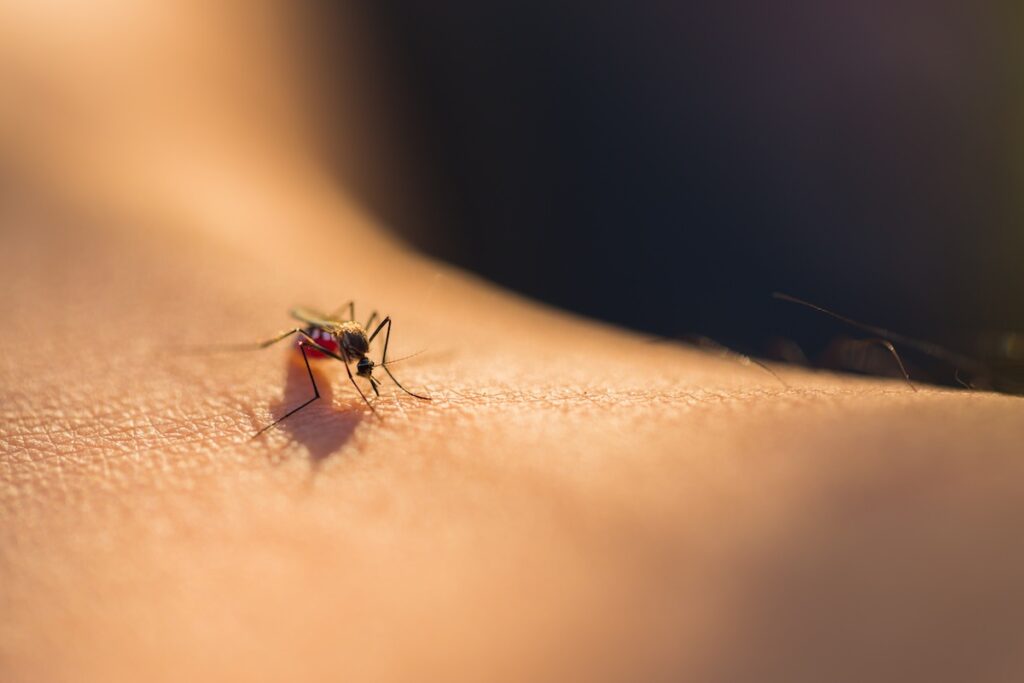
Choosing the rightmosquito repellent plants can make a noticeable difference in how comfortable your outdoor spaces feel during warm weather. These plants release natural oils and fragrances that helpdeter mosquitoes without the need for heavy chemical sprays. When used correctly, they can complement your pest control routine and reduce the number of flying pests around your home.
- Natural solutions: Many plants contain oils that mosquitoes find unpleasant.
- Easy maintenance: Most repellent plants require minimal care.
- Family-friendly: These options offer a safer alternative to harsh repellents.
If you want to enjoy your patio, yard, or garden with fewer insects buzzing around, these plant-based options are a great place to start for homeowners in Stevens Point, WI, and surrounding areas.
Why Mosquitoes Are Attracted To Your Home
Mosquito activity increases as temperatures rise, and certain environmental factors can make your yard more appealing to them. Understanding what draws mosquitoes to your home can help you combine repellent plants with smart prevention strategies for the best results. This section explains the most common attractants and how small changes can help reduce mosquito presence.
Common Reasons Mosquitoes Gather
- Standing water: Mosquitoes lay eggs in still water found in birdbaths, gutters, or buckets.
- Shaded areas: Dense vegetation and dark corners offer cool, moist hiding spots.
- Organic debris: Leaves, mulch, and yard waste create humid environments.
- Outdoor lighting: Certain bulbs attract flying insects after sunset.
By controlling these factors and adding mosquito-repelling plants, you can create an environment that is much less appealing to pests.
How Mosquito Repellent Plants Work
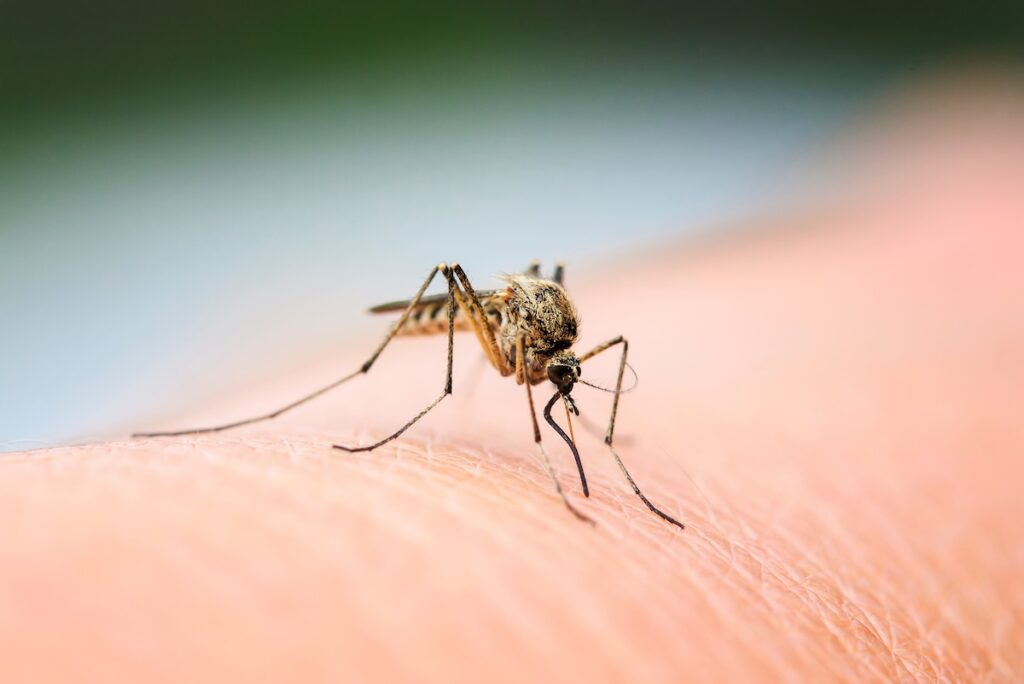
Mosquito repellent plants contain natural compounds that irritate or confuse mosquitoes, making it harder for them to detect humans. These plants do not eliminate mosquito populations entirely but can help create a barrier of scent around high-traffic outdoor areas. Understanding how they work helps you use them more effectively in your landscaping.
Why These Plants Are Effective
- Fragrant oils: Many plants produce oils that interfere with mosquito senses.
- Low-maintenance: Most grow easily in pots, garden beds, or borders.
- Versatile use: Leaves can be crushed or processed to release stronger aromas.
While not a replacement for professional pest control, these plants provide valuable support and help enhance comfort on your property.
The Best Way To Use Mosquito-Repellent Landscaping
Strategically placing repellent plants is just as important as the plant selection itself. This section explains where to position these plants to get the maximum benefit. By using them intentionally, you’ll create layers of natural protection throughout your yard.
Ideal Placement Locations
- Patio edges: Helps create a scent barrier around seating areas.
- Near entryways: Reduces the chance of mosquitoes following you indoors.
- Garden borders: Protects footpaths and walkways.
- Around outdoor lights: Helps counteract insect-attracting bulbs.
Combining several plants in one area enhances the aroma and boosts protection against mosquitoes.
3 Best Mosquito Repellent Plants
Each plant has unique advantages and uses, giving homeowners several options to match their landscaping preferences. The following selections are popular, effective, and easy to grow in a variety of climates.
1. Citronella
Citronella is one of the most well-known mosquito repellent plants, commonly used in candles, oils, and sprays. The plant itself, however, can be equally beneficial in reducing mosquito activity around your home.
- Fragrance: Produces a strong lemon-like scent that disrupts mosquito tracking.
- Best placement: Around patios, decks, and seating areas.
- Growth needs: Prefers full sun and well-drained soil.
To release more of its natural oils, gently crush a few leaves between your fingers while spending time outdoors.

2. Lavender
Lavender is both a beautiful and effective plant for reducing mosquito presence. Its calming aroma is pleasant to humans but unappealing to mosquitoes, making it an excellent addition to outdoor living spaces.
- Fragrance: Contains natural oils that repel insects and promote relaxation.
- Best placement: Walkways, garden borders, or near windows.
- Growth needs: Thrives in sunny, dry environments with well-drained soil.
Lavender can also be harvested and dried, allowing you to create sachets or bundles for indoor use.
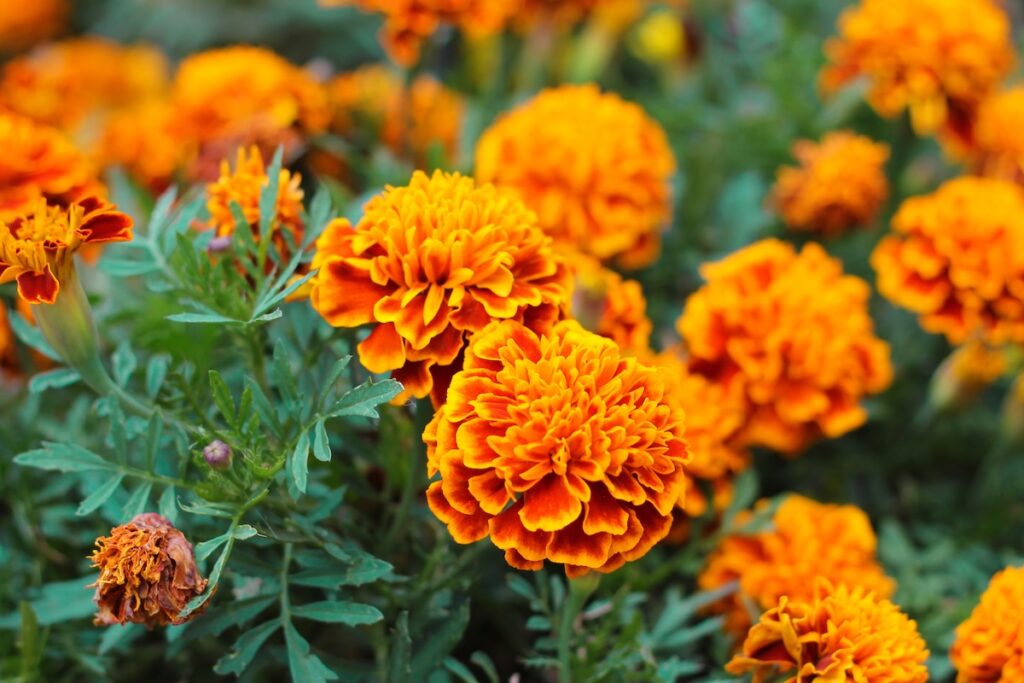
3. Marigolds
Marigolds add vibrant color to your yard while offering natural pest-repellent properties. Their scent helps keep mosquitoes and other insects away, making them a smart addition to vegetable gardens and outdoor seating areas.
- Fragrance: Produces a naturally bitter scent that discourages mosquitoes.
- Best placement: Around garden beds or along patios.
- Growth needs: Prefers full sun and moderate watering.
Marigolds are hardy, easy to grow, and bloom throughout the summer, providing consistent protection during peak mosquito season.
Additional Plants That Help Repel Mosquitoes
While the three main plants listed above are highly effective,several other species can contribute to mosquito prevention. This section explains a few additional options that can enhance your overall strategy. Planting a mix of these species increases your yard’s defenses and supports natural pest control efforts.
Other Helpful Choices
- Basil: Strong aroma disliked by mosquitoes and many flying insects.
- Rosemary: Provides a pleasant fragrance and repels pests near cooking areas.
- Peppermint: Produces cooling oils that deter insects and freshen outdoor air.
- Catnip: Extremely effective but may attract neighborhood cats.
Adding just a few of these plants helps strengthen your yard’s protective barrier.
Combining Plants With Smart Mosquito Prevention
Repellent plants work best when used alongside other mosquito control methods. This section highlights the most effective steps for reducing mosquito activity long-term. When paired with these habits, your outdoor space becomes significantly more comfortable.
Simple Prevention Steps
- Eliminate standing water: Empty buckets, unclog gutters, and refresh birdbaths regularly.
- Use proper lighting: Switch to yellow or warm-toned bulbs to reduce insect attraction.
- Maintain landscaping: Trim grass, shrubs, and overgrown foliage.
- Keep outdoor areas clean: Remove food scraps and clean up after cookouts.
These steps help minimize mosquito breeding opportunities and boost the effectiveness of repellent plants.
When To Call A Professional For Mosquito Help
There are times when repellent plants and basic prevention steps are not enough. Mosquitoes may be breeding in hidden areas, or weather conditions may make them more persistent than usual. Professional pest control provides more powerful solutions designed to reduce large populations.
Benefits Of Professional Mosquito Treatment
- Thorough inspection: Identifies breeding sites and environmental issues.
- Targeted treatment: Reduces adult populations and disrupts breeding cycles.
- Long-term protection: Scheduled treatments keep mosquito numbers low all season.
- Improved comfort: Allows you to enjoy outdoor areas without constant swatting.
Prompt Action Pest Control offers effective mosquito control programs tailored to homeowners in Stevens Point, WI, and surrounding areas. Our treatments help reduce mosquito numbers and protect your home all summer long.
Maintaining A Mosquito-Free Home
Once you have a strong prevention plan in place, regular maintenance helps keep your home comfortable throughout the season. Staying consistent with your care routine ensures mosquitoes have fewer opportunities to reproduce and gather around your property.
Ongoing Maintenance Tips
- Refresh soil: Keep plant beds healthy and well-drained.
- Check water sources: Inspect outdoor items after rainstorms.
- Rotate plants: Replace older plants or add new varieties each season.
- Partner with professionals: Combine plant strategies with expert pest control.
With proper upkeep, your landscaping can serve as an effective first line of defense against mosquitoes.
Create A More Comfortable Outdoor Space
Choosing mosquito repellent plants is an excellent first step toward reducing mosquito activity around your home. When combined with proper prevention habits and professional help, these natural solutions offer noticeable relief throughout the warmest months of the year.
If mosquitoes are limiting your ability to enjoy your outdoor spaces, contact Prompt Action Pest Control today. Our team serves homeowners in Stevens Point, WI, and surrounding areas with proven mosquito control solutions that help you reclaim your yard and stay comfortable all season long.
Recent Articles

Protect What Matters Most