




Ladybug vs Asian Beetle: What’s The Difference?

Many homeowners are surprised to learn that ladybugs andAsian beetles are not the same insect. In fact, comparingladybug vs Asian beetle characteristics reveals key differences that affect how you should handle them. While both species look similar, Asian beetles are an invasive species that can become a major nuisance once they enter homes in large numbers.
- Visual similarity: Both insects have red or orange shells with black spots.
- Behavioral difference: Asian beetles bite and emit a foul odor when disturbed.
- Seasonal habits: Both species appear most commonly in the fall.
If you’ve noticed small red beetles clustering around your windows or walls, it’s important to know which type you’re dealing with. Let’s look at the physical and behavioral traits that set these two insects apart and how to keep them from invading your home in Minneapolis, MN, and surrounding areas.
Why Ladybugs And Asian Beetles Get Confused
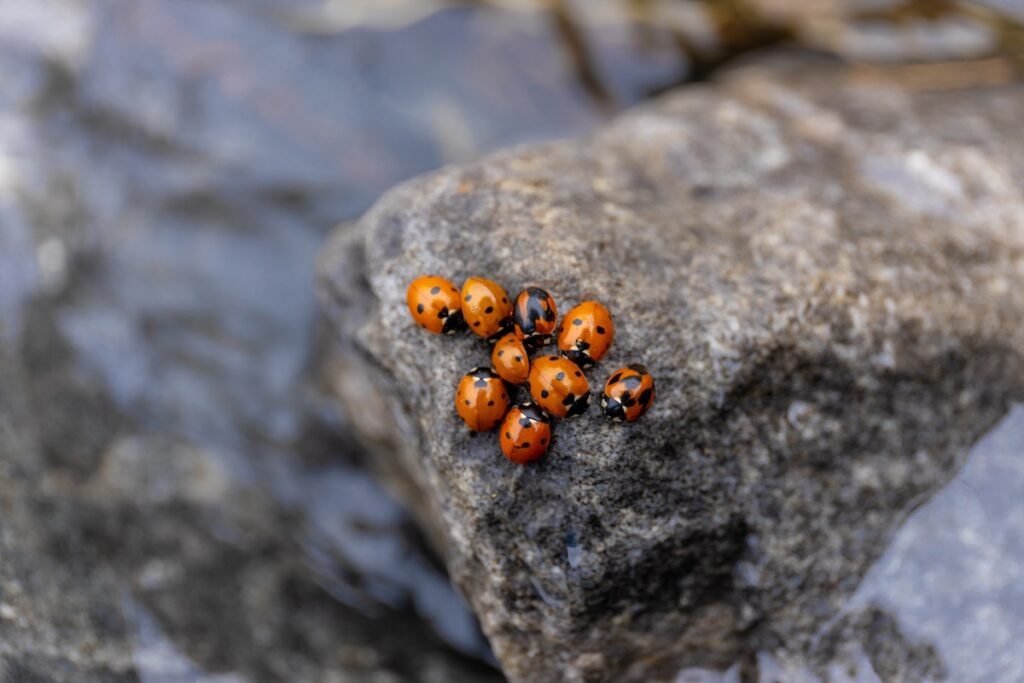
At a quick glance, ladybugs and Asian beetles look nearly identical. Both are small, round, and brightly colored. However, subtle differences in shape, markings, and behavior reveal which is which. Understanding these differences can help you respond appropriately, especially when an infestation occurs inside your home.
Shared Traits
- Body shape: Both insects have a dome-shaped shell with short legs and antennae.
- Color: Most species are orange to red with dark spots.
- Diet: Both feed on aphids and other soft-bodied garden pests, which makes them beneficial outdoors.
While ladybugs are native and harmless, Asian beetles were introduced to North America to control crop pests. Unfortunately, they quickly spread and adapted to living inside homes during cooler months.
4 Physical Differences Between Ladybugs And Asian Beetles
Identifying which insect you’re dealing with often comes down to close visual inspection. A few physical details can reveal whether you’re seeing a friendly ladybug or a troublesome Asian beetle.
Ladybug Characteristics
- Color: Bright red or deep orange with black spots.
- Shape: Round, smooth dome.
- Head markings: Solid black without additional patterns.
- Behavior: Non-aggressive and does not bite.
Native ladybugs are considered beneficial insects because they help control aphid populations in gardens and farms. They rarely enter homes in large numbers.

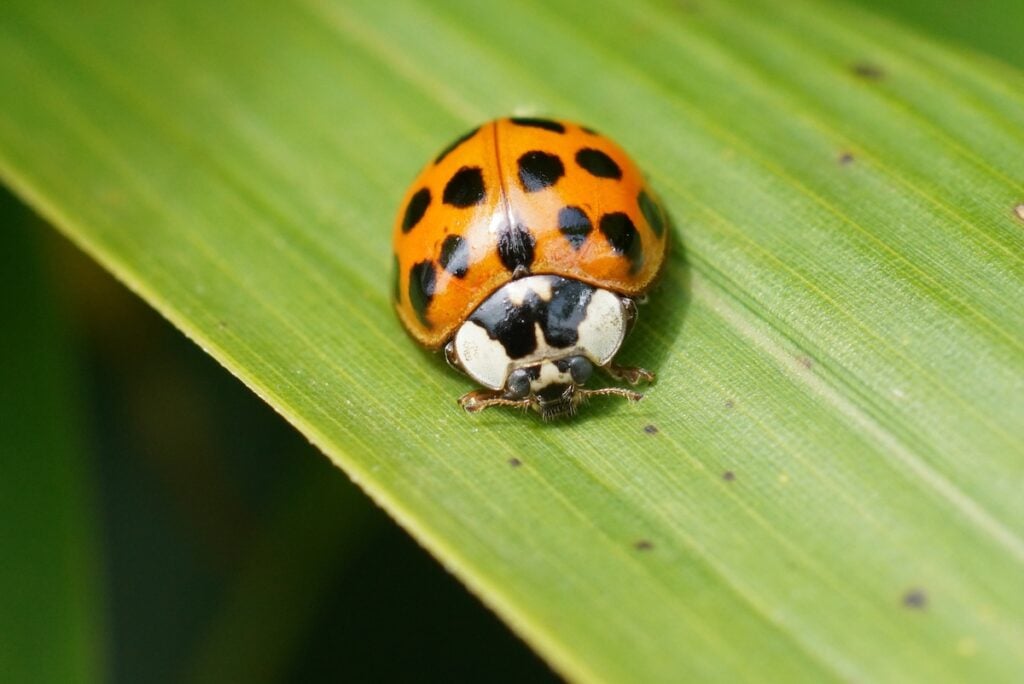
Asian Beetle Characteristics
- Color: Yellow-orange to dark orange with varying spot patterns (sometimes no spots at all).
- Shape: More oval and elongated than a ladybug.
- Head markings: Distinct black “M” or “W” mark behind the head.
- Behavior: Can bite, emit odor, and secrete yellowish fluid that stains surfaces.
Asian beetles are more common indoors, especially in the fall. When temperatures drop, they seek warmth by entering attics, wall voids, and window frames.
Behavior Differences You’ll Notice
Beyond appearance, behavior is one of the clearest indicators of which insect you’re dealing with. Ladybugs typically stay outdoors, while Asian beetles are drawn to warmth and light.
Ladybug Behavior
- Habitat: Found in gardens, fields, and wooded areas.
- Seasonal habits: Active in spring and summer, hibernate outdoors in winter.
- Interaction with humans: Rarely seen indoors; completely harmless.
Asian Beetle Behavior
- Habitat: Commonly found near sunny windows, ceilings, and walls during fall and winter.
- Seasonal habits: Invades homes in autumn to overwinter in wall voids or attics.
- Interaction with humans: Can bite and release foul-smelling defensive fluid when disturbed.
Homeowners in Minneapolis, MN, and surrounding areas often report Asian beetles gathering in clusters on sunny sides of their homes during late September and October.
How To Tell If You Have An Infestation
While ladybugs may appear occasionally indoors, they don’t swarm or linger. Asian beetles, however, can enter homes in the hundreds or even thousands, especially during the fall.
Signs Of An Asian Beetle Infestation
- Clustering behavior: Large groups congregate on windows, light fixtures, or ceilings.
- Stains on walls: Yellow or brown spots caused by their defensive secretions.
- Unpleasant odor: A distinct musty or bitter smell when squished.
- Persistent activity: Continuous sightings throughout the winter months.
If you’re noticing these signs, you’re almost certainly dealing with Asian beetles rather than ladybugs.
Why Asian Beetles Enter Homes
Asian beetles are attracted to warmth and sunlight, which is why they often gather on the south or west-facing sides of homes. They use small cracks or gaps to find their way indoors, where they remain dormant during the cold months.
Common Entry Points
- Gaps around windows: Loose seals or screens provide easy access.
- Soffits and eaves: Entry near rooflines is common for overwintering pests.
- Attic vents: Poorly screened vents invite beetles inside.
- Foundation cracks: Even small gaps allow entry into basements or wall voids.
Once inside, Asian beetles can overwinter quietly until spring, when they become active again and attempt to escape outdoors.
Why Ladybugs Are Beneficial
While Asian beetles are a nuisance, ladybugs are considered an important ally in natural pest control. They feed on garden pests that harm plants and crops.

Benefits Of Ladybugs
- Aphid control: A single ladybug can eat up to 5,000 aphids in its lifetime.
- Non-destructive: Does not harm plants, structures, or humans.
- Pollination support: Occasionally assists in pollination while feeding.
Encouraging native ladybugs in your garden helps maintain a healthy ecosystem while reducing the need for chemical pesticides.
How To Prevent Asian Beetles From Invading
Preventing entry is the most effective way to stop Asian beetles from becoming a problem. Simple home maintenance steps can drastically reduce infestations.
Seal Entry Points
- Caulk gaps and cracks: Focus on areas around windows, doors, and siding.
- Repair screens: Fix holes or tears that allow entry through vents or windows.
- Install door sweeps: Seal thresholds to prevent beetles from slipping in.
Manage Outdoor Lighting
- Switch bulbs: Use yellow “bug lights” to reduce attraction to bright white light.
- Limit night lighting: Turn off unnecessary exterior lights in the fall.
Professional Exclusion Services
Prompt Action Pest Control offers professional exclusion treatments that seal your home’s most vulnerable points. This service is especially effective before fall when beetles begin searching for winter shelter.
Safe Ways To Remove Asian Beetles Indoors
If beetles have already entered your home, the key is safe, controlled removal without creating stains or spreading odor.
Effective Removal Tips
- Use a vacuum: Gently vacuum clusters, then dispose of the bag immediately.
- Avoid crushing: Squashing releases staining fluid and unpleasant odor.
- Wipe surfaces: Clean affected areas with mild soap and water.
Never use aerosol insecticides indoors to control beetles, as they can leave residues and fail to address hidden populations inside walls.
When To Call A Professional
Severe infestations or recurring problems require professional pest control. Over-the-counter sprays and DIY approaches often only reduce visible beetles without addressing the source.
Benefits Of Professional Help
- Comprehensive inspection: Technicians identify entry points and nesting sites.
- Targeted treatment: Safe, proven products eliminate active beetles effectively.
- Preventive sealing: Professionals block re-entry routes for lasting protection.
- Guaranteed results: Ongoing monitoring ensures your home stays pest-free.
Prompt Action Pest Control provides expert beetle control services throughout Minneapolis, MN, and surrounding areas. Our team uses safe, environmentally friendly methods to protect your home without harming beneficial insects like native ladybugs.

Why Professional Exclusion Works Best
Asian beetle prevention is an ongoing process, especially in older homes with multiple access points. Professional exclusion ensures thorough coverage where DIY methods fall short.
- Experience: Experts know where beetles commonly enter.
- Tools: Specialized sealants and treatments last longer than consumer-grade products.
- Timing: Early intervention in late summer prevents major infestations by fall.
With consistent maintenance and expert sealing, you can prevent these invasive pests from returning year after year.
Know The Difference And Protect Your Home
Understanding the key differences in the ladybug vs Asian beetle comparison can save you from frustration and property damage. While ladybugs are harmless garden allies, Asian beetles are invasive pests that can overwhelm homes when the weather turns cool.
Prompt Action Pest Control helps homeowners in Minneapolis, MN, and surrounding areas identify, remove, and prevent Asian beetle infestations safely and effectively. Our experienced team provides proven solutions to keep your home clean, comfortable, and pest-free throughout the year.
If you’re noticing beetles gathering indoors or near windows, contact Prompt Action Pest Control today for expert help and long-term protection.
Recent Articles

Protect What Matters Most