




How To Get Rid Of Spiders In House (8 Long-Lasting Fixes)
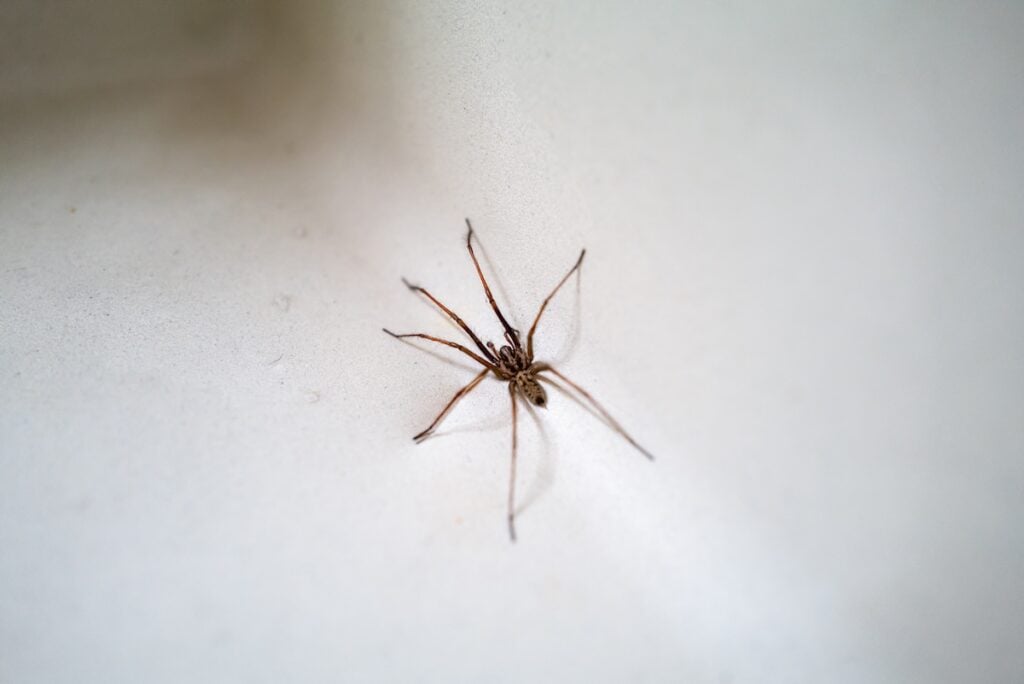
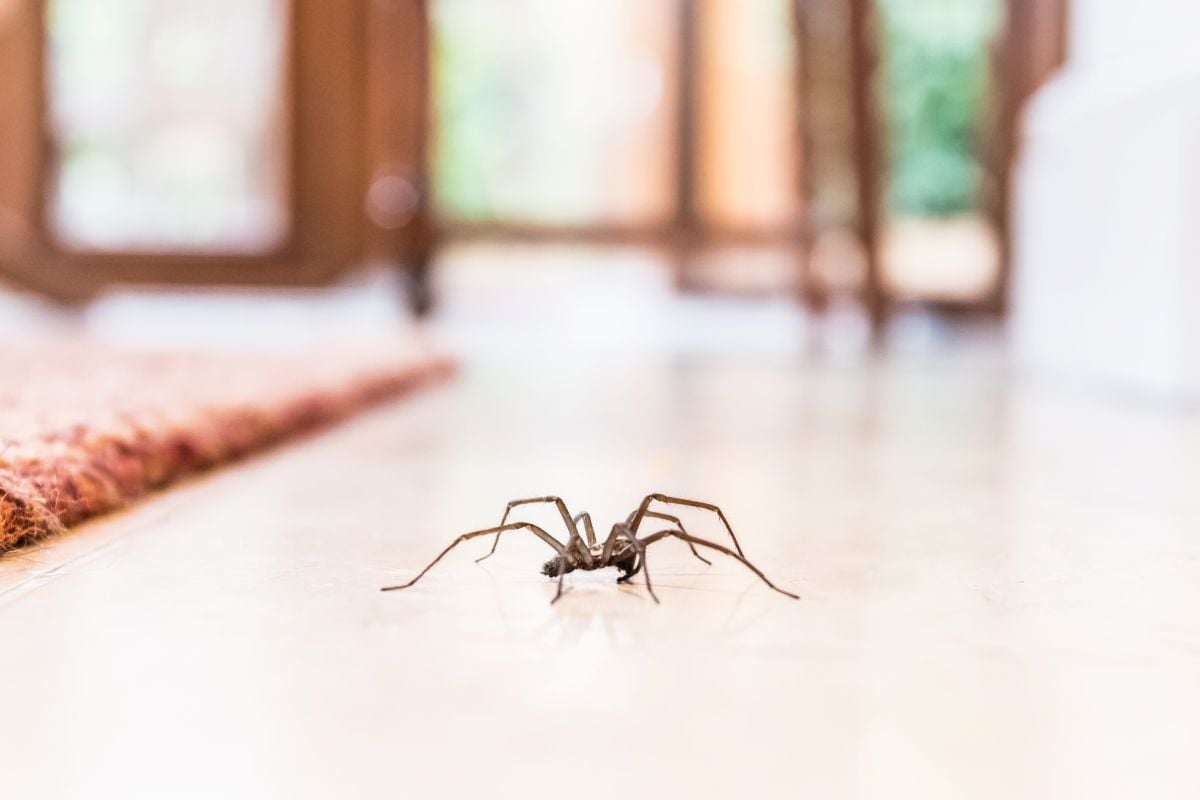
Learning how to get rid of spiders in house environments is essential for homeowners who want a cleaner, safer, and more comfortable living space. While most spiders are not dangerous, their webs, egg sacs, and frequent sightings can be unsettling and often signal other pest issues inside the home. Addressing spider problems requires more than quick fixes, since lasting control depends on prevention, exclusion, and reducing the conditions that attract them.
- Persistent pests: Spiders often return if root causes are not addressed.
- Hidden activity: Many spiders live in areas homeowners rarely inspect.
- Long-term solutions: Proper fixes prevent repeat infestations.
If you’re seeing spiders regularly indoors, this guide explains proven, long-lasting solutions and what homeowners in La Crosse, WI, and surrounding areas can do to keep spiders out for good.
Why Spiders Are Common Inside Homes
Spiders typically enter homes in search of food, shelter, and stable temperatures. They are attracted to places where other insects are present, since insects are their primary food source. Once inside, spiders settle into quiet, undisturbed areas where webs can remain intact.
Homes provide ideal conditions for spiders year-round, especially basements, attics, garages, and storage rooms. Even clean homes can attract spiders if entry points are available and prey insects are present.
Common Reasons Spiders Move Indoors
- Abundant insects: Flies, ants, and other pests attract spiders.
- Shelter: Homes protect spiders from weather and predators.
- Warmth: Indoor temperatures support survival year-round.
- Easy entry: Small gaps allow spiders to slip inside unnoticed.
Understanding these factors is the first step toward lasting spider control.
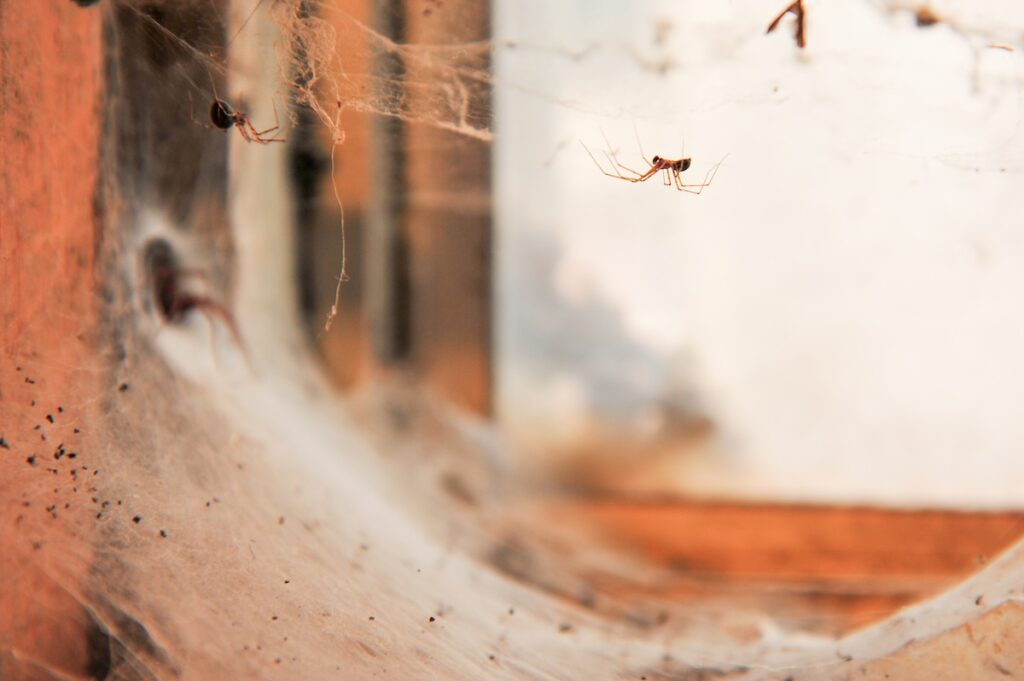
Where Spiders Commonly Hide Indoors
Spiders prefer areas with low traffic, low light, and minimal disturbance. These locations allow them to build webs, lay egg sacs, and hunt insects without interference. Knowing where spiders hide helps homeowners target cleaning and prevention efforts effectively.
Because many of these areas are out of sight, spider populations can grow unnoticed until webs or sightings become frequent.
Typical Spider Hiding Spots
- Basements and crawl spaces: Dark, humid environments.
- Attics: Quiet areas with little activity.
- Corners of ceilings: Ideal for web-building species.
- Behind furniture: Undisturbed spaces near walls.
Focusing on these locations helps reduce spider activity more quickly.
Why Sprays Alone Rarely Work
Many homeowners rely on sprays or DIY remedies when spiders appear, but these solutions rarely offer long-term relief. Sprays may kill visible spiders, but they do not address egg sacs, entry points, or the insects spiders feed on.
Without correcting underlying conditions, new spiders simply replace those that are removed. Long-lasting spider control requires a more comprehensive approach.
Limitations Of Surface Treatments
- Short-term results: Only affect spiders that are directly sprayed.
- Hidden populations: Miss spiders living inside walls or attics.
- Egg survival: Egg sacs remain untouched.
- No prevention: Entry points stay open.
This is why integrated fixes are far more effective.
8 Long-Lasting Fixes To Get Rid Of Spiders In House
The following fixes address spider activity and the conditions that allow them to thrive. Using these methods together provides the most reliable, long-term results.
- Seal Entry Points Around The Home: Spiders enter through small cracks, gaps, and openings around doors, windows, and foundations. Sealing these areas reduces indoor spider activity significantly.
- Reduce Other Insect Populations: Spiders follow food. Controlling flies, ants, and other insects removes the primary reason spiders remain indoors.
- Declutter Storage Areas: Clutter creates hiding spots for spiders and protects webs from disturbance. Reducing clutter limits nesting and web-building opportunities.
- Vacuum Regularly: Vacuuming removes spiders, webs, egg sacs, and insects they feed on. Regular vacuuming is especially effective in corners, baseboards, and storage areas.
- Control Moisture Levels: High humidity attracts insects and spiders. Using dehumidifiers and fixing leaks makes indoor spaces less appealing to pests.
- Adjust Exterior Lighting: Bright outdoor lights attract insects, which then attract spiders. Switching to yellow or warm-toned bulbs reduces insect activity near entry points.
- Maintain Exterior Landscaping: Overgrown plants, stacked firewood, and debris near the home provide shelter for spiders. Keeping vegetation trimmed reduces migration indoors.
- Schedule Professional Spider Treatments: Professional pest control targets spiders, their food sources, and entry points at the same time. This approach delivers long-lasting protection that DIY methods cannot match.
Using these fixes together provides the best defense against recurring spider problems.
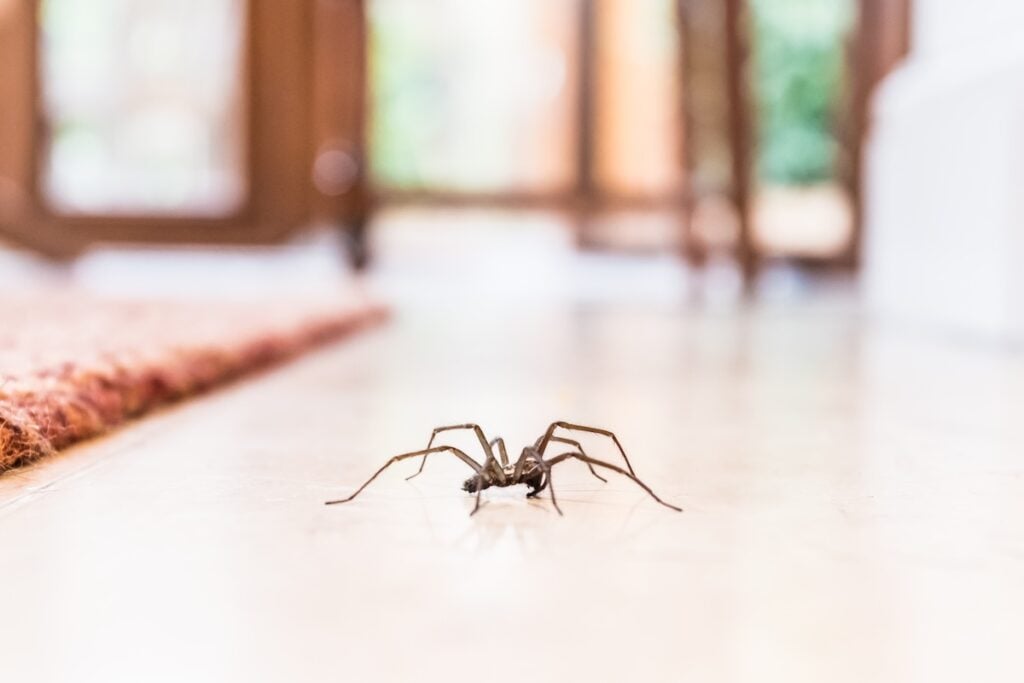
How Seasonal Changes Affect Spider Activity
Spider activity often increases during seasonal transitions, especially in fall when spiders move indoors seeking warmth. Spring and summer also bring increased insect populations, which can draw spiders inside.
Understanding seasonal patterns helps homeowners stay proactive. Preventive steps taken before peak seasons reduce the likelihood of infestations.
Seasons With Higher Spider Activity
- Fall: Spiders migrate indoors as temperatures drop.
- Spring: Increased insects attract spiders.
- Summer: Warm conditions support breeding and egg laying.
Preparing ahead of these seasons improves long-term results.
Health And Comfort Concerns With Indoor Spiders
Although most spiders are not aggressive, their presence can still cause stress and discomfort. Some people experience anxiety, while others worry about bites or allergies related to spider debris.
In rare cases, medically significant species may be present. Inspections help identify risks and ensure appropriate action is taken.
Common Concerns
- Bites: Rare but possible if spiders feel threatened.
- Egg sacs: Can lead to sudden population increases.
- Air quality: Webs and debris contribute to dust buildup.
- Mental stress: Frequent sightings reduce comfort at home.
Reducing spider activity improves both physical and emotional comfort.
Preventing Spiders From Coming Back
Once spider activity is reduced, ongoing prevention keeps them from returning. Consistency is key, as even small gaps or new insect activity can invite spiders back indoors.
Regular maintenance and inspections help catch issues early before spiders become established again.
Ongoing Prevention Tips
- Inspect regularly: Check entry points each season.
- Keep areas clean: Focus on low-traffic spaces.
- Maintain seals: Repair cracks as they appear.
- Monitor insects: Address other pest problems promptly.
These habits support long-term spider control.
When To Call A Professional
If spiders continue to appear despite consistent efforts, professional help is recommended. Some infestations are driven by hidden conditions that require expert identification and treatment.
Professional spider control addresses not only spiders but also the reasons they are present. This comprehensive approach prevents repeat infestations.
Benefits Of Professional Spider Control
- Accurate identification: Determines species and risk level.
- Targeted treatments: Focus on high-activity areas.
- Entry point sealing: Blocks future access.
- Long-term results: Reduces need for repeated treatments.
Prompt Action Pest Control provides expert spider control services for homeowners in La Crosse, WI, and surrounding areas.
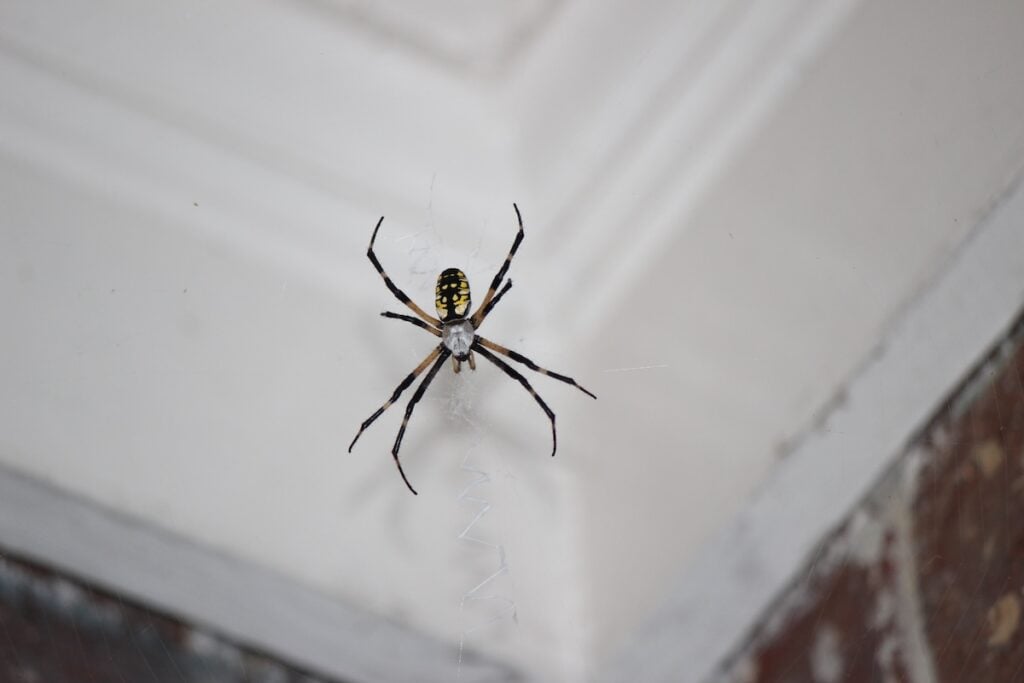
Long-Lasting Spider Control Starts With The Right Fixes
Knowing how to get rid of spiders in house settings requires more than temporary solutions. By sealing entry points, reducing insects, and addressing indoor conditions, homeowners can achieve lasting results.
If spiders are becoming a recurring problem, contact Prompt Action Pest Control today. Our team in La Crosse, WI, and surrounding areas will inspect your home, eliminate spider activity, and implement proven solutions designed to keep your home spider-free long term.
Recent Articles

Protect What Matters Most