




Hornet Vs Wasp: How To Tell The Difference
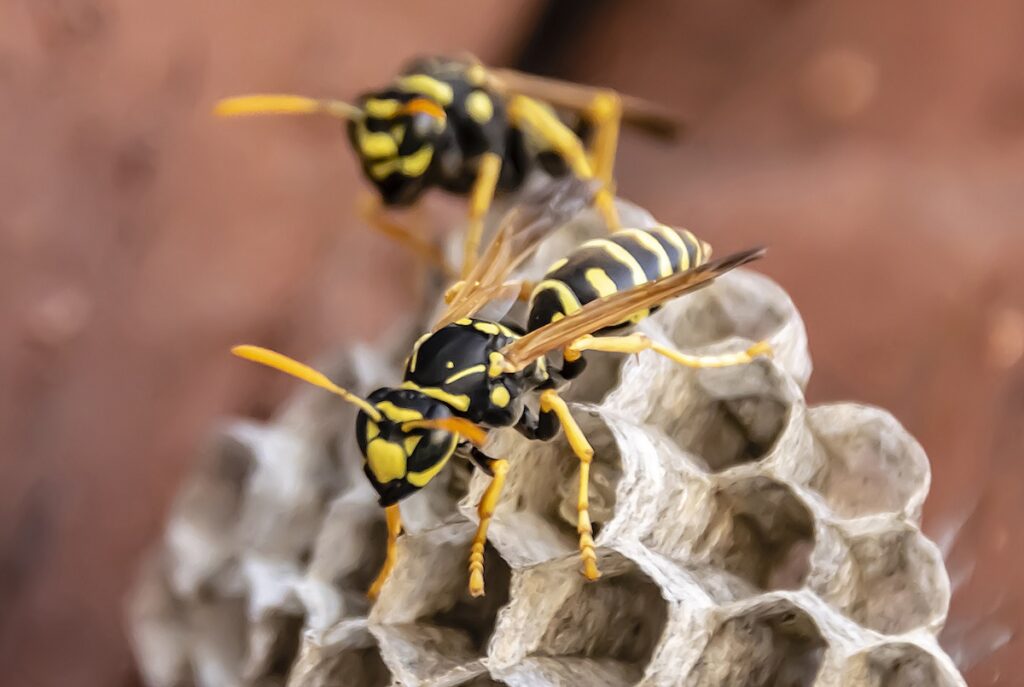
When comparing hornet vs wasp, the differences may seem subtle at first glance, but understanding them is key to proper pest identification and safe removal. Both insects belong to the same family, yet their behavior, appearance, and nesting habits vary in important ways. Knowing what’s buzzing around your property helps you choose the right control method and stay safe from painful stings.
- Similar traits: Both are flying stinging insects that can become aggressive near nests.
- Key differences: Hornets are larger and build enclosed nests, while many wasps are smaller with open comb structures.
- Safety first: Proper identification ensures the best and safest removal method.
If you’ve spotted buzzing activity around your home, this guide will help you understand whether you’re dealing with hornets or wasps and what steps you should take in White Bear Lake, MN, and surrounding areas.
Why Identification Matters
Accurate identification helps you determine the level of threat and how to handle the situation safely. Hornets tend to be highly defensive, while wasps vary from mildly aggressive to extremely territorial depending on the species.
Reasons To Identify Correctly
- Safety: Hornets can deliver stronger stings and often attack in larger numbers.
- Treatment: Control methods differ for aerial nests, ground nests, and wall voids.
- Prevention: Understanding their habits helps avoid recurring problems.
Identifying the insect properly ensures you take the right action without unnecessary risk.
Physical Differences Between Hornets And Wasps
While both insects share similar features, their appearance provides reliable clues. Body size, shape, and color patterns are often the easiest ways to tell the two apart.

Hornet Appearance
- Size: Typically larger than most wasps, often 1 to 1.5 inches long.
- Color: Mostly brown or black with pale yellow or white accents.
- Shape: Rounder abdomen and thicker overall body structure.
- Flight behavior: Slower and more deliberate movement than wasps.
Wasp Appearance
- Size: Usually smaller, around ½ inch, though some species vary.
- Color: Bright yellow-and-black or reddish-brown.
- Shape: Thin “waist” with long dangling legs.
- Flight behavior: Fast, active, and frequently seen around food.
Size and coloring are generally the easiest features to spot from a safe distance.
Nesting Differences
Nest style is one of the clearest indicators of whether you’re dealing with hornets or wasps. Once you observe the structure and location, you can quickly determine the species.
Hornet Nests
- Structure: Large, enclosed, papery nests shaped like a football.
- Location: High in trees, under roofs, or in attics.
- Entry hole: Typically a single opening near the bottom.
Wasp Nests
- Structure: Open combs resembling honeycomb without a covering.
- Location: Under eaves, inside sheds, or in the ground (yellowjackets).
- Appearance: Umbrella-shaped for paper wasps; hidden for ground-nesting species.
Identifying the type of nest helps you gauge risk and determine whether professional removal is necessary.
Behavioral Differences
While both insects are capable of stinging, their behavior and day-to-day activity vary. Observing how they behave around your home can provide quick clues.
Hornet Behavior
- Highly defensive: Will aggressively swarm when nests are disturbed.
- Less scavenging: Rarely go after human food or trash.
- Territory-focused: Remain close to nest areas.
Wasp Behavior
- Food-driven: Often hover around yards, outdoor meals, and garbage.
- More active: Fast fliers constantly searching for food sources.
- Wide variety: Some are solitary, while others form large colonies.
If the insects are hovering near your picnic table, they are almost certainly wasps—not hornets.

5 Main Differences To Look For
Understanding these primary differences helps homeowners distinguish between the two quickly and safely.
1. Body Size And Shape
Hornets are larger, bulkier, and rounder, while wasps are slender with narrow waists and long legs. Size alone often reveals the species from several feet away.
2. Nest Construction
Hornets build enclosed, football-shaped nests protected by a papery shell. Wasps usually create exposed combs or ground nests, depending on the species.
3. Behavior Around Humans
Wasps frequently hover near food, drinks, and garbage, making them common around outdoor gatherings. Hornets avoid these areas but defend their nests fiercely when threatened.
4. Color And Markings
Hornets have muted, darker colors with brown and black tones. Most wasps, especially yellowjackets and paper wasps, have bright yellow-and-black patterns.
5. Level Of Aggression
While both insects can sting repeatedly, hornets typically respond with more intense group attacks. Some wasps, especially yellowjackets, also become highly aggressive when provoked.
Knowing these differences helps you decide whether immediate professional removal is needed.
The Role These Insects Play In The Environment
Not all wasps or hornets are harmful. In fact, many species support ecosystems by controlling other pests and aiding in pollination.
Benefits Of Wasps
- Natural pest control: Feed on flies, caterpillars, and spiders.
- Pollination: Visit flowers for nectar.
- Ecosystem balance: Reduce harmful insect populations.
Limited Benefits Of Hornets
Hornets do prey on other insects, but their aggressive behavior and large nests near homes typically outweigh their advantages in residential environments.
Homeowners in White Bear Lake, MN, and surrounding areas often benefit from allowing beneficial wasps to remain while removing aggressive or dangerous nests.
Dangers Of Disturbing Hornets And Wasps
Both insects sting when threatened, but hornets are particularly dangerous due to their fast defensive swarming. Disturbing a nest even accidentally can lead to multiple painful stings within seconds.
Risks To Be Aware Of
- Multiple stings: Both species can sting repeatedly.
- Severe reactions: Allergies can lead to dangerous swelling or anaphylaxis.
- Hidden nests: Underground and attic nests increase accidental encounters.
Because of these risks, homeowners should avoid approaching nests closely.
Prevention Tips For Homeowners
Simple preventive measures can significantly reduce hornet and wasp activity around your home.
Helpful Prevention Methods
- Seal entry points: Close cracks around roofs, vents, and siding.
- Secure garbage: Use tightly sealed lids to reduce food attraction.
- Trim vegetation: Keep branches and shrubs away from home exteriors.
- Check early: Inspect structures and outdoor spaces for early-season nest building.
Preventing the insects from settling is always easier than removing an established colony.

When To Call A Professional
Because both hornets and wasps can be dangerous, especially when nests are large or hard to reach, professional removal is widely recommended.
Benefits Of Expert Removal
- Accurate identification: Ensures the correct removal strategy.
- Protective equipment: Reduces risk of stings during treatment.
- Safe nest removal: Eliminates the problem without unnecessary damage.
- Future prevention: Professionals can apply protective treatments to stop new nests from forming.
Prompt Action Pest Control provides fast, safe, and effective hornet and wasp removal for homeowners across White Bear Lake, MN, and surrounding areas.
Stay Safe And Informed
Understanding the key differences in hornet vs wasp appearance and behavior helps you make safe decisions when these insects appear around your home. With proper identification and fast action, you can avoid dangerous encounters and keep your property protected.
If you’ve discovered a nest or heavy insect activity, contact Prompt Action Pest Control today. Our trained technicians in White Bear Lake, MN, and surrounding areas will identify, remove, and prevent stinging insect infestations using safe, proven methods that keep your home secure year-round.
Recent Articles

Protect What Matters Most