




Do Squirrels Hibernate In The Winter? (All You Need To Know)
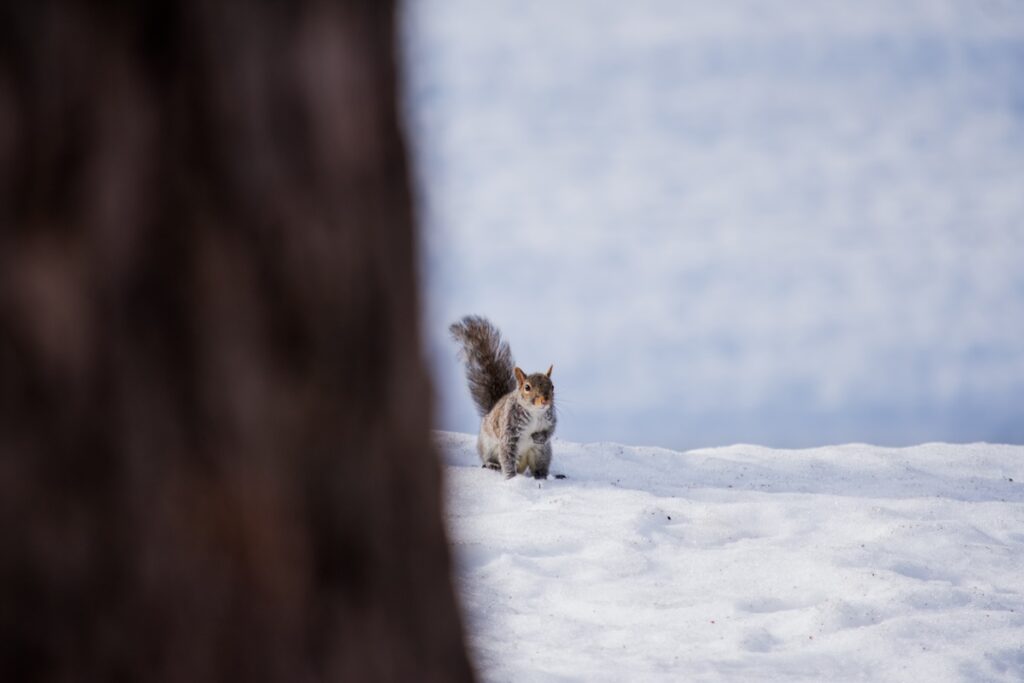
Many homeowners ask “do squirrels hibernate in the winter” when they suddenly stop seeing activity around their yard or notice noises coming from attics during colder months. Unlike some animals, squirrels use a mix of survival strategies to get through winter, which often keeps them active near homes even in freezing conditions. Understanding these behaviors helps explain why squirrels remain a year-round nuisance for many homeowners.
- Seasonal behavior: Squirrels adjust activity levels rather than fully disappearing.
- Indoor shelter: Homes provide warmth and protection during winter.
- Food storage: Squirrels rely heavily on cached food supplies.
If you’re hearing scratching sounds or spotting squirrels near your roofline during winter, this guide explains what they’re doing and what it means for homeowners in Bloomington, MN, and surrounding areas.
What Hibernation Really Means
Hibernation is a state where animals drastically slow their heart rate, breathing, and metabolism to conserve energy during cold months. True hibernators, such as bats and groundhogs, remain dormant for extended periods without eating. Squirrels, however, do not follow this same pattern, which is why they are still encountered during winter.
Understanding the difference between true hibernation and other survival behaviors helps clarify why squirrels continue to cause problems for homeowners year-round. Their winter habits are more flexible and adaptable than those of true hibernators.
True Hibernation Vs Winter Survival
- True hibernation: Long periods of deep sleep with no activity.
- Reduced activity: Short rest periods combined with active feeding.
- Energy conservation: Lower activity levels rather than full dormancy.
- Environmental dependence: Behavior changes based on temperature and food availability.
Squirrels fall into the reduced-activity category rather than true hibernation.

Do All Squirrels Hibernate?
Different squirrel species behave differently during winter, which can affect how often homeowners see or hear them. While some species may remain mostly hidden, others stay surprisingly active even during snowstorms. Knowing which type you’re dealing with helps set realistic expectations for winter activity.
Tree squirrels and flying squirrels are the most common types found near homes. Both species rely on shelter and stored food rather than true hibernation to survive cold months.
Common Squirrel Species And Winter Behavior
- Tree squirrels: Remain active year-round with reduced outdoor movement.
- Flying squirrels: More nocturnal but still active throughout winter.
- Ground squirrels: Some species do enter true hibernation.
- Urban squirrels: Adapt easily to human structures for warmth.
Most nuisance squirrel problems in homes involve species that stay active in winter.
How Squirrels Survive Cold Weather
Squirrels prepare for winter long before temperatures drop. Their survival depends on food storage, shelter, and insulation rather than long-term dormancy. These preparations often bring them closer to homes as winter approaches.
Squirrels grow thicker fur and rely on nests to conserve heat. When outdoor shelter is limited, attics, soffits, and wall voids become attractive alternatives.
Winter Survival Strategies
- Food caching: Storing nuts and seeds throughout fall.
- Nest building: Creating dens from leaves, insulation, or debris.
- Thick fur growth: Provides insulation against cold temperatures.
- Group nesting: Sharing nests to retain warmth.
These behaviors explain why squirrels may suddenly appear inside structures during winter.
Where Squirrels Go During Winter
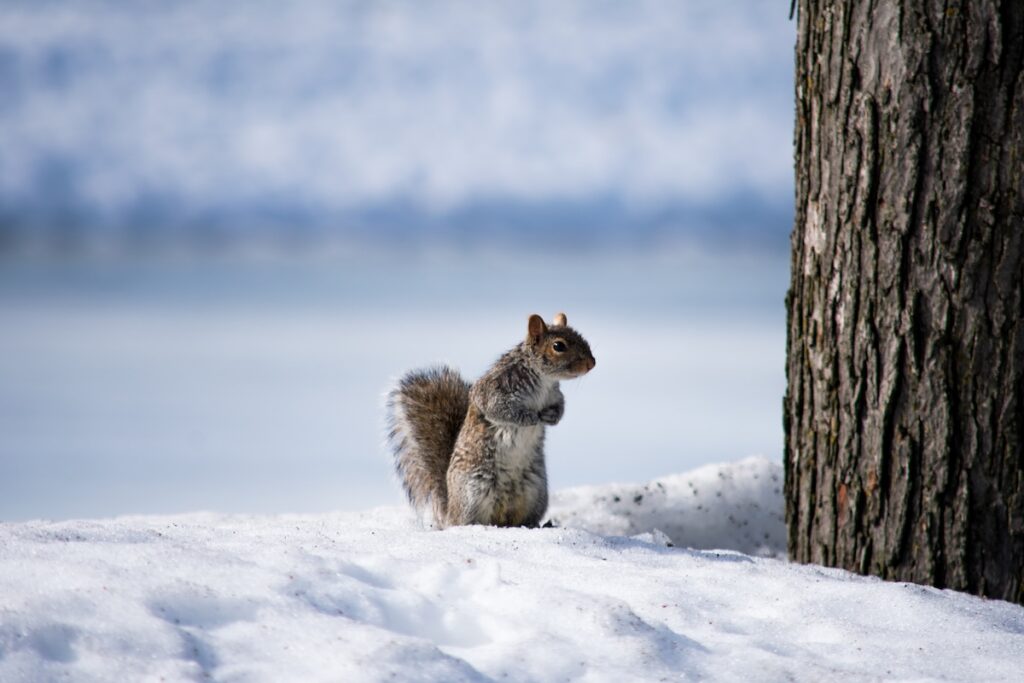
Squirrels do not disappear when winter arrives. Instead, they retreat to well-protected shelters where they rest between feeding periods. Homes often provide ideal conditions for this behavior.
During cold snaps, squirrels may stay inside nests for days at a time, emerging only when temperatures rise slightly. This pattern can give the impression they have hibernated, even though they remain active.
Common Winter Shelter Locations
- Tree cavities: Natural holes offer insulation and protection.
- Leaf nests: Built high in trees for warmth.
- Attics: Warm, undisturbed spaces near food sources.
- Wall voids: Safe areas shielded from weather and predators.
Homes in Bloomington, MN, and surrounding areas frequently experience winter squirrel activity due to these shelter-seeking behaviors.
Why Squirrels Enter Homes In Winter
As natural food sources become harder to access, squirrels look for alternative shelter and warmth. Homes provide steady temperatures and protection from snow, ice, and predators. Once a squirrel gains access, it may remain inside for the entire season.
Even small openings near rooflines or soffits are enough for squirrels to enter. Their persistence and chewing ability make them difficult to keep out without proper exclusion.
Common Reasons For Indoor Activity
- Warmth: Indoor spaces prevent exposure to freezing temperatures.
- Protection: Attics shield squirrels from predators.
- Food access: Nearby bird feeders or stored items attract them.
- Safe nesting: Insulation provides ideal nesting material.
These factors make winter one of the most common times for indoor squirrel problems.
5 Key Winter Squirrel Behaviors
Understanding what squirrels do during winter helps homeowners recognize warning signs and respond appropriately. These behaviors often explain the noises and damage discovered during colder months.
- Reduced Daytime Activity: Squirrels limit outdoor movement during extreme cold but do not fully stop activity. They emerge during warmer periods to feed and check food caches.
- Increased Indoor Nesting: Squirrels are more likely to enter attics, chimneys, and soffits during winter to escape harsh weather conditions.
- Persistent Chewing: To maintain access points, squirrels chew wood, vents, and fascia boards, causing structural damage.
- Loud Noises In Attics: Scratching, rolling, and scurrying sounds are common as squirrels move within nesting areas.
- Territorial Behavior: Squirrels defend nesting sites aggressively, especially during winter when shelter is limited.
Recognizing these behaviors early can help prevent extensive damage.
Risks Of Squirrels In Your Home During Winter
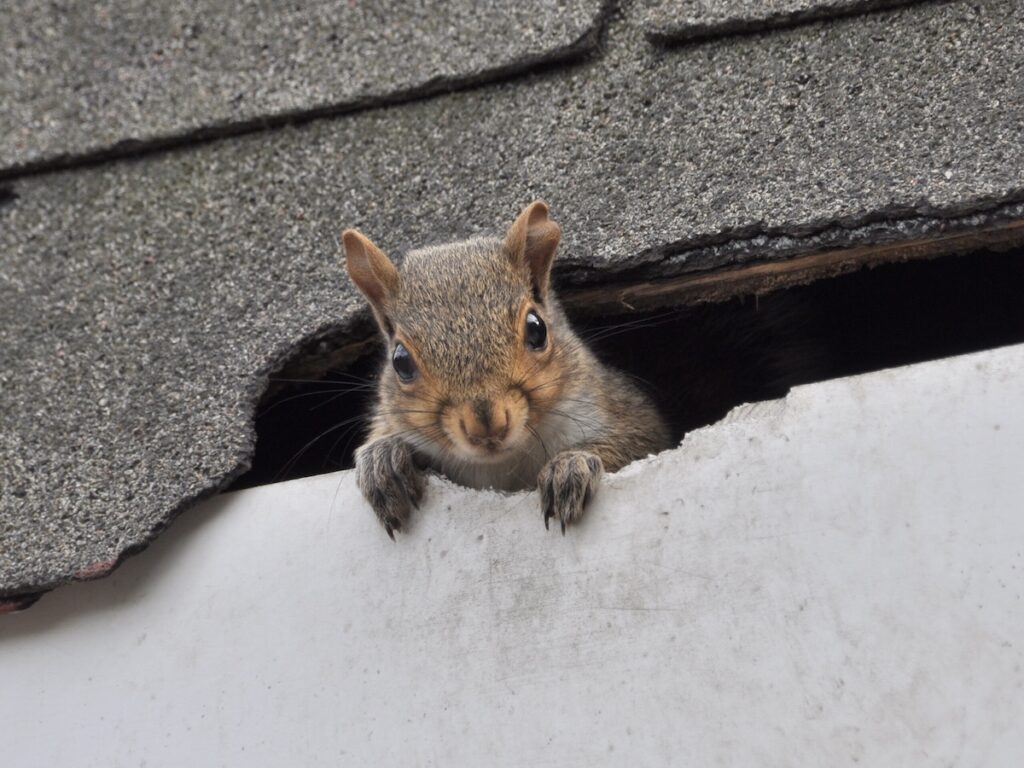
While squirrels may seem harmless, their presence indoors creates serious risks. Winter nesting often leads to prolonged damage because squirrels remain hidden for months.
Electrical wiring is a major concern, as chewing can lead to fire hazards. Insulation damage, contamination, and structural wear are also common problems.
Potential Risks
- Fire hazards: Chewed wiring increases fire risk.
- Structural damage: Gnawed wood weakens framing.
- Insulation loss: Nesting materials reduce energy efficiency.
- Health concerns: Droppings and parasites contaminate indoor spaces.
Addressing winter infestations quickly reduces long-term repair costs.
How To Prevent Squirrels From Entering In Winter
Prevention focuses on eliminating access points and reducing attractants before temperatures drop. Early preparation makes a significant difference in keeping squirrels out.
Prevention Tips
- Seal roof gaps: Repair soffits, vents, and fascia boards.
- Trim branches: Keep tree limbs away from rooflines.
- Secure vents: Install chew-resistant vent covers.
- Remove attractants: Limit bird feeders near the home.
Consistent maintenance helps prevent repeat infestations year after year.
When To Call A Professional
Winter squirrel problems often require professional intervention due to difficult access points and aggressive behavior. DIY removal can be dangerous and ineffective, especially when squirrels are nesting inside attics or walls.
Professional wildlife control ensures safe removal, damage repair, and proper exclusion to prevent re-entry.
Benefits Of Professional Squirrel Control
- Safe removal: Protects homeowners from bites and falls.
- Damage assessment: Identifies structural and insulation damage.
- Exclusion work: Seals entry points permanently.
- Long-term prevention: Stops future infestations.
Prompt Action Pest Control provides expert squirrel control services for homeowners in Bloomington, MN, and surrounding areas, helping keep homes protected throughout winter.
Understanding Winter Squirrel Activity
Knowing the answer to do squirrels hibernate in the winter helps homeowners understand why squirrel activity does not disappear when temperatures drop. Instead of hibernating, squirrels adapt by reducing activity and seeking shelter, often inside homes.
If you’re hearing noises, noticing damage, or want to prevent winter wildlife issues, contact Prompt Action Pest Control today. Our team in Bloomington, MN, and surrounding areas will inspect your home, remove squirrels safely, and secure entry points to keep your property protected all winter long.
Recent Articles

Protect What Matters Most