




Do Mice Hibernate? Winter Activity And Home Entry Explained
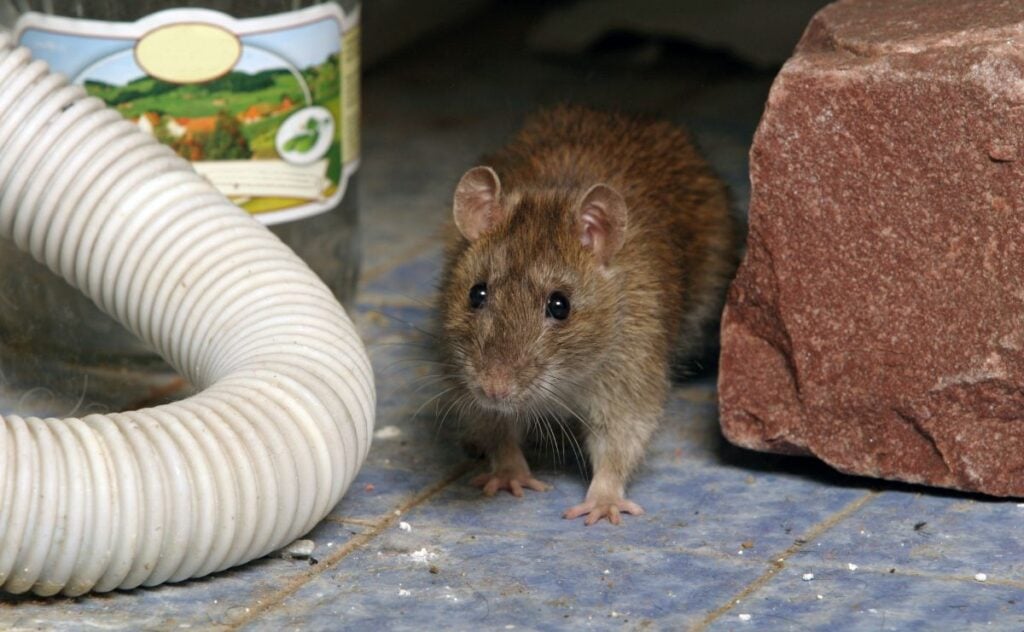
Many homeowners wonder “do mice hibernate when temperatures drop” and why does rodent activity seems to increase indoors during winter. Unlike some animals, mice remain active year-round and often become a bigger problem once cold weather arrives. Understanding how mice behave in winter explains why they enter homes and what you can do to stop them.
- Year-round activity: Mice do not hibernate in winter.
- Cold-weather movement: Winter drives mice indoors.
- Higher risk season: Home invasions increase during colder months.
If you are noticing rodent activity as temperatures fall, this guide explains what homeowners in Bloomington, MN, and surrounding areas should know about winter mouse behavior.
Do Mice Hibernate In The Winter?
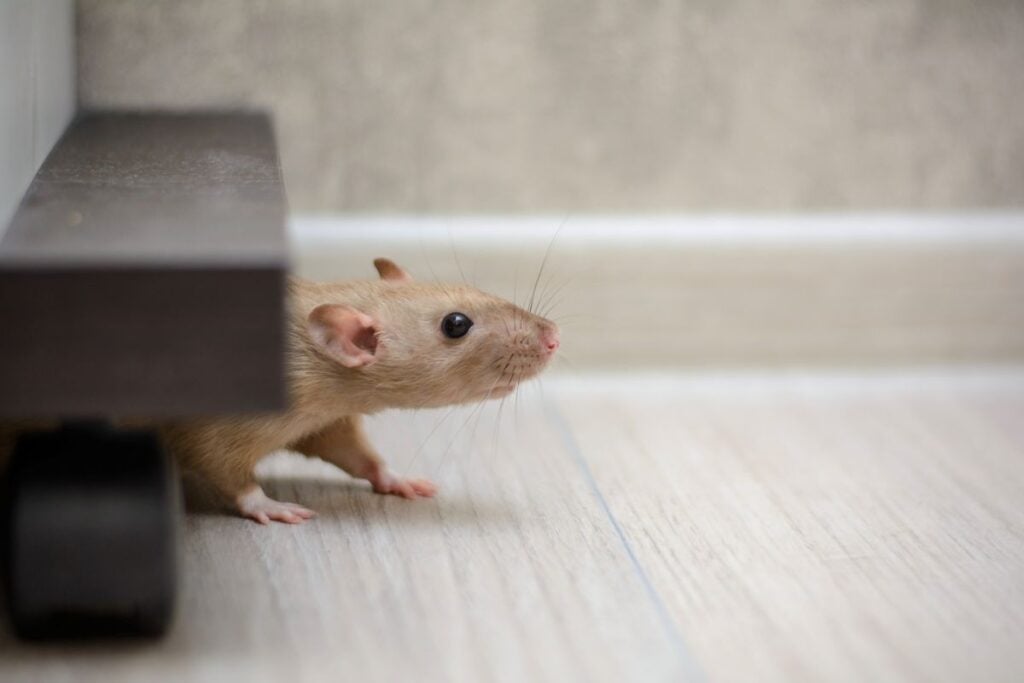
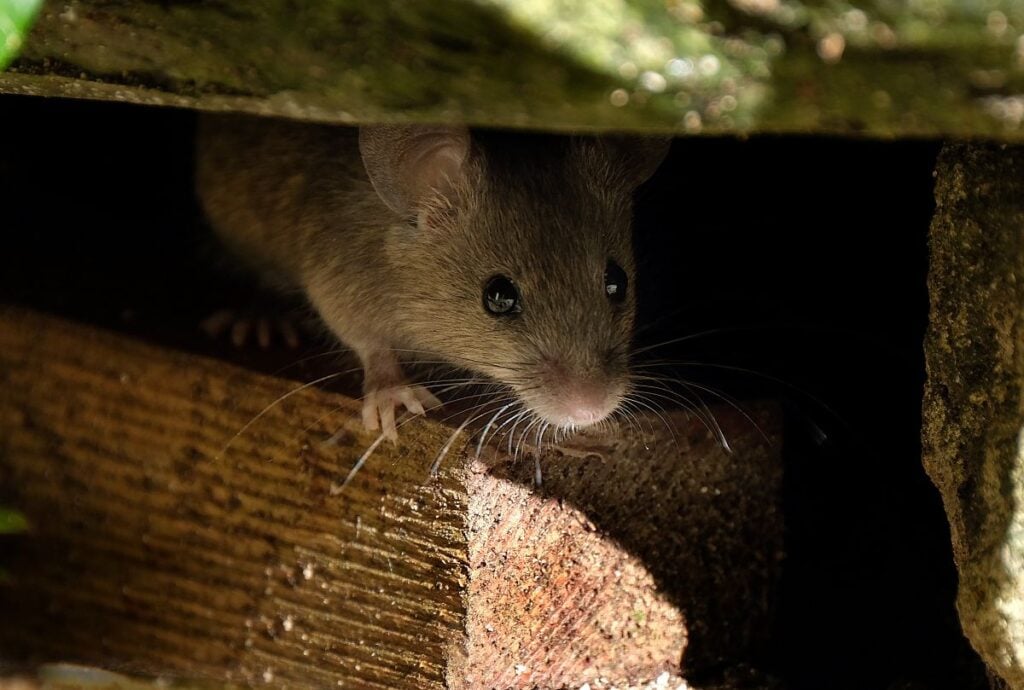
Mice do not hibernate. Instead, they remain active throughout the winter months and continue searching for food, water, and shelter. When outdoor conditions become harsh, mice rely on warmer environments to survive.
Homes provide ideal winter shelter with stable temperatures, nesting materials, and access to food. This is why mouse activity often increases indoors during late fall and winter rather than decreasing.
Why Mice Stay Active
- No hibernation cycle: Mice cannot slow their metabolism like hibernating animals.
- Constant feeding needs: They must eat frequently to survive.
- Cold sensitivity: Low temperatures increase energy demands.
- Shelter dependence: Warm spaces are essential in winter.
This behavior explains why winter infestations are so common.
How Winter Changes Mouse Behavior
As temperatures drop, mice change how and where they move. Outdoor food sources become scarce, and exposure to cold becomes dangerous. These pressures push mice closer to human structures.
During winter, mice become more persistent and resourceful. They will exploit even the smallest openings to gain access to warmth and shelter.
Winter Behavior Shifts
- Increased indoor entry attempts: Homes become priority targets.
- Expanded nesting: Mice build larger nests for insulation.
- Longer indoor stays: Once inside, mice remain through winter.
- Higher damage risk: Chewing and contamination increase.
These shifts make early prevention critical.
Why Homes Are Ideal Winter Shelters For Mice
Homes offer everything mice need to survive winter conditions. From insulation to stored food, residential structures are far more attractive than outdoor shelters once cold sets in.
Basements, wall voids, attics, and garages are especially appealing because they are undisturbed and warm.
What Attracts Mice Indoors
- Stable warmth: Heating systems create ideal temperatures.
- Food access: Pantries, trash, and pet food provide nutrition.
- Nesting materials: Insulation, paper, and fabric are readily available.
- Protection: Homes shield mice from predators and weather.
This combination makes winter infestations difficult to avoid without preparation.
Common Entry Points Mice Use In Winter
Mice can squeeze through openings as small as a dime. As winter approaches, they aggressively search for access points around homes.
Even well-maintained homes can have vulnerabilities that go unnoticed until mice exploit them.
Typical Winter Entry Points
- Foundation cracks: Small gaps near ground level.
- Utility penetrations: Areas around pipes and cables.
- Garage doors: Gaps along seals and thresholds.
- Rooflines: Openings near vents and soffits.
Homes in Bloomington, MN, and surrounding areas often see increased entry attempts during the first cold snap.
8 Reasons Mice Become A Bigger Problem In Winter
This section explains why mouse activity intensifies during winter and what makes cold weather such a high-risk time for infestations.
1. Lack Of Outdoor Food Sources
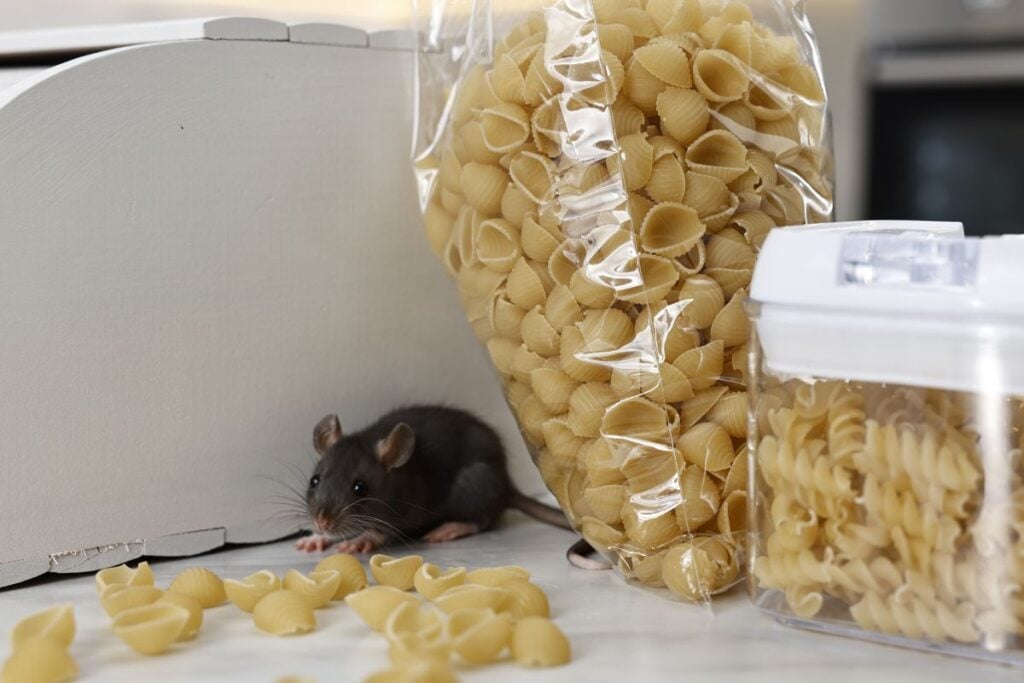
As snow covers the ground, natural food sources disappear. Mice must find alternative nutrition to survive.
- Scarce seeds: Snow limits access to food.
- Increased foraging: Mice travel farther to eat.
- Indoor attraction: Homes provide reliable food.
Food scarcity is one of the biggest drivers of winter infestations.
2. Need For Consistent Warmth
Mice cannot tolerate prolonged exposure to cold temperatures. Warm indoor environments are essential for survival.
- Heat dependence: Cold increases energy loss.
- Indoor nesting: Walls and attics trap warmth.
- Winter survival: Warmth keeps mice alive.
This need makes homes irresistible during winter.
3. Increased Nesting Activity
Winter requires better insulation, so mice build larger nests using available materials inside homes.
- Insulation theft: Mice pull material into nests.
- Hidden nests: Built inside walls and ceilings.
- Population growth: Nesting supports breeding.
Nesting causes damage that often goes unnoticed.
4. Higher Breeding Potential Indoors
While breeding slows outdoors, indoor environments allow mice to continue reproducing.
- Stable conditions: Warmth supports breeding.
- Rapid reproduction: Populations grow quickly.
- Hidden litters: Babies remain undetected.
This leads to escalating infestations over winter.
5. Reduced Predators Indoors
Indoors, mice are protected from natural predators that would normally control populations.
- Predator-free zones: Walls and attics offer safety.
- Longer survival: Fewer threats increase lifespan.
- Population stability: Numbers grow unchecked.
Homes unintentionally provide refuge.
6. Greater Chewing And Damage
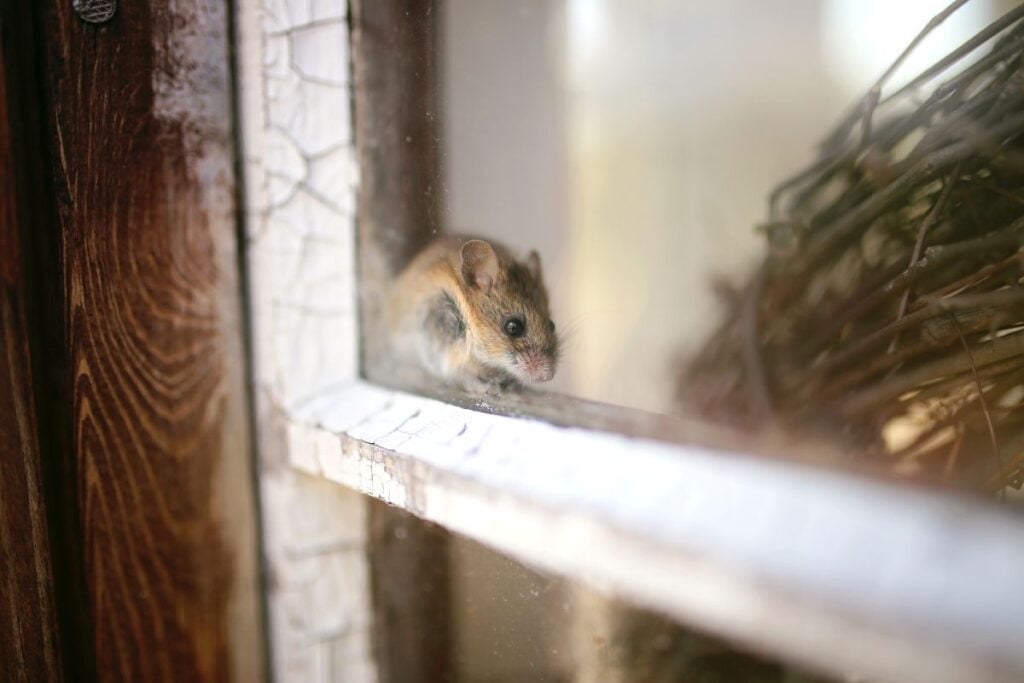
Mice chew constantly to control tooth growth, and winter nesting increases this behavior.
- Wire chewing: Creates fire hazards.
- Structural damage: Gnawed wood and insulation.
- Repair costs: Damage accumulates quickly.
Winter infestations are often the most destructive.
7. Limited Outdoor Movement
Cold limits outdoor travel, so mice stay inside once they gain entry.
- Long-term occupancy: Mice remain indoors all winter.
- Expanded nesting zones: Infestations spread through walls.
- Delayed detection: Activity stays hidden longer.
This makes removal more difficult later.
8. Delayed Homeowner Detection
Winter conditions reduce inspections and outdoor maintenance, allowing mice to go unnoticed.
- Reduced attic access: Homeowners avoid cold spaces.
- Hidden activity: Damage continues unseen.
- Larger infestations: Problems worsen over time.
Early detection is critical to prevention.
Signs Mice Are Active During Winter
Mouse activity does not stop in winter, but signs may be subtle. Recognizing them early helps prevent serious damage.
Sounds are often more noticeable when homes are quieter.
Common Winter Warning Signs
- Scratching noises: Especially at night.
- Droppings: Found near food or nesting areas.
- Gnaw marks: On packaging or wiring.
- Odors: Musty smells from nests or urine.
Any of these signs should prompt action.
Why DIY Winter Mouse Control Often Fails
Cold-weather mouse problems are rarely solved with traps alone. DIY methods often miss nests and entry points.
Without sealing access points, new mice continue entering throughout winter.
Limitations Of DIY Control
- Missed entry points: Gaps remain open.
- Hidden nests: Traps catch only a few mice.
- Ongoing damage: Chewing continues.
- Recurring infestations: Problems return each winter.
Professional solutions address the root cause.
How To Prevent Winter Mouse Entry
Prevention is most effective when done before winter arrives, but action at any time helps reduce risk.
Combining exclusion with sanitation provides the best results.
Winter Prevention Tips
- Seal gaps: Close openings around foundations and utilities.
- Inspect garages: Repair door seals.
- Store food securely: Use airtight containers.
- Reduce clutter: Eliminate nesting materials.
These steps reduce indoor appeal.
When To Call A Professional
Winter mouse infestations often require professional expertise due to hidden nests and extensive damage. Professionals identify entry points, remove mice safely, and prevent re-entry.
Prompt intervention prevents fire hazards and structural damage.
Benefits Of Professional Mouse Control
- Thorough inspection: Identifies nests and access points.
- Safe removal: Protects health and property.
- Exclusion services: Stops future entry.
- Long-term protection: Prevents repeat infestations.
Prompt Action Pest Control provides expert mouse control services for homeowners in Bloomington, MN, and surrounding areas.
Winter Is Peak Season For Mouse Problems
Understanding the answer to do mice hibernate explains why winter is one of the most active times for infestations. Mice remain active year-round and aggressively seek shelter inside homes when temperatures drop.
If you suspect mouse activity this winter, contact Prompt Action Pest Control today. Our team in Bloomington, MN, and surrounding areas will inspect your home, remove mice safely, and implement proven solutions to keep your property protected all winter long.
Recent Articles

Protect What Matters Most