




Can Fleas Live In Human Hair? (6 Signs You Need To Be Aware Of)

Many homeowners wonder, “Can fleas live in human hair?” when they discover itchy bites or see small insects hopping around. While fleas prefer pets, they can still bite humans and occasionally cling to hair or clothing when searching for a blood meal. Understanding how fleas behave, where they hide, and what signs to look for helps you protect your home and family from a stubborn infestation.
- Primary hosts: Fleas rely on animals for survival.
- Occasional contact: Fleas may cling to human hair temporarily.
- Fast reproduction: Infestations grow quickly if not treated properly.
If you suspect flea activity in your home, this guide explains the symptoms to watch for and how to eliminate fleas effectively in Eden Prairie, MN, and surrounding areas.
Why Fleas Prefer Pets Over Humans
Fleas thrive on animals because their fur provides warmth, shelter, and easy access to skin. Human hair is much less suitable, making long-term survival unlikely. However, fleas may still jump onto humans when populations grow or when pets are not available. Understanding why animals are the primary target gives you a clearer picture of how infestations spread.
Key Reasons Fleas Target Pets
- Warm environment: Fur provides insulation and stable temperatures.
- Easier feeding: Fleas prefer the thin skin of cats and dogs.
- Reproduction: Eggs fall off pets into bedding, carpets, and furniture.
- Mobility: Pets move throughout the home, spreading flea life stages.
Because fleas rely heavily on pets, treating both animals and indoor spaces is essential for full elimination.

How Fleas Behave Around Humans
Fleas can bite humans and may briefly cling to hair, clothing, or bedding. They typically do this when searching for a host or when populations become overwhelming. While they cannot live long-term on people, their bites can still cause discomfort and irritation. Knowing how fleas interact with humans helps you identify early warning signs.
How Fleas Interact With People
- Temporary contact: Fleas may hop onto hair or clothing.
- Biting behavior: They bite ankles, legs, and exposed skin.
- Poor survival: Human hair is not a suitable long-term environment.
- Fast movement: Fleas move quickly, making them difficult to spot.
Fleas are opportunistic and will bite humans if given the chance, especially during larger infestations.
6 Signs Fleas May Be In Or Around Human Hair
These signs do not always mean fleas are living in your hair, but they often suggest fleas are present in your home. Recognizing these clues early allows for faster and more effective treatment.
1. Itchy Bites Around The Neck Or Hairline
Flea bites most commonly appear on ankles and legs, but bites near the hairline may indicate that fleas have hopped higher onto your body. Multiple small, red, itchy bumps often appear in clusters.
2. Feeling Something Moving In Your Hair
A crawling or tickling sensation may occur if a flea briefly jumps into your hair. Fleas move quickly, so this sensation may be brief, but it is a sign of nearby activity.
3. Seeing Small Dark Insects On Skin Or Clothing
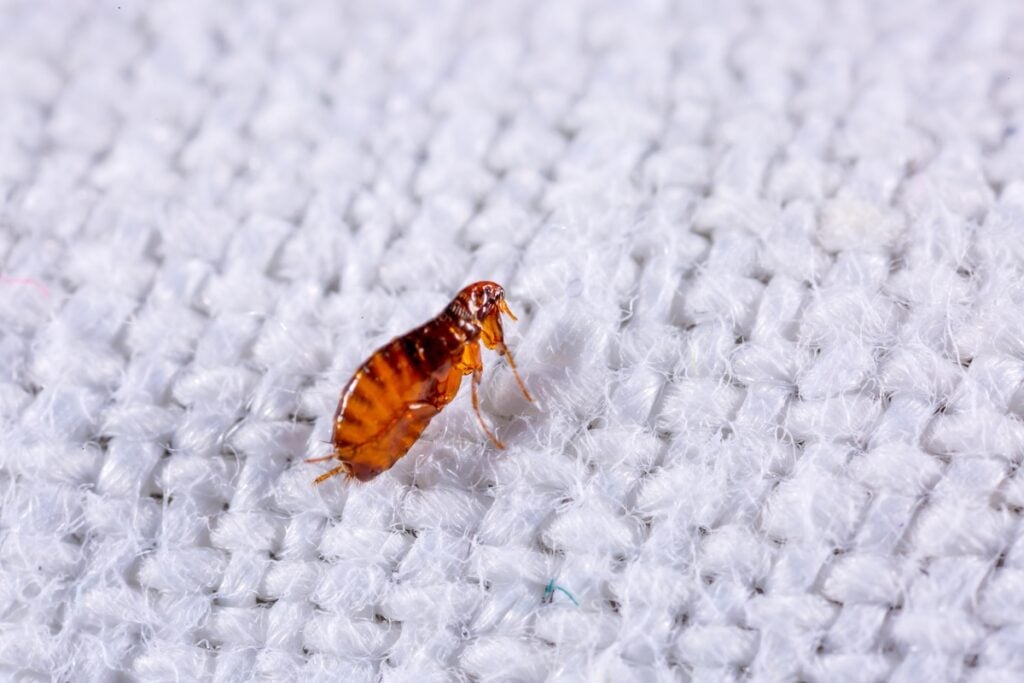
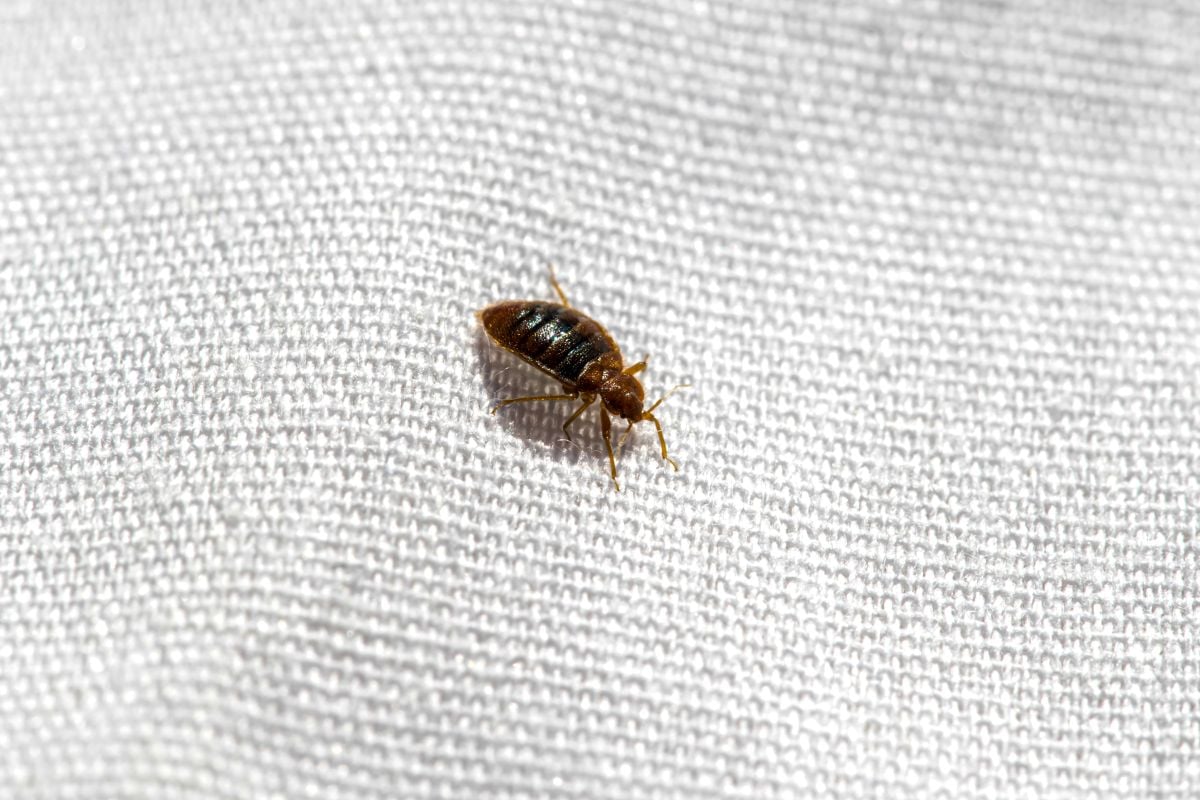
Fleas are tiny and dark brown, often mistaken for specks of dirt until they hop. If you see small insects on your clothing, bedding, or scalp area, a flea inspection is needed.
4. Red Bumps On The Scalp Or Upper Body
Although uncommon, flea bites can appear on the scalp or upper body when infestations are severe. These bites usually appear in small clusters and may cause intense itching.
5. Flea Dirt On Your Pillow Or Shoulders
Flea dirt looks like tiny black pepper-like specks. When placed on a damp tissue, it may turn red due to digested blood. Finding these specks may indicate fleas have come into contact with bedding or clothing.
6. Pets Showing Heavy Flea Activity
If pets are scratching constantly or you see fleas in their fur, there is a higher chance fleas may have momentarily hopped onto humans. Fleas spread quickly throughout bedding, carpets, and furniture when untreated.
Identifying these signs early helps prevent the infestation from spreading throughout your home.
Why Fleas Rarely Live In Human Hair
Even if fleas come into contact with humans, their ability to live and reproduce on human hair is extremely limited. The structure of human hair, combined with body temperature and grooming habits, makes it an unsuitable habitat. Understanding these limitations helps ease concerns about long-term infestation on people.
Reasons Fleas Avoid Human Hair
- Different hair texture: Human hair lacks the density fleas need for hiding.
- Body temperature: Humans operate at a higher and less stable temperature.
- Frequent washing: Showering removes fleas before they can settle.
- Feeding difficulty: Human skin is thicker and harder to penetrate.
Fleas may bite humans, but they cannot survive long or reproduce without an animal host.
How To Remove Fleas From Yourself And Your Home
Even though fleas rarely stay in human hair, bites or movement sensations still mean fleas are present somewhere nearby. Addressing both personal care and home treatment ensures all stages of the flea lifecycle are removed. Proper treatment prevents recurring infestations.
Personal Care Steps
- Shower thoroughly: Warm water and soap remove fleas and eggs.
- Use a fine-tooth comb: Helps remove debris or stray fleas.
- Wash clothing: Launder clothes and bedding in hot water.
- Soothe bites: Apply anti-itch creams or cold compresses.
Home Treatment Steps
- Clean pet bedding: Wash and vacuum areas where pets rest.
- Vacuum carpets: Remove larvae and eggs hiding in fibers.
- Wash linens: Launder blankets, pillows, and rugs regularly.
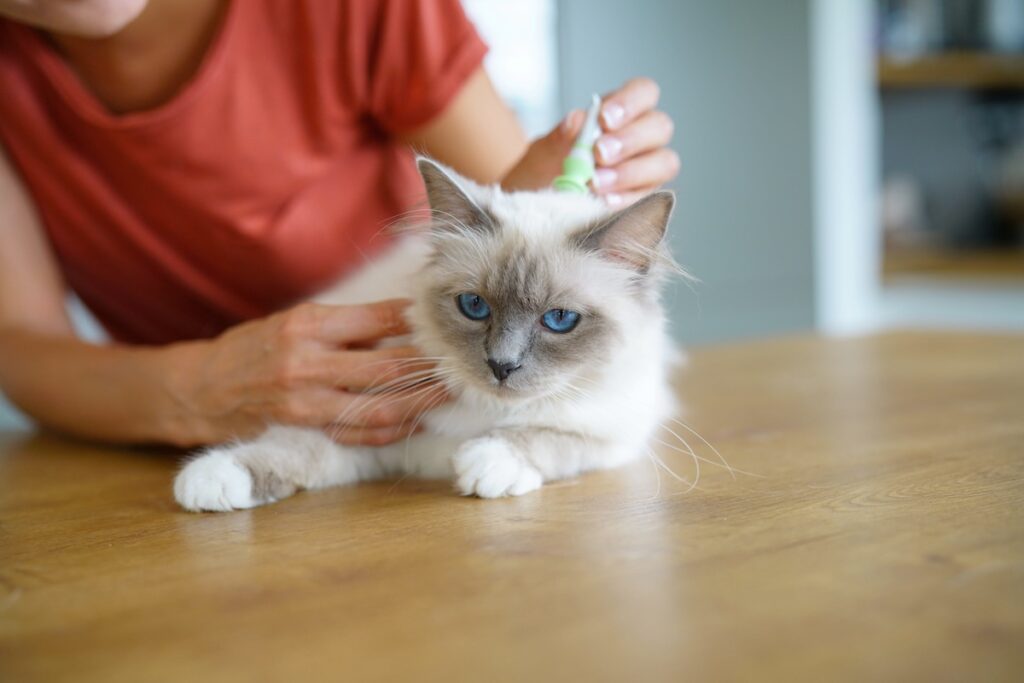
- Treat pets: Use veterinarian-approved flea treatments.
Treating pets and household surfaces at the same time is the most effective way to eliminate fleas entirely.
Preventing Fleas From Returning
Long-term prevention requires a combination of regular pet care, home maintenance, and seasonal habits. Because fleas reproduce quickly, preventive measures help keep infestations under control year-round. By taking small steps consistently, you reduce the chance of future problems.
Preventive Measures
- Maintain pet treatments: Use monthly flea control recommended by veterinarians.
- Vacuum often: Focus on carpets, rugs, and upholstered furniture.
- Trim yard vegetation: Keep grass short and remove debris.
- Monitor pet behavior: Increased scratching may be an early warning sign.
Homes in Eden Prairie, MN, and surrounding areas benefit from year-round vigilance due to fluctuating seasonal conditions.
When To Call A Professional For Flea Problems
Severe flea infestations can spread quickly and become difficult to manage. Professional pest control helps eliminate all life stages of fleas, including eggs and larvae hidden in carpets, cracks, and pet resting areas. Experts use specialized treatments that work faster and more effectively than store-bought products.
Benefits Of Professional Flea Control
- Thorough inspection: Identifies hotspots and breeding areas.
- Advanced treatments: Targets fleas at every stage of development.
- Long-term relief: Reduces the risk of recurring infestations.
- Pet-friendly options: Safe for homes with cats and dogs.
Prompt Action Pest Control offers comprehensive flea treatment solutions designed to eliminate infestations quickly while keeping your home safe and comfortable.
Protect Your Home And Family From Fleas
Knowing the truth about can fleas live in human hair helps you respond correctly when you notice bites or insect activity. While fleas rarely live on humans, they can still cause discomfort and spread quickly throughout your home. Early action and proper prevention make a significant difference in controlling infestations.
If fleas are biting your family or overwhelming your pets, contact Prompt Action Pest Control today. Our experts in Eden Prairie, MN, and surrounding areas will inspect, treat, and eliminate fleas using safe, effective methods that restore comfort to your home fast.
Recent Articles

Protect What Matters Most