




Identifying Bugs That Look Like Bed Bugs (4 Defining Traits)
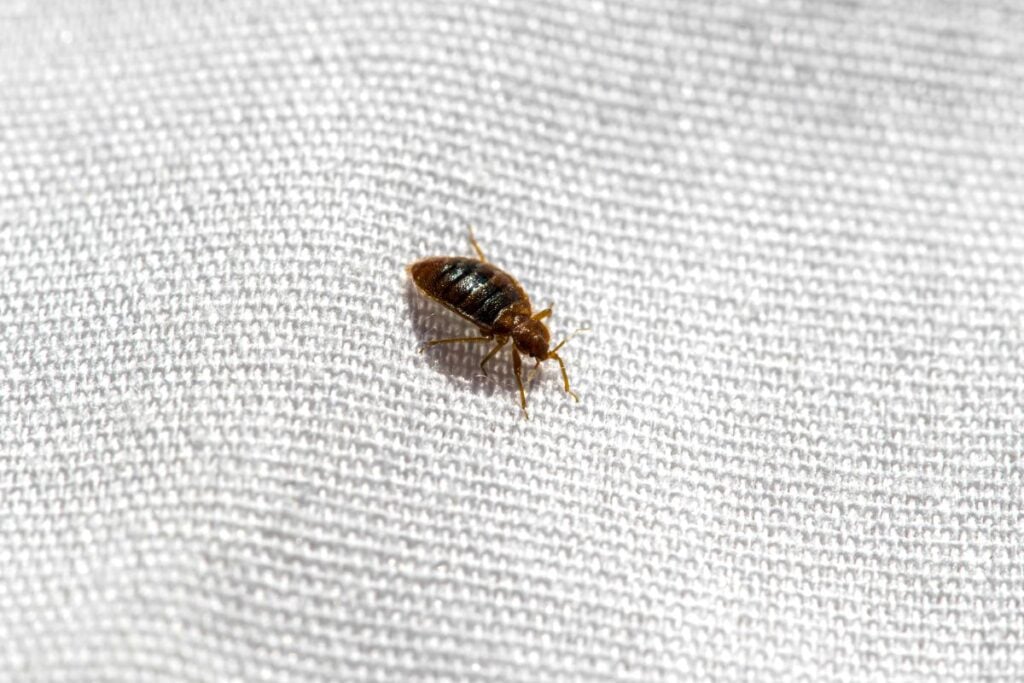
Homeowners often panic when they spot unfamiliar insects and immediately search for “bugs that look like bed bugs”, since bed bugs are one of the most stressful household pests. Many insects resemble bed bugs at a glance, and misidentification can lead to unnecessary worry or improper treatment. Learning how to tell the difference helps homeowners take the right next step and avoid costly mistakes.
- Common confusion: Several household pests closely resemble bed bugs.
- High stress factor: Bed bug fears often escalate quickly.
- Accurate identification: Correct ID leads to effective treatment.
If you have found suspicious insects in your home, this guide explains how to identify lookalike pests and what homeowners in Duluth, MN, and surrounding areas should know.
Why Bed Bug Lookalikes Are So Common
Bed bugs have a distinct appearance, but several insects share similar size, color, or body shape. When viewed briefly or under poor lighting, these similarities make misidentification easy. Panic often sets in before homeowners take a closer look.
Many bed bug lookalikes are harmless or indicate entirely different pest problems. Treating the wrong pest wastes time and money, while allowing the real issue to continue unchecked.
Reasons Misidentification Happens
- Small size: Many pests are similar in size to bed bugs.
- Flat bodies: Several insects have flattened shapes.
- Color overlap: Brown and reddish tones are common.
- Limited visibility: Bugs are often seen briefly before disappearing.
Understanding these factors helps homeowners slow down and inspect more carefully.
Why Proper Identification Matters
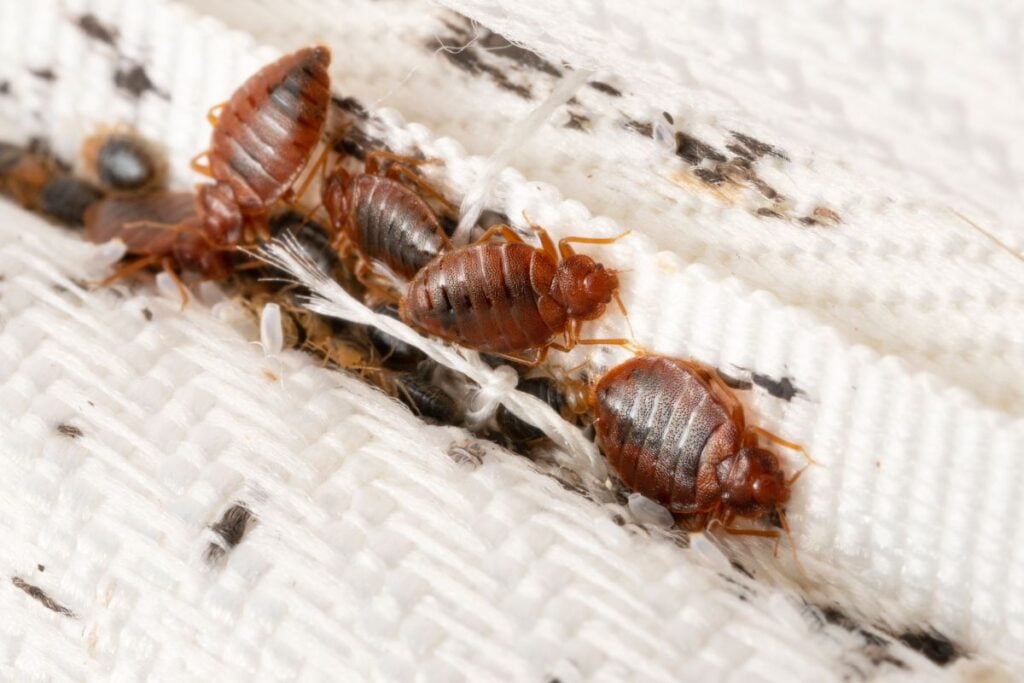
Correctly identifying pests is critical for effective control. Bed bugs require specific treatment methods that differ from those used for beetles, fleas, or ticks. Mistaking one insect for another often leads to ineffective DIY solutions.
Accurate identification also helps determine the urgency of the situation. Some pests spread rapidly indoors, while others are accidental invaders that do not reproduce inside homes.
Benefits Of Accurate Identification
- Correct treatment: Ensures the right control strategy is used.
- Cost savings: Prevents unnecessary extermination methods.
- Peace of mind: Reduces fear caused by uncertainty.
- Faster resolution: Addresses the real issue sooner.
Knowing what you are dealing with makes all the difference.
Common Pests That Are Mistaken For Bed Bugs
Several insects are frequently confused with bed bugs due to their appearance or behavior. While they may look similar, their habits, risks, and control methods differ significantly.
Many of these pests are associated with moisture, pets, or outdoor activity rather than sleeping areas.
Frequent Bed Bug Lookalikes
- Bat bugs: Nearly identical but linked to bats.
- Carpet beetles: Oval-shaped insects often found near fabrics.
- Fleas: Small jumping insects that bite.
- Ticks: Flat-bodied pests that attach to skin.
Each of these pests requires a different response.
4 Defining Traits That Help Identify Bed Bug Lookalikes
This section explains the most reliable traits homeowners can use to tell bed bugs apart from similar-looking insects. Each trait includes details that help narrow down what you are seeing.
1. Body Shape And Segmentation
Bed bugs have a flat, oval body with clearly visible segmentation. Many lookalike insects may appear similar in size but have different body proportions or shapes.
Carefully observing body structure can immediately rule out certain pests.
- Bed bug shape: Broad, flat, and oval.
- Beetle bodies: Often rounded or dome-shaped.
- Tick bodies: Tear-drop shaped when unfed.
Body shape is one of the most reliable indicators.
2. Movement And Behavior
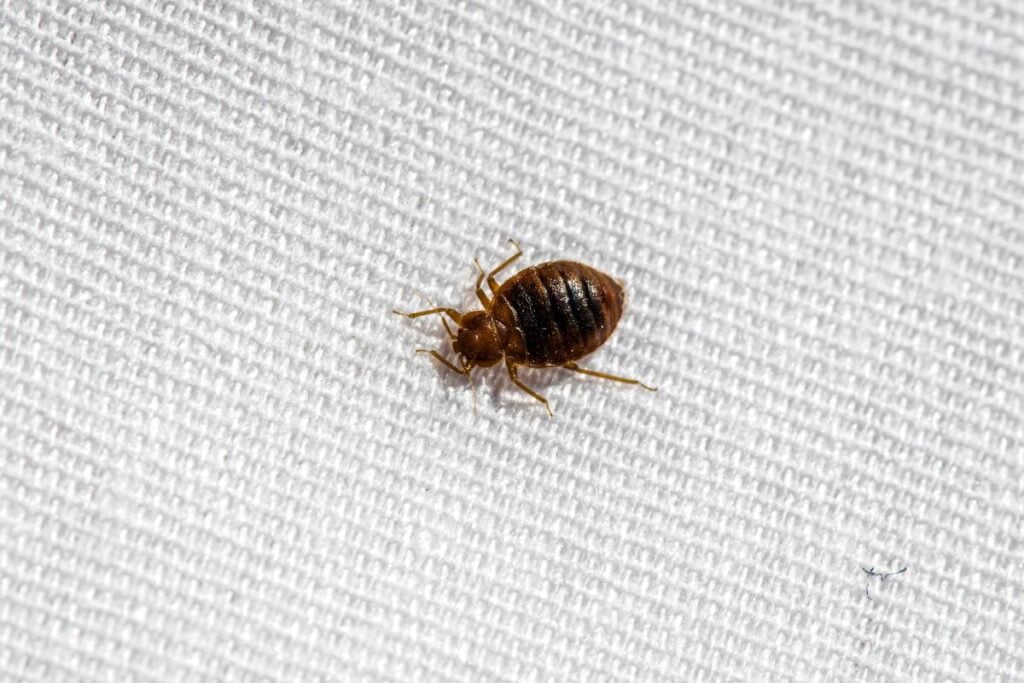
How an insect moves provides important clues. Bed bugs crawl slowly and deliberately, while many lookalikes move differently.
Observing behavior helps separate bed bugs from jumping or flying pests.
- Bed bugs: Crawl and hide quickly.
- Fleas: Jump rapidly when disturbed.
- Beetles: May fly or scurry erratically.
Movement patterns are often easier to observe than physical traits.
3. Location Where The Bug Is Found
Where you find the insect matters just as much as what it looks like. Bed bugs prefer sleeping areas and hide close to beds and furniture.
Other pests are more commonly found in kitchens, basements, or on pets.
- Bed bugs: Mattresses, box springs, bed frames.
- Carpet beetles: Closets, carpets, and stored fabrics.
- Ticks: Attached to skin or pets.
Location helps narrow down identification quickly.
4. Evidence Left Behind
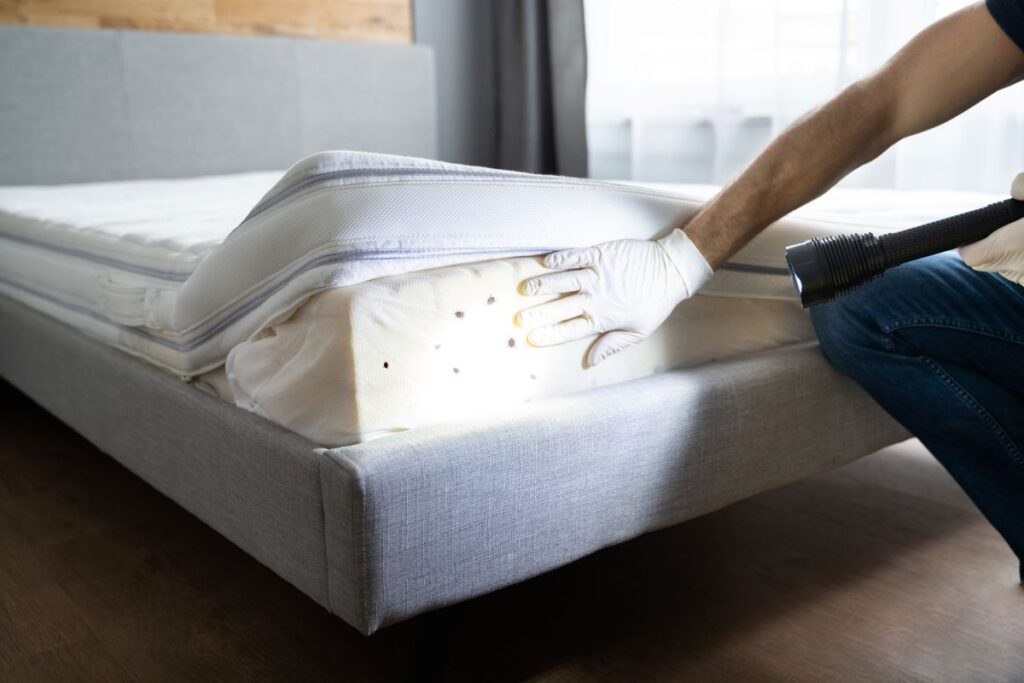
Different pests leave different signs behind. Bed bugs leave distinct evidence that lookalikes do not.
Checking for these clues helps confirm or rule out bed bugs.
- Bed bug signs: Blood spots, dark fecal marks, shed skins.
- Fleas: Pet scratching and small bites around ankles.
- Beetles: Damaged fabrics or carpet fibers.
Evidence often provides stronger confirmation than appearance alone.
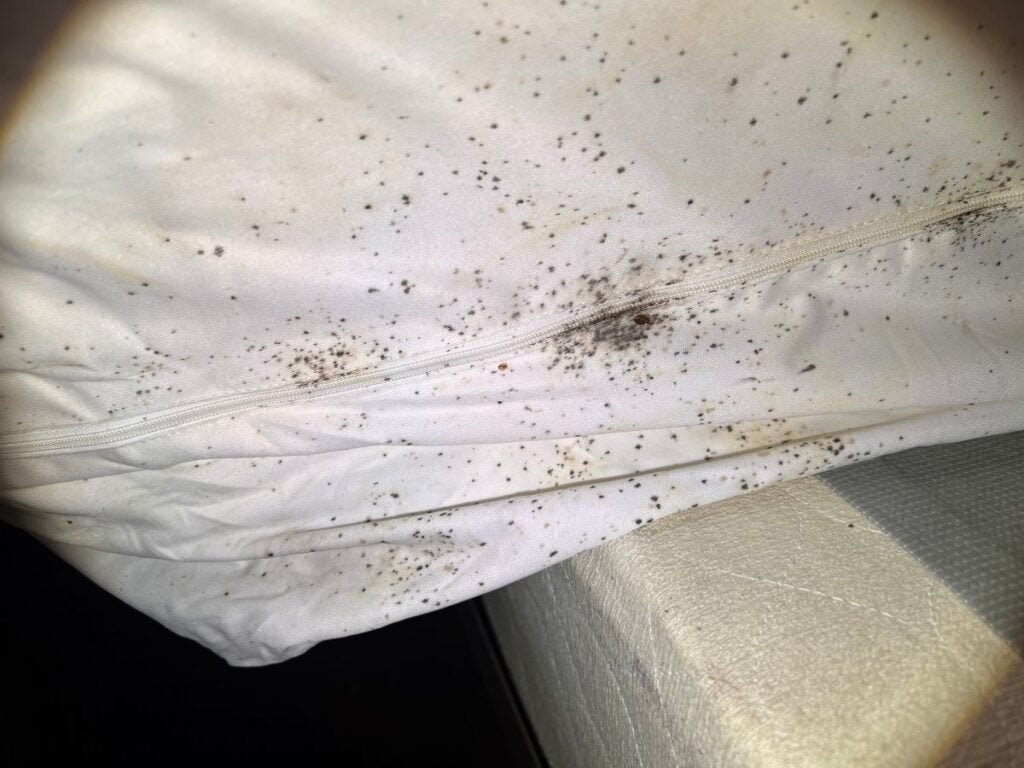
How Bed Bugs Differ From Their Lookalikes
While many pests resemble bed bugs, there are key differences that become obvious once you know what to look for. Bed bugs are nocturnal, hide extremely well, and feed exclusively on blood.
Most lookalikes do not behave this way and have different feeding habits or activity patterns.
Key Bed Bug Characteristics
- Blood feeding: Bed bugs require blood meals.
- Night activity: Most active while people sleep.
- No jumping or flying: Bed bugs only crawl.
- Clustered hiding: Live near sleeping areas.
These traits help confirm true bed bug activity.
What To Do If You Find A Bug That Looks Like A Bed Bug
Finding an unfamiliar insect does not automatically mean you have bed bugs. The most important step is to avoid panic and avoid using sprays or treatments before identification is confirmed.
Collecting a sample or taking clear photos can help professionals identify the pest accurately.
Immediate Steps To Take
- Avoid crushing the bug: Preserves identification features.
- Take photos: Capture close-up images if possible.
- Check surrounding areas: Look for additional signs.
- Limit DIY treatments: Incorrect treatments complicate control.
These steps help ensure the correct solution is applied.
Why DIY Identification Often Fails
Online photos and general descriptions can be misleading. Many insects look nearly identical to the untrained eye, and small differences matter.
Misidentification often leads to unnecessary bed bug treatments or delayed response to the real pest problem.
Limitations Of DIY Identification
- Lookalike overlap: Many pests share similar traits.
- Low-quality images: Online photos lack detail.
- Stress-driven assumptions: Fear clouds judgment.
- Improper treatment: Wrong solutions waste time.
Professional confirmation eliminates uncertainty.
When To Call A Professional
If you are unsure what type of insect you have found, professional inspection is the safest option. Experts can identify pests accurately and recommend appropriate next steps.
Prompt identification prevents infestations from spreading and reduces unnecessary stress.
Benefits Of Professional Pest Identification
- Accurate diagnosis: Confirms pest species.
- Targeted treatment: Applies correct control methods.
- Early intervention: Stops infestations quickly.
- Peace of mind: Eliminates guesswork.
Prompt Action Pest Control provides expert pest identification and inspection services for homeowners in Duluth, MN, and surrounding areas.
Identification Is The First Step To Control
Learning how to identify bugs that look like bed bugs helps homeowners respond calmly and effectively when insects are discovered. Correct identification prevents unnecessary treatments and ensures real problems are addressed properly.
If you have found suspicious insects and want answers, contact Prompt Action Pest Control today. Our team in Duluth, MN, and surrounding areas will inspect your home, identify the pest accurately, and recommend proven solutions to keep your home pest-free.
Recent Articles

Protect What Matters Most