




4 Common Types Of Squirrels In Wisconsin (Detailed Guide)

Understanding the different types of squirrels found locally is helpful for homeowners who want to prevent damage and avoid wildlife issues, especially when learning about the types of squirrels that commonly live near homes. Wisconsin is home to several squirrel species, each with unique behaviors, nesting habits, and risk levels when it comes to property damage. Knowing which type you are dealing with helps you respond correctly and protect your home more effectively.
- Species variety: Wisconsin has multiple squirrel species with different behaviors.
- Property impact: Some squirrels are more likely to cause damage than others.
- Prevention advantage: Identification helps guide proper prevention steps.
If you are seeing squirrel activity around your home, this guide explains the most common species homeowners encounter in Green Bay, WI, and surrounding areas.
Why Identifying Squirrel Species Matters
Not all squirrels behave the same way, and different species pose different risks to homes. Some are more likely to enter attics, while others prefer trees or ground burrows. Correct identification helps homeowners understand what type of damage to expect and how urgently the situation should be addressed.
In addition, breeding seasons, activity patterns, and nesting locations vary by species. Identifying the squirrel type allows for better timing when it comes to inspections, exclusion work, and professional intervention.
How Identification Helps Homeowners
- Targeted prevention: Different species require different exclusion strategies.
- Damage awareness: Some squirrels chew more aggressively than others.
- Seasonal planning: Breeding timelines vary by species.
- Safer response: Reduces improper DIY removal attempts.
Understanding species behavior is key to long-term prevention.

Where Squirrels Are Commonly Found In Wisconsin
Wisconsin’s mix of forests, neighborhoods, parks, and waterways creates ideal habitats for squirrels. As development expands, squirrel activity increasingly overlaps with residential areas. Homes provide warmth, shelter, and food sources that naturally attract them.
Squirrels are most active during daylight hours and are often seen running along power lines, fences, and rooftops. During colder months or breeding seasons, they are more likely to attempt entry into attics and wall voids.
Common Residential Activity Areas
- Rooflines and soffits: Easy access to attic spaces.
- Trees near homes: Launch points for roof access.
- Garages and sheds: Quiet shelter options.
- Bird feeder areas: Reliable food sources.
Homeowners in Green Bay, WI, and surrounding areas often notice increased squirrel activity during spring and fall.
4 Common Types Of Squirrels In Wisconsin
This section breaks down the four squirrel species most commonly encountered by homeowners. Each type has distinct physical traits, behaviors, and nesting preferences that influence how they interact with residential properties.
1. Eastern Gray Squirrel
The eastern gray squirrel is the most common squirrel species found throughout Wisconsin. These squirrels are medium to large in size and typically gray with white or light-colored undersides.
Eastern gray squirrels are strong climbers and are frequently responsible for attic intrusions. They often chew through soffits, fascia boards, and vents to gain access. Once inside, they build nests using insulation and other materials.
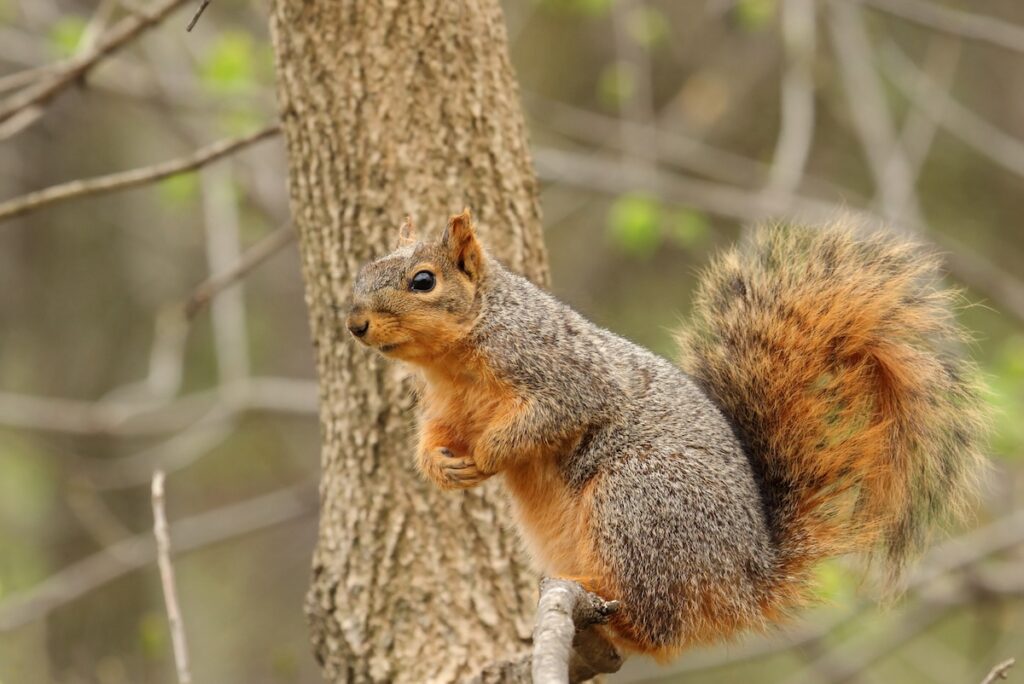
2. Fox Squirrel
Fox squirrels are the largest squirrel species in Wisconsin and are often mistaken for gray squirrels. They usually have reddish-brown or orange-tinted fur and bushy tails.
While fox squirrels are less likely to enter attics than gray squirrels, they still pose a risk to homes. They are powerful chewers and may damage decks, siding, and roof edges while exploring.
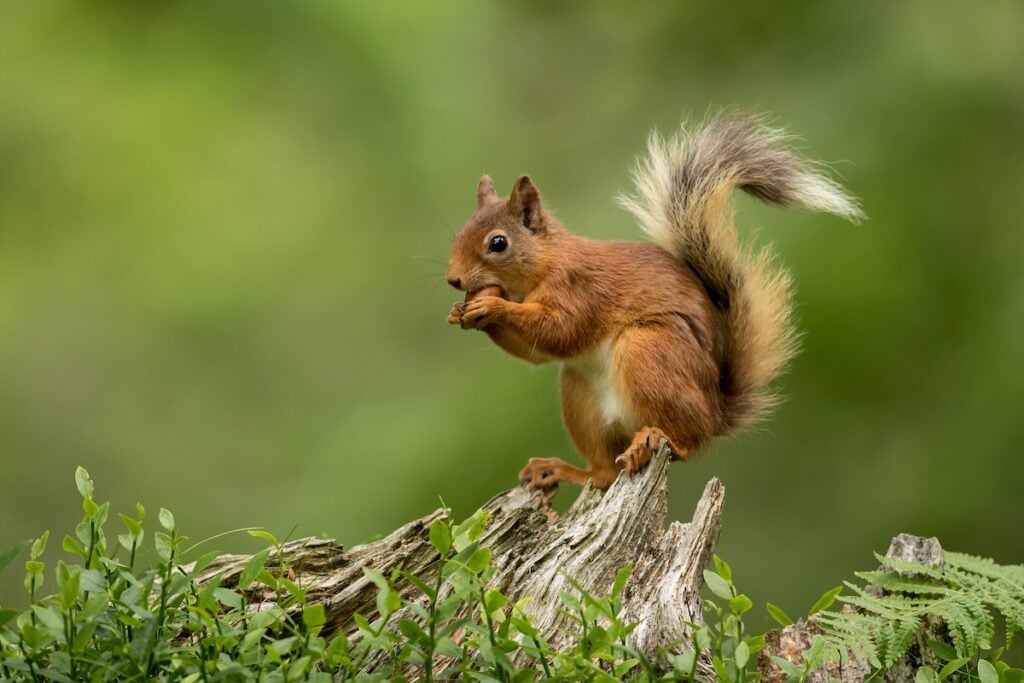
3. Red Squirrel
Red squirrels are smaller, more aggressive, and much louder than other squirrel species. They have reddish fur and are known for their territorial behavior.
These squirrels are especially destructive due to their constant chewing. Red squirrels frequently target attics, wall voids, and chimneys and will defend nesting sites aggressively.
4. Flying Squirrel
Flying squirrels are nocturnal and much harder to detect. They are smaller than gray squirrels and have loose skin membranes that allow them to glide between trees.
Flying squirrels often enter homes through small openings and can live inside attics undetected for long periods. Because they are active at night, homeowners often hear scratching sounds after dark without ever seeing the animals.
Understanding which species is present helps determine the severity of the issue.
Differences In Behavior Between Squirrel Species
Each squirrel species has unique behaviors that influence how likely they are to enter homes. Some are more curious, while others are more aggressive or persistent once they find a nesting site.
These differences explain why some squirrel problems escalate quickly while others remain limited to outdoor activity.
Behavioral Differences To Know
- Gray squirrels: Persistent attic invaders and strong climbers.
- Fox squirrels: Less invasive but capable of exterior damage.
- Red squirrels: Aggressive chewers with loud activity.
- Flying squirrels: Quiet, nocturnal, and difficult to detect.
Behavior patterns play a major role in prevention strategies.
Signs Different Squirrels May Be In Your Home
Recognizing signs of squirrel activity can help you identify which species may be present. While many signs overlap, certain clues are more common with specific squirrels.
Early detection prevents extensive damage and costly repairs.
Common Warning Signs
- Daytime roof activity: Often linked to gray or fox squirrels.
- Nighttime noises: Common with flying squirrels.
- Loud chirping or barking sounds: Frequently caused by red squirrels.
- Chewed vents or fascia: Indicates repeated entry attempts.
Any of these signs warrant closer inspection.
Risks Associated With Squirrels Inside Homes
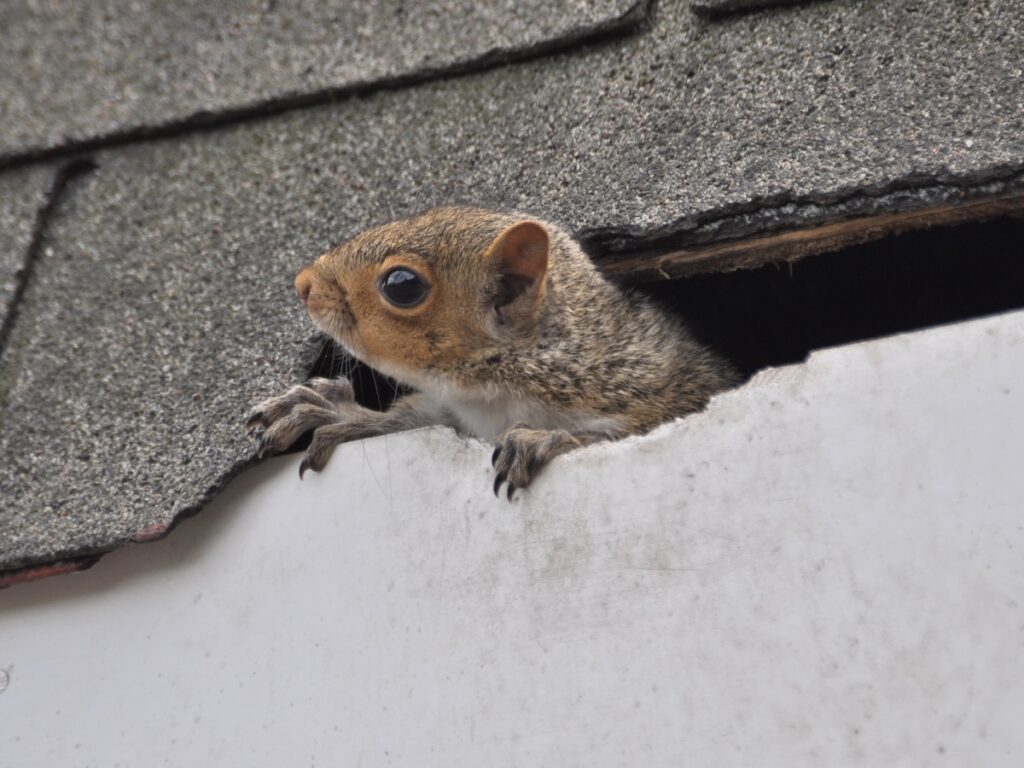
Regardless of species, squirrels inside homes create serious risks. Their chewing behavior can damage structural components and electrical wiring, creating potential fire hazards.
Nesting materials also reduce insulation effectiveness and can introduce parasites and odors. These risks increase the longer squirrels remain undetected.
Common Risks To Homeowners
- Fire hazards: Chewed wiring increases fire risk.
- Structural damage: Weakened wood and roof components.
- Energy loss: Damaged insulation reduces efficiency.
- Health concerns: Droppings and parasites contaminate spaces.
Prompt action reduces long-term consequences.
How To Prevent Squirrels Based On Species
Prevention strategies are most effective when tailored to squirrel behavior. While some steps apply universally, others depend on how squirrels access and use your property.
Homes in Green Bay, WI, and surrounding areas benefit from consistent maintenance and seasonal inspections.
Prevention Strategies
- Seal entry points: Repair soffits, vents, and roofline gaps.
- Trim trees: Keep branches away from roofs.
- Secure food sources: Manage bird feeders carefully.
- Install barriers: Use chew-resistant vent covers.
Preventive measures work best before breeding seasons begin.
When To Call A Professional
Squirrel problems often require professional assistance, especially when animals have entered attics or walls. Improper removal can lead to aggressive behavior, trapped babies, or recurring infestations.
Professionals understand species-specific behavior and safe removal timing. This ensures effective results without causing further damage.
Benefits Of Professional Squirrel Control
- Accurate identification: Confirms species and risk level.
- Safe removal: Protects homeowners and animals.
- Damage repair: Addresses entry points and nesting damage.
- Long-term prevention: Stops repeat invasions.
Prompt Action Pest Control provides expert squirrel control services for homeowners in Green Bay, WI, and surrounding areas.
Knowing Your Local Squirrels Makes A Difference
Understanding the types of squirrels commonly found in Wisconsin helps homeowners respond appropriately to wildlife activity. Each species behaves differently and presents unique risks when it comes to property damage and infestations.
If you are noticing squirrel activity or want help identifying and preventing a problem, contact Prompt Action Pest Control today. Our team in Green Bay, WI, and surrounding areas will inspect your home, address squirrel issues safely, and help protect your property with proven, long-term solutions.
Recent Articles

Protect What Matters Most