




How Do Mice Get In Your House (Entry Points & Fixes)

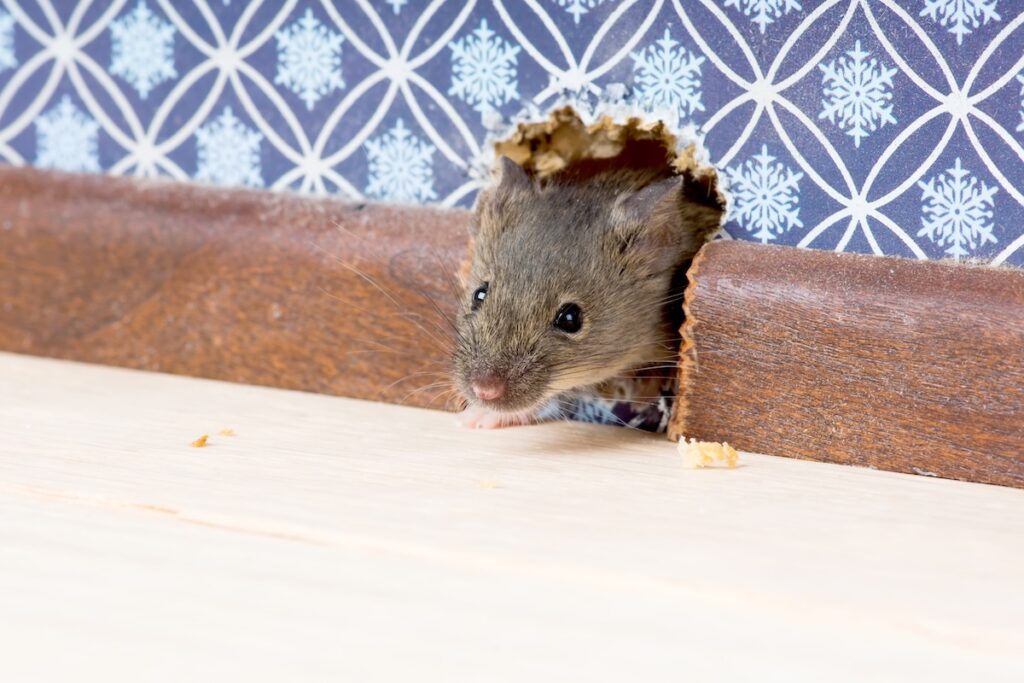
Understanding “how do mice get in your house” is the first step in protecting your home, because mice are incredibly skilled at slipping through tiny openings and finding hidden entry points you may never notice. Mice are incredibly flexible, resourceful, and determined, allowing them to enter through small cracks, gaps, and openings that often go unnoticed by homeowners. Once inside, they contaminate food, chew wires, damage insulation, and multiply quickly, which makes early detection critical for controlling them.
- Tiny entry needs: Mice can slip through openings as small as a dime.
- Constant exploration: Rodents investigate walls, garages, attics, and kitchens.
- Fast reproduction: Even a pair of mice can turn into dozens within a short period.
If you’re hearing scratching sounds, finding droppings, or noticing chew marks, identifying where mice are entering is the first and most important step toward protecting your home in St. Paul, MN, and surrounding areas.
Why Mice Seek Ways Into Your Home
Mice enter homes because they are searching for warmth, food, and shelter. As temperatures cool or food becomes scarce outdoors, your home becomes an ideal refuge. Even the cleanest homes can attract mice if small gaps and structural weaknesses are available. Once one mouse gets inside, others often follow the same path by tracking scent trails.
Homes provide quiet nesting locations, steady food sources, and stable temperatures that allow mice to survive year-round. Once they find a comfortable environment, they continue breeding, making quick action essential to preventing an infestation.
Main Reasons Mice Enter Homes
- Warmth: Indoor temperatures help mice survive cold seasons.
- Food sources: Unsealed pantry items, crumbs, and pet food encourage activity.
- Shelter: Attics, basements, and wall voids provide safe nesting sites.
- Protection: Homes shield mice from predators and storms.
These attractants make sealing entry points a priority for any homeowner.
The Most Common Entry Points Mice Use
Mice can climb rough surfaces, jump surprisingly high, and chew through materials like plastic and wood. These abilities allow them to access many areas homeowners don’t expect. Understanding where they typically enter helps you narrow down the most likely vulnerabilities around your home.
Gaps Around Doors And Windows
- Damaged weatherstripping: Worn-out or missing seals create gaps.
- Loose door sweeps: Small openings under doors provide easy access.
- Window frame cracks: Crumbling caulk allows mice to slip inside.
Cracks In Foundations And Walls
- Concrete settling: Natural foundation shifting creates small openings.
- Low-level wall gaps: Ground-level cracks give mice quick entry.
- Basement vulnerabilities: Utility holes or unfinished sections allow access.
Openings Around Utility Lines
- Plumbing gaps: Holes around pipes under sinks or in basements.
- HVAC access: Unsealed duct openings and vent areas.
- Cable and internet lines: Exterior wiring often enters through unsealed holes.
These openings create direct pathways from the outdoors to your home’s interior.
How Mice Use Their Natural Abilities To Get Indoors
Mice are equipped with physical traits that make them outstanding escape artists. Their flexibility, climbing skills, and strong teeth allow them to access areas that seem protected. Learning how these abilities work helps homeowners understand why sealing with durable materials is so important.
Mice can flatten their bodies to fit through remarkably narrow spaces, which means even gaps you think are too small may be large enough. Their ability to use texture, wiring, and even corners as climbing structures allows them to reach high entry points as well.

Physical Abilities That Aid Entry
- Climbing skill: Mice scale siding, gutters, wires, and rough walls.
- Strong teeth: They can chew through wood, rubber, plastic, and foam.
- Flexible bodies: Their skeleton allows them to compress through tiny openings.
- High jumps: Mice can jump up to 12 inches vertically.
These skills make exclusion a challenge without the right materials.
7 Most Frequently Missed Entry Points In Homes
These hidden or unexpected gaps offer rodents easy, undetected paths indoors. Checking these areas helps prevent infestations from developing behind the scenes.
- Garage Door Corners: Garage door seals often wear down over time, leaving just enough space for mice to squeeze under. Once inside the garage, they can access basements, kitchens, and living areas.
- Roof Vents And Attic Louvers: Improperly screened vents offer a direct entry route into attic spaces. Attics provide insulation, warmth, and safety for nesting mice.
- Dryer Vent Flaps: Dryer vents that stay partially open allow rodents to push their way into vent lines and reach interior spaces undetected.
- Foundation Gaps And Settling Cracks: As homes shift, small cracks form along the foundation. These gaps are often at ground level, making them perfect access points for rodents.
- Plumbing And Utility Penetrations: Gaps around pipes, cables, and wiring allow mice to move from outside walls into kitchens, bathrooms, basements, and crawl spaces.
- Loose Or Damaged Siding Panels: Spaces behind siding provide sheltered pathways directly into wall voids. Because these gaps are elevated, many homeowners overlook them entirely.
- Chimney And Roof Flashing Gaps: Mice can climb brick and siding to reach rooftops. Any openings in roof flashing or chimney bases can become secret entry points.
These hidden access points often explain why mice appear even when visible areas look secure.
How To Seal Entry Points And Keep Mice Out
Once you identify where mice are entering, sealing those openings becomes the next crucial step. Effective exclusion requires using materials mice cannot chew or tear apart. A strong combination of sealing, sanitation, and outdoor maintenance helps reduce long-term infestations.
Effective Materials For Sealing Gaps
- Steel wool: Ideal for stuffing small holes rodents cannot chew through.
- Caulk or sealant: Used to secure steel wool and fill small cracks.
- Hardware cloth: Covers vents and prevents rodent access.
- Metal flashing: Reinforces weak areas mice may try to chew through.
Using durable, chew-resistant materials ensures long-lasting protection.
Additional Prevention Tips
- Store food properly: Use airtight containers for pantry goods.
- Reduce clutter: Remove piles in garages, basements, and storage rooms.
- Fix leaks: Moisture attracts rodents searching for water sources.
- Maintain cleanliness: Sweep crumbs and clean food areas daily.
Consistent prevention helps reduce indoor rodent activity.
When To Call A Professional For Mouse Control
Because mice reproduce rapidly and hide in difficult-to-reach places, professional help is often necessary to eliminate a full infestation. Traps alone may reduce visible activity, but they rarely address the entire rodent population or all hidden nesting sites.
Benefits Of Professional Mouse Removal
- Full inspection: Identifies entry points, nests, and activity patterns.
- Advanced trapping techniques: More effective than over-the-counter traps.
- Safer removal: Reduces contamination and health risks.
- Long-term prevention: Professionals seal vulnerable areas and install barriers.
Prompt Action Pest Control provides safe, effective mouse control for homeowners in St. Paul, MN, and surrounding areas, ensuring infestations are handled thoroughly and efficiently.

Stop Mice Before They Move In
Knowing how do mice get in your house is the best defense against a growing infestation. By identifying entry points early, sealing them with durable materials, and maintaining a rodent-resistant home, you can prevent serious problems before they start.
If you’re seeing signs of rodent activity or want expert help locating hidden entry points, contact Prompt Action Pest Control today. Our team in St. Paul, MN, and surrounding areas will inspect, seal, and protect your home using proven solutions designed for long-term rodent control.
Recent Articles

Protect What Matters Most