




Flying Ants Vs Termites: Key Differences Explained
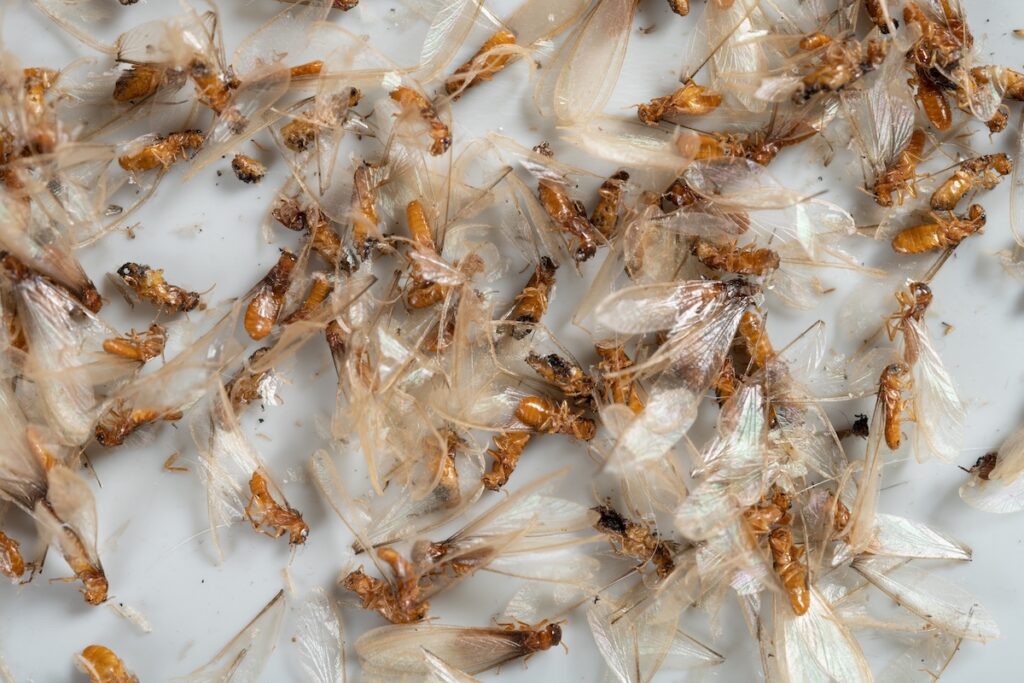
Understanding flying ants vs termites is essential for protecting your home from potential damage and choosing the right pest control strategy. While both insects swarm during warm seasons and have similar winged forms, their behavior, nesting habits, and long-term risks are very different. Knowing how to identify them correctly can prevent costly structural issues and ensure quick treatment.
- Similar appearance: Both insects have wings and swarm in large groups.
- Major differences: Termites cause significant structural damage while flying ants typically do not.
- Proper identification: Early detection can prevent severe infestations.
If you’ve spotted winged insects near your home, this guide will help you determine which pest you’re dealing with and how to respond effectively in Eau Claire, WI, and surrounding areas.
Why Identification Between These Two Pests Matters
Homeowners often confuse flying ants and termites because they swarm at similar times of year and look nearly identical at a glance. However, the consequences of misidentifying them can be costly. Termites are far more destructive, silently damaging wood structures from the inside out. Flying ants, on the other hand, are typically a sign of a mature ant colony but rarely cause structural harm.
Having a clear understanding of what separates the two ensures you respond appropriately. Whether you’re dealing with a minor ant issue or a potential termite infestation, identifying the insect quickly allows you to take the correct next steps and prevent additional damage.
Key Reasons To Identify Correctly
- Damage prevention: Termites require immediate action to prevent structural harm.
- Correct treatment: Treatments for ant colonies differ widely from termite control methods.
- Long-term protection: Knowing the species helps prevent repeat infestations.
Distinguishing between these insects early on gives you the best chance of keeping your home safe.
Physical Differences Between Flying Ants And Termites
It is possible to tell these insects apart by observing their wings, bodies, and antennae. While they may look similar when swarming, a closer look reveals clear physical distinctions that can help you determine which species you’re seeing. This section lays out the most obvious differences so you can evaluate them with confidence.
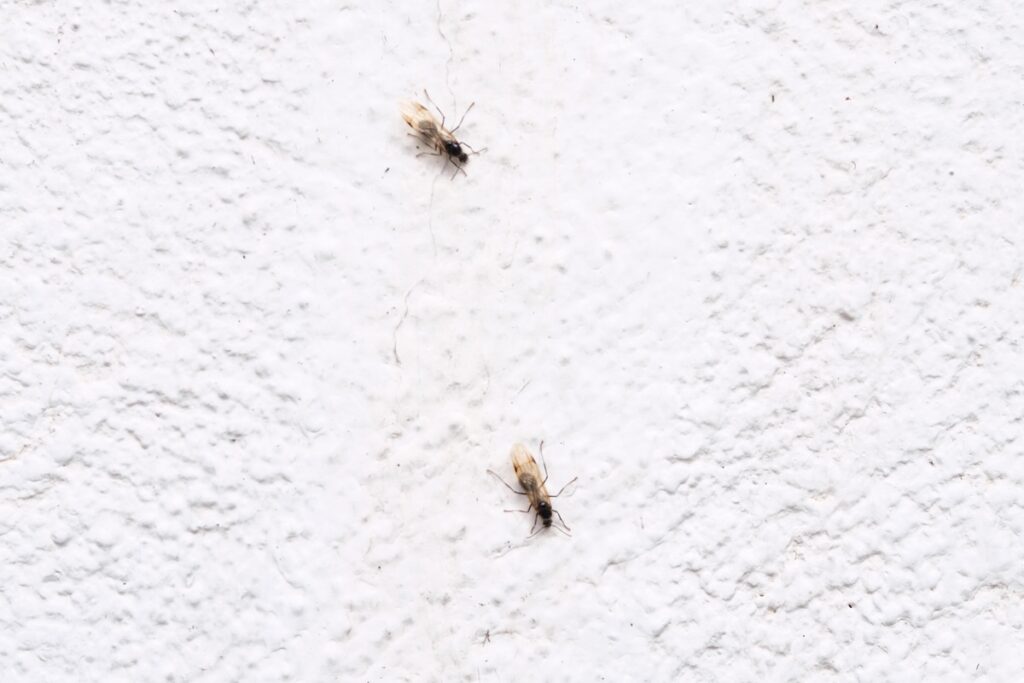
Flying Ant Appearance
- Body shape: Narrow waist that clearly separates the thorax and abdomen.
- Antennae: Bent or elbow-shaped.
- Wings: Front wings longer than back wings.
- Color: Typically black or brown depending on the ant species.
Flying ants are usually reproductive members of the colony, emerging during warm seasons to mate and establish new nests.
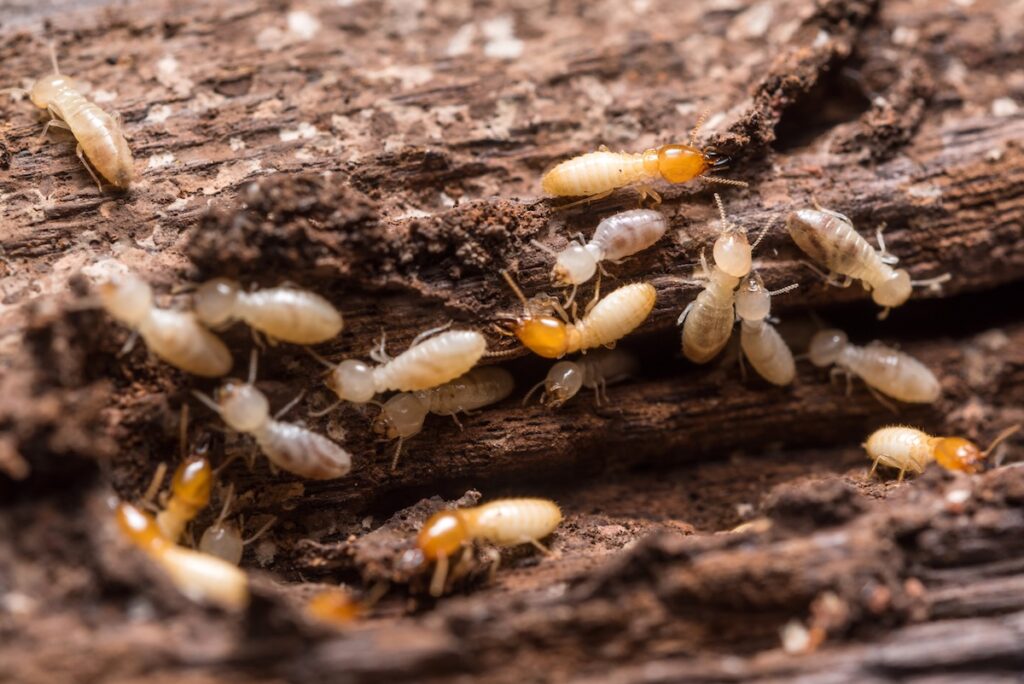
Termite Appearance
- Body shape: Straight waist with no narrowing between segments.
- Antennae: Straight and beaded.
- Wings: Both wing pairs are equal in length and shape.
- Color: Pale brown or creamy white, depending on the species.
Termites have softer bodies and more delicate wings that often detach easily and may be left behind during swarms.
Nesting Behavior And Colony Habits
Although flying ants and termites may appear similar outdoors, their nesting behaviors differ dramatically. Once you understand where each insect lives and how it expands its colony, identifying the source of activity becomes easier. Recognizing these patterns also helps determine how serious the problem might be.
Flying Ant Habits
- Nesting location: Ants build colonies in soil, walls, or wooden structures.
- Swarming behavior: Winged ants appear seasonally, usually after rain.
- Risk level: Some ant species can damage wood, but damage is typically minimal compared to termites.
Termite Habits
- Nesting location: Termites build underground colonies or live inside wood.
- Swarming behavior: Large groups emerge in spring or early summer to reproduce.
- Risk level: Termites can cause severe structural damage if left untreated.
Termites are silent insects, often hidden in walls or floors. Homeowners may not notice them until significant damage has already occurred.
Clear Signs You’re Dealing With Either Flying Ants Or Termites
Knowing the signs of each insect can help you determine which pest is present without needing to capture one. These signs often appear before homeowners notice swarming activity. Understanding these clues can help you take earlier action to prevent damage.
Signs Of Flying Ants
- Presence of ant trails: Workers traveling to and from food sources.
- Wing piles: Wings sometimes shed near windows or vents but less commonly than termites.
- Visible colonies: Ant hills or mounds outdoors near foundations.
Signs Of Termites
- Mud tubes: Pencil-sized tubes on walls, foundations, or crawl spaces.
- Hollow-sounding wood: A sign that termites have eaten from the inside out.
- Discarded wings: Often found around windowsills in large quantities.
- Wood damage: Soft, crumbling, or deteriorating areas inside walls or floors.
Termites hide well, so homeowners in Eau Claire, WI, and surrounding areas must act quickly when any of these warning signs appear.
5 Main Differences To Look For
When you need a quick way to determine whether you’re dealing with flying ants or termites, focusing on these core differences can help you make an accurate identification. These points can be evaluated without getting too close and provide reliable clues.
1. Wing Shape And Size
Termites have wings that are equal in size, while flying ants have noticeably larger front wings. This is one of the easiest distinctions to observe during swarming events.
2. Body Structure
Flying ants have a narrow, pinched waist that clearly separates their body segments. Termites have straight, uniform bodies without a defined waist.
3. Antennae Shape
The antennae of flying ants bend at an angle, while termite antennae remain straight and bead-like. This feature is often seen even from a slight distance.
4. Habitat And Nest Location
Flying ants build colonies in soil, walls, or decaying wood. Termites prefer damp wood or underground colonies, often staying hidden until the damage becomes visible.
5. Type Of Damage
Termites cause significant structural damage, weakening wood from the inside. Ants may cause minor damage, but their impact is rarely as serious as that of termites.
Recognizing these core differences can help homeowners make informed decisions about treatment and prevention.
How To Prevent Flying Ants And Termites
Preventing both pests involves reducing moisture, sealing entry points, and eliminating attractants. By taking a proactive approach, you can dramatically reduce the chance of these pests invading your home. These simple steps form the foundation of long-term pest control.
Moisture Control
- Fix leaks: Repair dripping faucets, pipes, or appliances.
- Improve ventilation: Use fans or dehumidifiers in damp areas.
- Clear gutters: Remove debris to prevent water accumulation near foundations.
Exterior Protections
- Seal cracks: Caulk gaps around siding, windows, and foundations.
- Store firewood properly: Keep wood piles away from exterior walls.
- Maintain landscaping: Trim vegetation touching the home.
Moisture and rotting wood are major attractants for termites, while accessible food sources attract ants.

When To Call A Professional
Both flying ants and termites can be difficult to manage without expert help. Termites, in particular, require specialized treatments to eliminate colonies hiding deep within walls or underground. Pest control professionals can inspect your home, identify the insect correctly, and provide appropriate treatment based on the severity of the issue.
Benefits Of Professional Pest Control
- Accurate identification: Determines whether ants or termites are present.
- Advanced treatments: Professional-grade products eliminate colonies more effectively.
- Home protection: Prevents long-term structural damage caused by hidden infestations.
- Ongoing monitoring: Helps prevent future problems before they start.
Prompt Action Pest Control offers comprehensive ant and termite solutions tailored to homes in Eau Claire, WI, and surrounding areas. You can count on expert technicians to treat current infestations and stop future ones from forming.
Keeping Your Home Pest-Free Year-Round
With regular monitoring and preventive habits, you can protect your home from future insect invasions. Staying alert during swarming seasons and addressing any moisture issues early will help keep your home safe. Pest professionals can also offer year-round protection plans to maintain a pest-free environment.
Long-Term Protection Tips
- Schedule seasonal inspections: Especially during spring and summer.
- Maintain a dry foundation: Ensures termites and ants are less likely to settle.
- Act quickly: Address early signs before infestations grow.
- Use professional guidance: Experts provide advice tailored to your home’s structure.
A proactive approach ensures your home remains protected through every season.
Know The Difference To Protect Your Home
Recognizing the differences in flying ants vs termites is one of the most important steps in protecting your home from damage. With the right knowledge and a quick response, you can handle ant swarms safely and prevent termite destruction altogether.
If you’ve seen winged insects around your home or suspect a hidden infestation, contact Prompt Action Pest Control today. Our team in Eau Claire, WI, and surrounding areas will inspect, identify, and eliminate the problem using proven methods that keep your home protected year-round.
Recent Articles

Protect What Matters Most