




How To Get Rid Of Squirrels: Advice from The Professionals
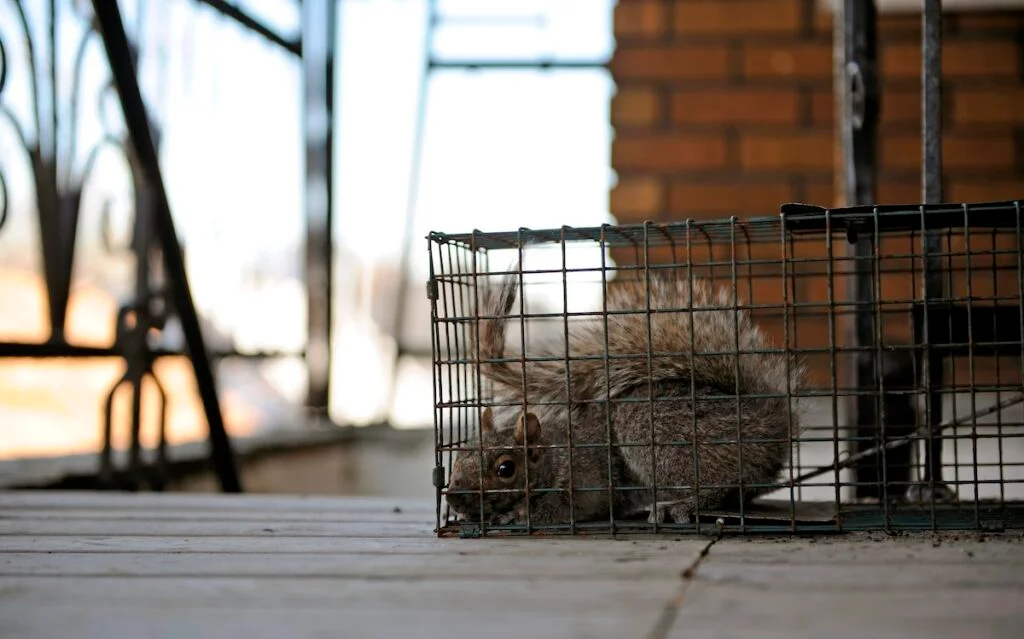
If you’re searching for how to get rid of squirrels, chances are you’ve heard noises overhead, found droppings in the attic, or watched your bird feeders get ransacked. While squirrels may seem like innocent backyard creatures, they can cause real trouble when they make themselves at home inside your property. From chewed wiring to shredded insulation, squirrels pose serious risks to safety, structure, and sanitation.
In this guide, the professionals at Prompt Action Bat and Pest Control share:
- Early warning signs: Learn how to spot squirrel activity before it escalates.
- Safe removal strategies: Explore humane, effective solutions that work long-term.
- Prevention tips: Get advice for keeping squirrels out once and for all.
Let’s walk through everything you need to know to take control of the situation with confidence.
⚠️ Signs You Have Squirrels in the House
Before you can fix the problem, you have to identify it. Squirrels often leave behind clear evidence of their presence—if you know what to look for.
- Noises in the attic: Scratching, scampering, or rolling sounds during the early morning or late afternoon often point to active tree squirrels overhead.
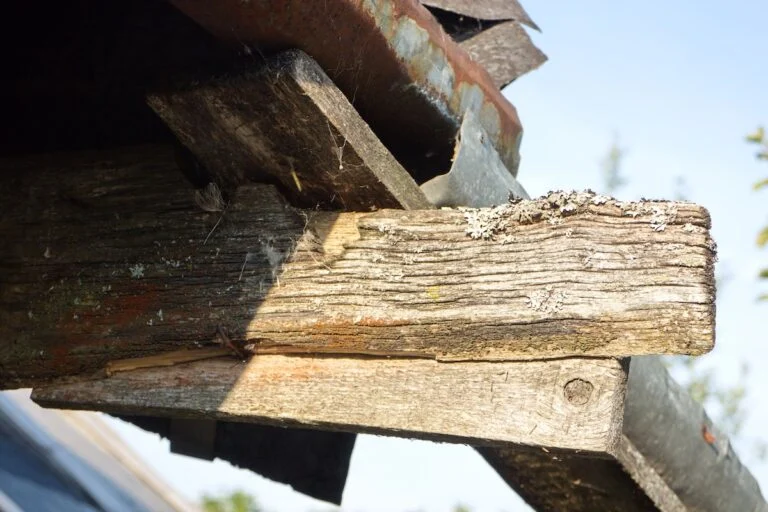
- Chewed openings: Look for damage around roof edges, attic vents, soffits, and chimneys. Eastern gray squirrels and eastern fox squirrels are strong chewers.
- Nesting materials: Twigs, leaves, and insulation clumped into corners or along beams may indicate a nesting site.
- Droppings and odors: Small, spindle-shaped droppings and urine-soaked insulation can create strong smells and contaminate the air.
📋 Why Squirrels Are a Problem Indoors
Once squirrels move in, they can quickly damage your home and create unsafe conditions.
- Fire hazards: Squirrels frequently chew through electrical wiring, increasing the risk of shorts or attic fires.
- Structural damage: Wood framing, roof boards, and insulation are common chew targets for gray squirrels and fox squirrels.
- Health risks: Squirrel droppings may contain bacteria and parasites. Nesting materials can grow mold or attract insects.
- Noise and stress: Constant activity and scratching sounds can disturb sleep and raise stress levels.
✅ How To Get Rid Of Squirrels (The Right Way)
Removing squirrels takes more than just waiting them out or hoping they leave. Here’s how professionals safely and humanely solve the problem.
1. Inspection and Identification
A professional inspection identifies the squirrel species, their entry points, and the extent of the infestation.
- Species spotting: Eastern gray squirrels, fox squirrels, and even northern flying squirrels require slightly different handling based on habits and nesting behavior.
- Activity mapping: Technicians track noise locations, droppings, and damage to identify nests and travel paths.
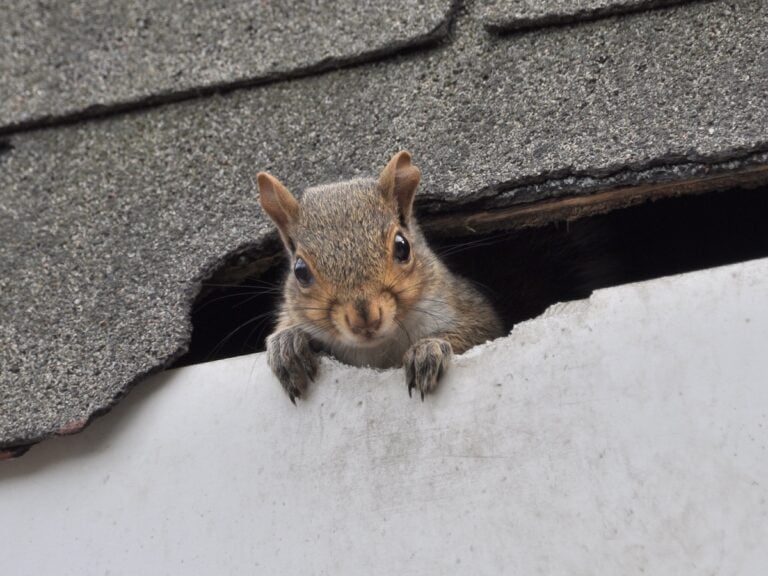
- Entry point detection: Common access points include roof vents, gable ends, loose soffits, and chimney flues.
2. Removal Using Humane Techniques
Squirrel removal must be done safely, legally, and with consideration for the animals and your property.
- One-way exclusion doors: These allow squirrels to exit but prevent re-entry, especially useful for tree squirrels nesting in attics.
- Live trapping: In some cases, humane cage traps are used to remove active squirrels on the property.
- Timed removals: During baby season, extra care is taken to ensure young squirrels are not separated from their mothers.
3. Seal Entry Points
Once squirrels are gone, closing off their access is crucial.
- Exterior sealing: Roof gaps, fascia cracks, and vent holes are repaired using metal mesh, caulk, and sturdy materials that resist chewing.
- Chimney caps and vent covers: These prevent squirrels from entering through uncovered openings.
- Gutter and roofline inspection: Loose components or missing shingles are reinforced or replaced to block return access.
4. Clean-Up and Restoration
Damage from nesting must be addressed quickly to prevent further risks.
- Insulation removal: Soiled or shredded insulation is removed to eliminate health hazards and odors.
- Disinfecting: Areas are sanitized to remove bacteria, urine, and droppings.
- Minor repairs: Chewed wood, wiring, and vent screens are repaired or replaced.
⭐️ 6 Squirrel Prevention Tips Every Homeowner Should Know
Use these expert-approved prevention tips to protect your home long after the squirrels are gone:
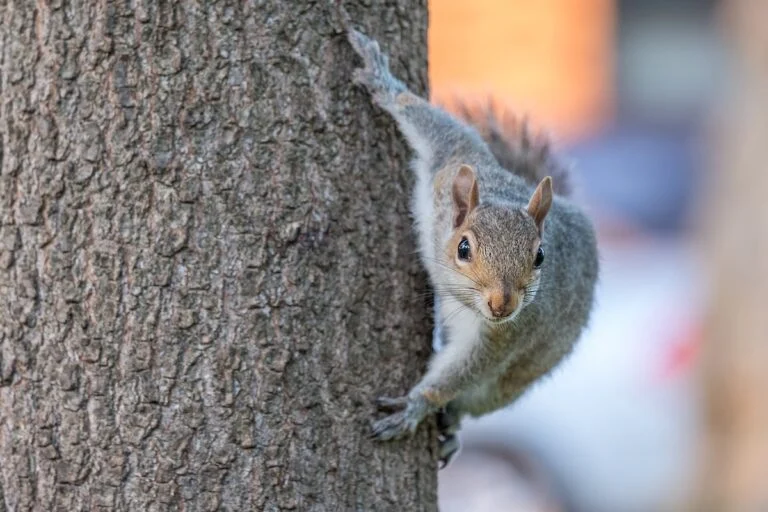
- Trim trees regularly: Keep tree limbs at least six to eight feet away from your roof to block jumping paths for tree squirrels.
- Install chimney caps: This simple addition blocks entry for gray squirrels, northern flying squirrels, and more.
- Protect bird feeders: Use squirrel-proof feeders or place them far from the home to reduce attraction.
- Seal soffits and vents: Inspect for gaps or damage every season and reinforce with chew-resistant materials.
- Store food securely: Avoid leaving pet food, bird seed, or garbage in accessible locations outside.
- Schedule seasonal inspections: A professional inspection every spring or fall can catch vulnerabilities before wildlife moves in.
🐿️ Common Squirrel Species Around Homes
Different squirrel types can bring different risks depending on behavior and nesting habits.
Eastern Gray Squirrel
Found throughout the Midwest, these active climbers are notorious attic invaders. They often chew through fascia and soffits to build large indoor nests.
Eastern Fox Squirrel
Larger and more reddish-brown than gray squirrels, eastern fox squirrels are strong chewers and frequent bird feeder raiders. They often seek out sheltered rooftops for winter nesting.
Northern Flying Squirrel
Nocturnal and elusive, these gliders quietly enter through attic gaps and are often mistaken for mice. Though smaller, they can create dense nests and contaminate insulation.
Ground Squirrels
Unlike tree squirrels, ground squirrels burrow along foundations or under porches. They are more common in rural areas and can destabilize landscaping or create entry points near the ground floor.
Western Gray Squirrel
Though less common in the upper Midwest, these large, silver-gray squirrels can be highly territorial and may damage rooflines if left unchecked.
📞 When To Call The Professionals
DIY solutions often fall short. Traps without sealing, or sealing without removal, can lead to repeat infestations or trapped animals.
- Ongoing activity: If you hear noises for more than a day or two, a nest is likely present.
- Visible entry points: Chewed trim, loose vents, or droppings near the attic are signs you need expert help.
- Seasonal nesting: If squirrels have nested once, they may return every season unless blocked.
🤝 Trust Prompt Action to Remove Squirrels Safely
If you’re dealing with attic noises, chewed-up roof edges, or squirrel sightings around your home, knowing how to get rid of squirrels is just the beginning. Safe, lasting results require expert attention, humane practices, and proper prevention.
At Prompt Action Bat and Pest Control, we combine expert knowledge of local species like eastern gray squirrels, fox squirrels, and northern flying squirrels with proven methods that work. From initial inspection to final repairs, our team delivers complete squirrel control with care, speed, and professionalism.
Ready to take action? Contact Prompt Action today to schedule your wildlife inspection and say goodbye to squirrels for good.
Recent Articles

Protect What Matters Most